The cryptocurrency market has grown exponentially, providing numerous opportunities for individuals to invest and trade. If you’re looking to buy crypto using your local currency, this guide will walk you through the entire process, ensuring you have a clear understanding of the steps involved, the platforms available, and the best practices to follow.
Understanding Cryptocurrency and Local Currency
Cryptocurrency is a digital or virtual form of currency that uses cryptography for security. Unlike traditional currencies, cryptocurrencies operate on decentralized networks based on blockchain technology. Local currency refers to the official currency used in a specific country or region, such as the US Dollar (USD), Euro (EUR), or Japanese Yen (JPY).
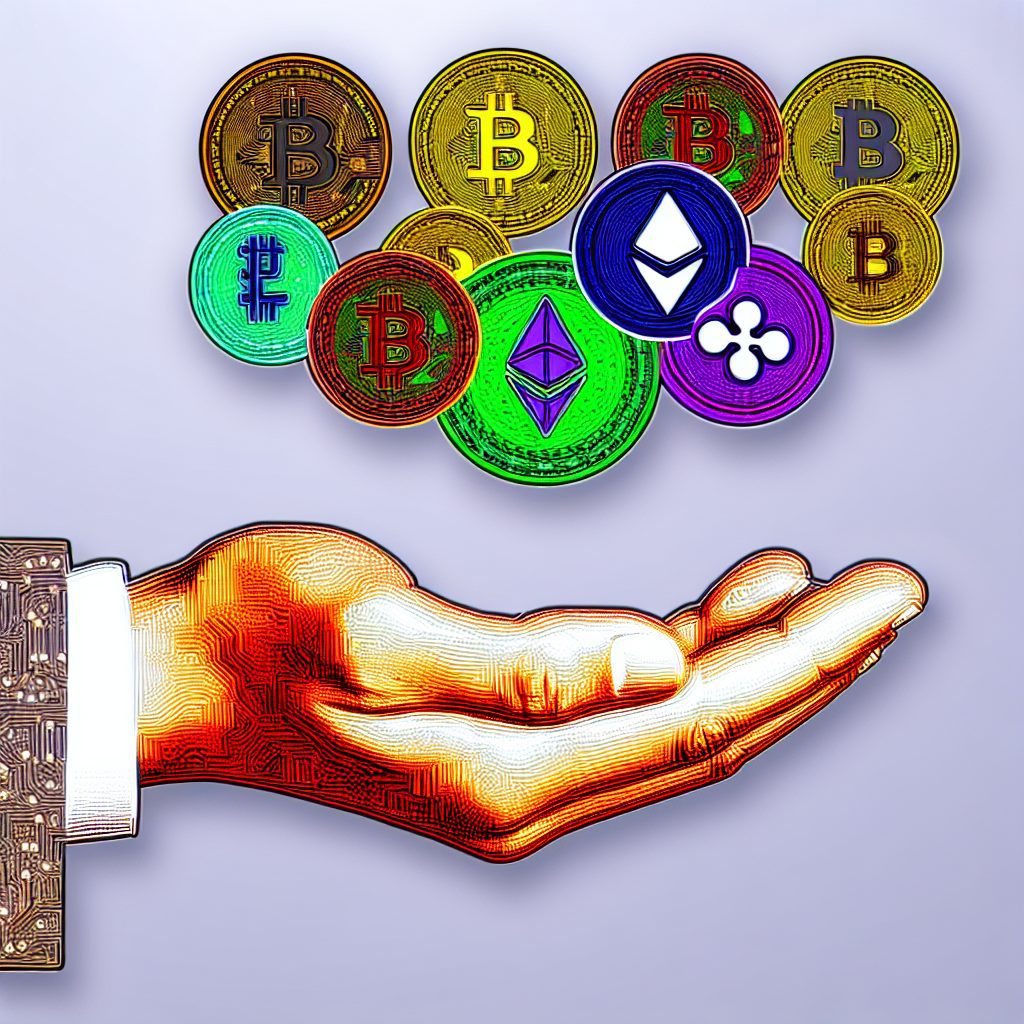
Buying crypto in your local currency allows you to invest without the need for conversion fees or additional steps. This guide will help you navigate the process effectively.
Why Buy Crypto with Local Currency?
Purchasing cryptocurrency with your local currency offers several advantages:
- Convenience: You can use familiar payment methods like bank transfers, credit cards, or even cash.
- Lower Fees: Avoid conversion fees associated with buying crypto in a foreign currency.
- Faster Transactions: Local currency transactions can be processed more quickly than international ones.
- Access to Local Exchanges: Many exchanges cater specifically to local markets, providing tailored services.
Steps to Buy Crypto in Local Currency
1. Choose a Reliable Cryptocurrency Exchange
The first step in buying crypto is selecting a reputable exchange that supports your local currency. Here are some popular exchanges that allow you to buy crypto with local currency:
- Coinbase: A user-friendly platform that supports multiple currencies and offers a variety of cryptocurrencies.
- Binance: Known for its extensive selection of cryptocurrencies and competitive fees.
- Kraken: Offers a wide range of fiat currencies and is known for its security features.
- Gemini: A regulated exchange based in the US, providing a secure environment for trading.
- Bitstamp: One of the oldest exchanges, known for its reliability and user-friendly interface.
When choosing an exchange, consider factors such as security, fees, supported currencies, and user experience. Always check for reviews and ratings to ensure the platform’s credibility.
2. Create an Account
Once you’ve selected an exchange, the next step is to create an account. This process typically involves:
- Providing Personal Information: You will need to enter your name, email address, and sometimes your phone number.
- Verifying Your Identity: Most exchanges require identity verification to comply with regulations. This may involve uploading a government-issued ID and proof of address.
- Setting Up Security Features: Enable two-factor authentication (2FA) to enhance your account’s security.
3. Deposit Local Currency
After your account is set up and verified, you can deposit your local currency. Most exchanges offer several deposit methods, including:
- Bank Transfers: A common method that usually has lower fees but may take a few days to process.
- Credit/Debit Cards: Instant deposits but may incur higher fees.
- Cash Deposits: Some exchanges allow cash deposits at partner locations.
Choose the method that best suits your needs, keeping in mind the associated fees and processing times.
4. Buy Cryptocurrency
With your local currency deposited, you can now purchase cryptocurrency. Follow these steps:
- Select the Cryptocurrency: Choose the cryptocurrency you wish to buy, such as Bitcoin (BTC), Ethereum (ETH), or others.
- Enter the Amount: Specify how much of the cryptocurrency you want to purchase.
- Review the Transaction: Check the fees and total cost before confirming the purchase.
- Complete the Purchase: Click the buy button to finalize the transaction.
5. Store Your Cryptocurrency Safely
After purchasing, it’s crucial to store your cryptocurrency securely. You have several options:
- Exchange Wallet: Convenient but less secure; suitable for short-term trading.
- Software Wallets: Applications that store your crypto on your device; more secure than exchange wallets.
- Hardware Wallets: Physical devices that store your crypto offline; the safest option for long-term storage.
Consider your investment strategy and choose a storage method that aligns with your needs.
Best Practices for Buying Crypto
To ensure a smooth buying experience, follow these best practices:
- Do Your Research: Understand the cryptocurrency market and the specific coins you are interested in.
- Start Small: If you’re new to crypto, consider starting with a small investment to minimize risk.
- Stay Informed: Keep up with market trends and news to make informed decisions.
- Use Secure Connections: Always use a secure internet connection when accessing your exchange account.
- Beware of Scams: Be cautious of offers that seem too good to be true and always verify the legitimacy of platforms.
Common Questions About Buying Crypto in Local Currency
What is the best cryptocurrency to buy with local currency?
The best cryptocurrency to buy depends on your investment goals and risk tolerance. Bitcoin (BTC) is often considered a safe bet due to its market dominance, while Ethereum (ETH) offers potential for growth due to its smart contract capabilities. Research various cryptocurrencies and consider diversifying your portfolio.
Are there any fees associated with buying crypto?
Yes, most exchanges charge fees for transactions, which can include trading fees, deposit fees, and withdrawal fees. Always review the fee structure of your chosen exchange before making a purchase.
Can I buy crypto anonymously?
While some platforms allow for anonymous purchases, most reputable exchanges require identity verification to comply with regulations. If anonymity is a priority, consider using decentralized exchanges (DEXs) or peer-to-peer platforms, but be aware of the associated risks.
How long does it take to buy crypto?
The time it takes to buy crypto can vary based on the payment method. Bank transfers may take several days, while credit card purchases are usually instant. Once your funds are available, buying crypto is typically a quick process.
What should I do if I encounter issues while buying crypto?
If you face any issues, contact the customer support of your chosen exchange. Most platforms have dedicated support teams to assist users with various problems, including transaction issues and account verification.
Conclusion
Buying cryptocurrency in your local currency is a straightforward process that opens up a world of investment opportunities. By following the steps outlined in this guide, you can navigate the buying process with confidence. Remember to choose a reliable exchange, secure your investments, and stay informed about market trends.
For more insights, news, and updates in the cryptocurrency space, visit Bitrabo. Follow us on X, Instagram, Threads, Facebook, and LinkedIn for the latest updates and alerts in the crypto world.
Disclaimer: This article is for informational purposes only and should not be considered financial advice. Always conduct your own research and consult with a financial advisor before making investment decisions.