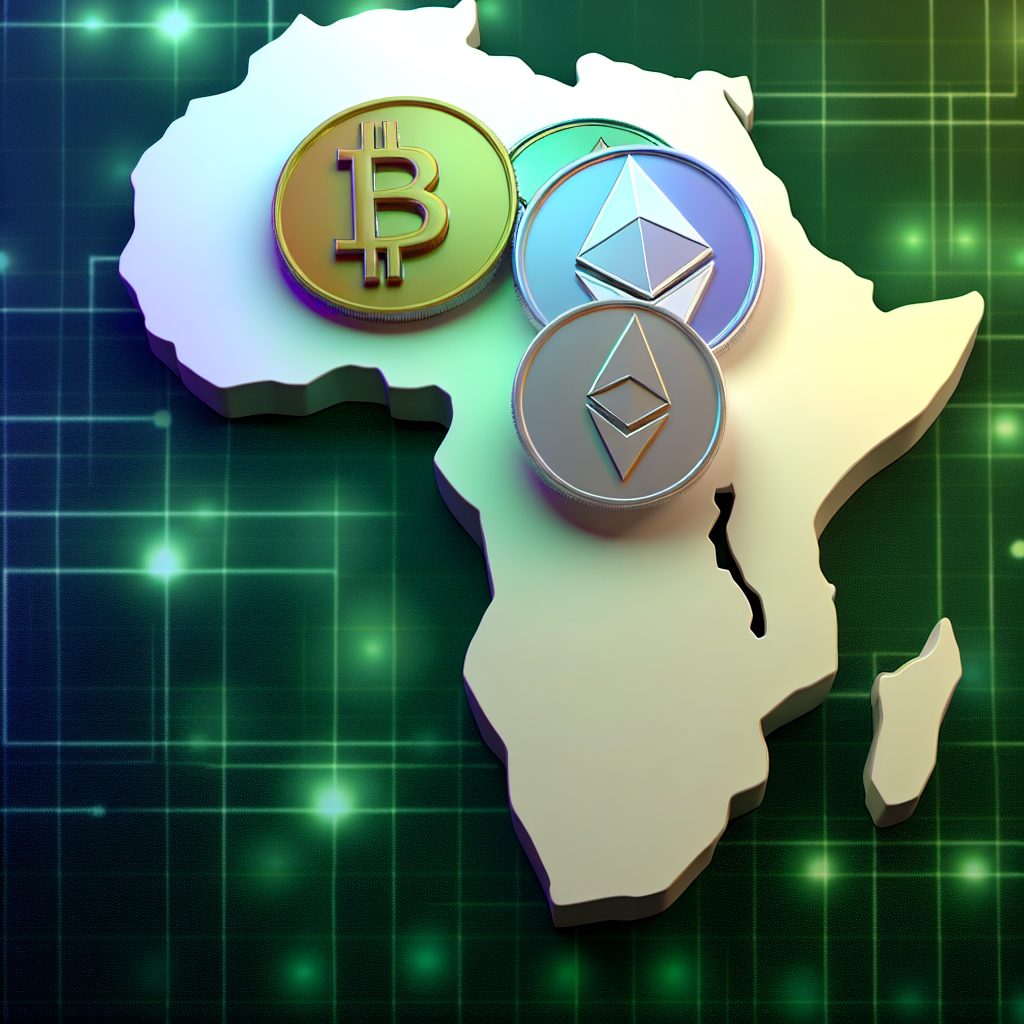
The cryptocurrency landscape in Africa is rapidly evolving, presenting unique opportunities and challenges. As more individuals and businesses recognize the potential of digital currencies, understanding the fundamentals of crypto becomes essential. This guide aims to provide a comprehensive overview of how to learn the basics of cryptocurrency in Africa, catering to both beginners and those looking to deepen their knowledge.
Understanding Cryptocurrency
Before diving into the learning process, it’s crucial to grasp what cryptocurrency is. At its core, cryptocurrency is a form of digital or virtual currency that uses cryptography for security. This makes it difficult to counterfeit or double-spend. The decentralized nature of cryptocurrencies, typically built on blockchain technology, allows for peer-to-peer transactions without the need for intermediaries like banks.
The Importance of Learning Crypto Basics
Learning the basics of cryptocurrency is vital for several reasons:
- Investment Opportunities: With the rise of digital currencies, understanding how to invest wisely can lead to significant financial gains.
- Financial Inclusion: Cryptocurrencies can provide access to financial services for unbanked populations in Africa.
- Technological Advancement: Knowledge of blockchain technology can open doors to various career opportunities in tech and finance.
- Security Awareness: Understanding how to protect your digital assets is crucial in a space often targeted by fraudsters.
Where to Start Learning Crypto Basics
1. Online Courses and Tutorials
Numerous platforms offer online courses tailored to beginners. Websites like Coursera, Udemy, and Khan Academy provide structured learning paths that cover everything from the basics of blockchain to advanced trading strategies. Look for courses that are updated regularly to ensure you’re learning the most current information.
2. YouTube Channels
YouTube is a treasure trove of information. Channels like Andreas M. Antonopoulos and DataDash offer insightful videos that break down complex topics into digestible content. Watching these videos can help reinforce your understanding of cryptocurrency concepts.
3. Books and E-books
Reading books written by industry experts can provide in-depth knowledge. Some recommended titles include:
- “Mastering Bitcoin” by Andreas M. Antonopoulos – A comprehensive guide to Bitcoin and blockchain technology.
- “The Basics of Bitcoins and Blockchains” by Antony Lewis – A beginner-friendly introduction to cryptocurrencies and blockchain.
- “Cryptoassets” by Chris Burniske and Jack Tatar – A guide to investing in cryptocurrencies and digital assets.
4. Local Meetups and Workshops
Participating in local meetups can provide hands-on experience and networking opportunities. Websites like Meetup.com often list cryptocurrency-related events in various African cities. Engaging with local communities can enhance your learning experience and provide insights into regional trends.
Utilizing Online Resources
1. Cryptocurrency News Websites
Staying updated with the latest news is crucial in the fast-paced world of cryptocurrency. Websites like CoinDesk and CoinTelegraph offer news, analysis, and educational resources that can help you stay informed about market trends and developments.
2. Forums and Discussion Groups
Engaging in forums such as Reddit’s CryptoCurrency or Bitcointalk can provide valuable insights and answers to your questions. These platforms allow you to interact with experienced traders and enthusiasts who can share their knowledge and experiences.
3. Social Media Platforms
Follow industry leaders and influencers on platforms like Twitter and LinkedIn. Accounts like Coinbase and Binance often share valuable insights and updates that can enhance your understanding of the crypto market.
Understanding Blockchain Technology
To fully grasp cryptocurrency, it’s essential to understand the underlying technology: blockchain. Blockchain is a distributed ledger technology that records transactions across many computers. This ensures that the recorded transactions cannot be altered retroactively, providing security and transparency.
Key Concepts of Blockchain
- Decentralization: Unlike traditional databases, blockchains are decentralized, meaning no single entity controls the entire network.
- Immutability: Once a transaction is recorded on the blockchain, it cannot be changed or deleted.
- Transparency: All transactions are visible to participants in the network, promoting trust and accountability.
Practical Steps to Get Started with Cryptocurrency
1. Choose a Cryptocurrency Wallet
A cryptocurrency wallet is essential for storing your digital assets securely. There are several types of wallets:
- Hot Wallets: These are connected to the internet and are convenient for daily transactions. Examples include mobile wallets like Trust Wallet and web wallets like Coinbase.
- Cold Wallets: These are offline wallets that provide enhanced security. Hardware wallets like Ledger and Trezor are popular choices.
2. Start with Small Investments
When beginning your investment journey, it’s wise to start small. This allows you to learn the ropes without risking significant amounts of money. Consider investing in well-established cryptocurrencies like Bitcoin (BTC) or Ethereum (ETH) before exploring altcoins.
3. Explore Different Trading Platforms
There are various platforms available for buying and trading cryptocurrencies. Some popular exchanges include:
- Binance: Known for its wide range of cryptocurrencies and low trading fees.
- Coinbase: A user-friendly platform ideal for beginners.
- Kraken: Offers advanced trading features for experienced users.
4. Stay Informed About Regulations
Understanding the regulatory landscape in your country is crucial. Different African nations have varying stances on cryptocurrency, from outright bans to supportive regulations. Stay updated on local laws to ensure compliance and avoid potential legal issues.
Common Challenges in Learning Crypto
While learning about cryptocurrency can be exciting, it also comes with challenges:
- Information Overload: The vast amount of information available can be overwhelming. Focus on reputable sources and take your time to absorb the material.
- Market Volatility: The crypto market is known for its price fluctuations. Understanding market dynamics is essential for making informed decisions.
- Security Risks: The risk of hacks and scams is prevalent in the crypto space. Always prioritize security measures to protect your assets.
Frequently Asked Questions (FAQs)
1. What is the best way to start learning about cryptocurrency?
The best way to start is by taking online courses, reading books, and engaging with local communities. Utilize various resources to build a solid foundation.
2. Are cryptocurrencies legal in Africa?
Cryptocurrency regulations vary by country in Africa. Some nations embrace it, while others impose restrictions. Always check local laws before investing.
3. How can I ensure the security of my cryptocurrency investments?
Use reputable wallets, enable two-factor authentication, and be cautious of phishing scams. Regularly update your security practices to stay safe.
4. What are the risks associated with investing in cryptocurrencies?
Risks include market volatility, regulatory changes, and security threats. It’s essential to conduct thorough research and invest only what you can afford to lose.
Conclusion
Learning the basics of cryptocurrency in Africa is an exciting journey filled with opportunities. By utilizing various resources, engaging with communities, and staying informed about market trends, you can build a solid foundation in the crypto space. Remember to approach your learning with curiosity and caution, and always prioritize security in your investments.
For more insights, news, and updates in the cryptocurrency world, visit Bitrabo. Follow us on social media for the latest alerts on airdrops, new listings, and price tracking: X, Instagram, Threads, Facebook, LinkedIn.
Disclaimer: This article is for informational purposes only and should not be considered financial advice. Always conduct your own research before making investment decisions.