As the cryptocurrency landscape continues to evolve, Bitcoin has emerged as a powerful tool for cross-border transactions, especially in Africa. The continent is witnessing a surge in Bitcoin adoption, driven by the need for financial inclusion, remittances, and investment opportunities. This guide will provide a comprehensive overview of how to send Bitcoin across African borders, covering the necessary steps, platforms, and considerations to ensure a smooth transaction.
Understanding Bitcoin and Its Importance in Africa
Bitcoin, the first decentralized cryptocurrency, operates on a peer-to-peer network, allowing users to send and receive funds without the need for intermediaries. In Africa, where traditional banking infrastructure is often lacking, Bitcoin offers a viable alternative for financial transactions.
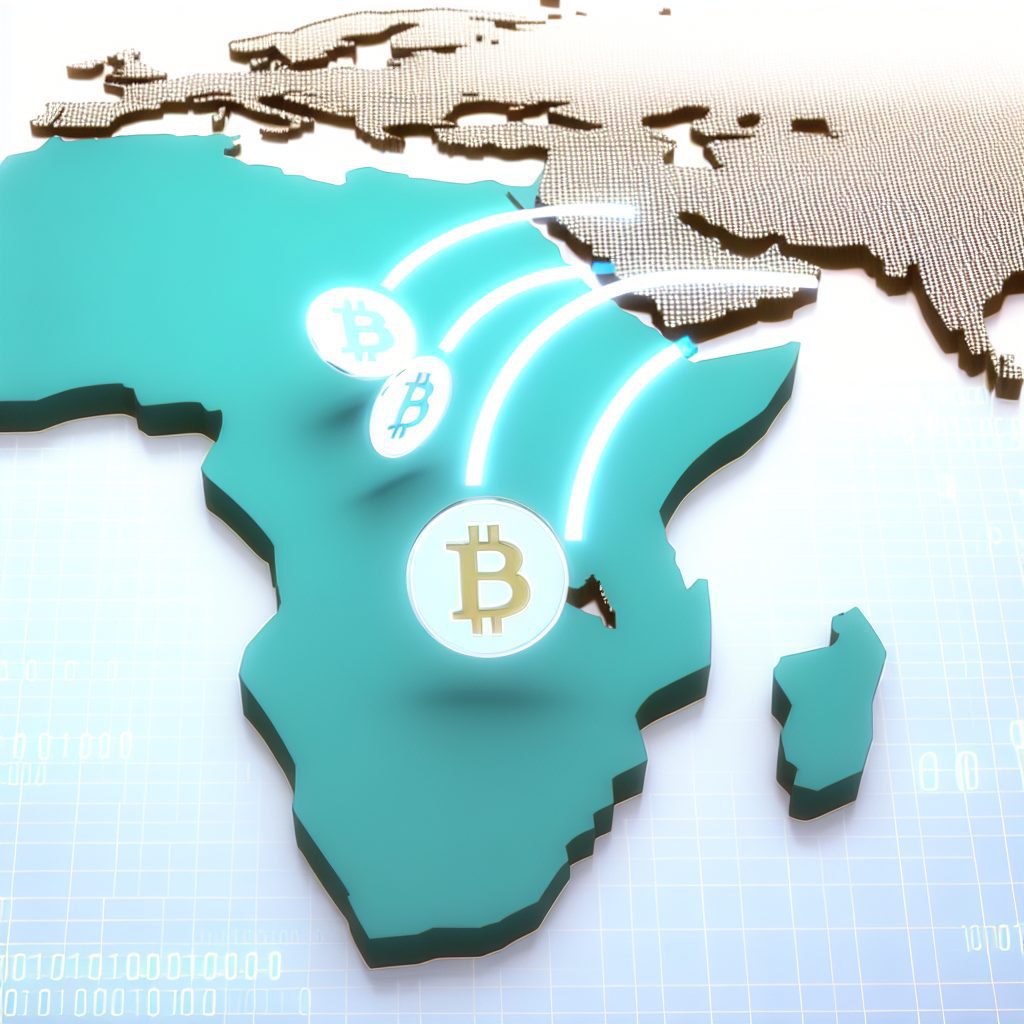
- Financial Inclusion: Many Africans remain unbanked, making Bitcoin an accessible option for financial services.
- Remittances: Sending money across borders can be costly; Bitcoin reduces these fees significantly.
- Investment Opportunities: Bitcoin provides a new avenue for investment, attracting both local and international investors.
Steps to Send Bitcoin Across African Borders
1. Choose a Reliable Wallet
The first step in sending Bitcoin is selecting a secure and user-friendly wallet. There are various types of wallets available:
- Hot Wallets: These are online wallets that are easy to access but may be more vulnerable to hacks.
- Cold Wallets: Offline wallets that provide enhanced security, ideal for storing large amounts of Bitcoin.
- Mobile Wallets: Convenient for everyday transactions, these wallets are accessible via smartphones.
Popular wallet options include Blockchain Wallet, Coinbase Wallet, and Exodus Wallet.
2. Purchase Bitcoin
Once you have a wallet, the next step is to acquire Bitcoin. You can purchase Bitcoin through various methods:
- Exchanges: Platforms like Binance and Luno allow users to buy Bitcoin using local currencies.
- P2P Platforms: Services like Paxful and LocalBitcoins enable users to buy Bitcoin directly from other individuals.
- Bitcoin ATMs: In some African countries, Bitcoin ATMs are available for direct purchases.
3. Initiate the Transfer
To send Bitcoin, follow these steps:
- Open Your Wallet: Access your wallet application.
- Enter Recipient’s Address: Input the Bitcoin address of the recipient. Ensure accuracy, as transactions are irreversible.
- Specify Amount: Enter the amount of Bitcoin you wish to send.
- Confirm Transaction: Review the details and confirm the transaction. You may need to pay a small transaction fee.
4. Track the Transaction
After sending Bitcoin, you can track the transaction using a blockchain explorer like Blockchain.com Explorer. This tool allows you to verify the status of your transaction in real-time.
Considerations When Sending Bitcoin Across Borders
1. Transaction Fees
Transaction fees can vary based on network congestion. It’s essential to check the current fees before sending Bitcoin. Higher fees can expedite the transaction, while lower fees may result in delays.
2. Exchange Rates
When sending Bitcoin to another country, be aware of the exchange rates. The value of Bitcoin can fluctuate significantly, impacting the amount received by the recipient.
3. Regulatory Environment
Each African country has its own regulations regarding cryptocurrency. Familiarize yourself with the legal landscape in both the sender’s and recipient’s countries to avoid potential issues.
4. Security Measures
Always prioritize security when handling Bitcoin. Use two-factor authentication (2FA) on your wallet, and never share your private keys. Be cautious of phishing scams and only use trusted platforms.
Popular Platforms for Sending Bitcoin in Africa
Several platforms facilitate Bitcoin transactions across African borders. Here are some of the most popular:
- Binance: A leading global exchange that supports multiple African currencies.
- Luno: A user-friendly platform tailored for African users, offering easy Bitcoin purchases and transfers.
- Paxful: A P2P marketplace that connects buyers and sellers, allowing for flexible payment options.
- BitPesa: A platform focused on remittances, enabling businesses to send payments across borders using Bitcoin.
FAQs About Sending Bitcoin Across African Borders
1. Is it legal to send Bitcoin across African borders?
Yes, in most African countries, sending Bitcoin is legal. However, regulations may vary, so it’s essential to check the specific laws in both the sender’s and recipient’s countries.
2. How long does it take for a Bitcoin transaction to be completed?
Bitcoin transactions can take anywhere from a few minutes to several hours, depending on network congestion and the transaction fee paid.
3. What are the risks of sending Bitcoin?
The primary risks include price volatility, potential scams, and regulatory issues. Always use secure wallets and trusted platforms to mitigate these risks.
4. Can I send small amounts of Bitcoin?
Yes, Bitcoin allows for microtransactions, meaning you can send very small amounts, even fractions of a Bitcoin.
5. What should I do if I send Bitcoin to the wrong address?
Unfortunately, Bitcoin transactions are irreversible. If you send Bitcoin to the wrong address, there is no way to recover it. Always double-check the recipient’s address before sending.
Conclusion
Sending Bitcoin across African borders is a straightforward process that can significantly enhance financial transactions on the continent. By choosing the right wallet, understanding transaction fees, and being aware of regulatory environments, users can navigate the complexities of cross-border Bitcoin transfers with ease. As Bitcoin continues to gain traction in Africa, it presents a unique opportunity for financial empowerment and inclusion.
For more insights and updates on cryptocurrency, visit Bitrabo, your trusted source for crypto news, airdrops, and new listings alerts. Follow us on X, Instagram, Threads, Facebook, and LinkedIn for the latest updates.
Disclaimer: This article is for informational purposes only and does not constitute financial advice. Always conduct your own research before making any investment decisions.