How to Trade Crypto During SA Blackouts
South Africa has faced numerous challenges with electricity supply, leading to frequent blackouts that can disrupt daily life and business operations. For cryptocurrency traders, these outages can pose unique challenges. However, with the right strategies and tools, you can continue trading effectively even during these power interruptions. This guide will provide you with essential tips and insights on how to navigate the crypto market during blackouts.
Understanding the Impact of Blackouts on Crypto Trading
Blackouts can significantly affect your ability to trade cryptocurrencies. Here are some key impacts:
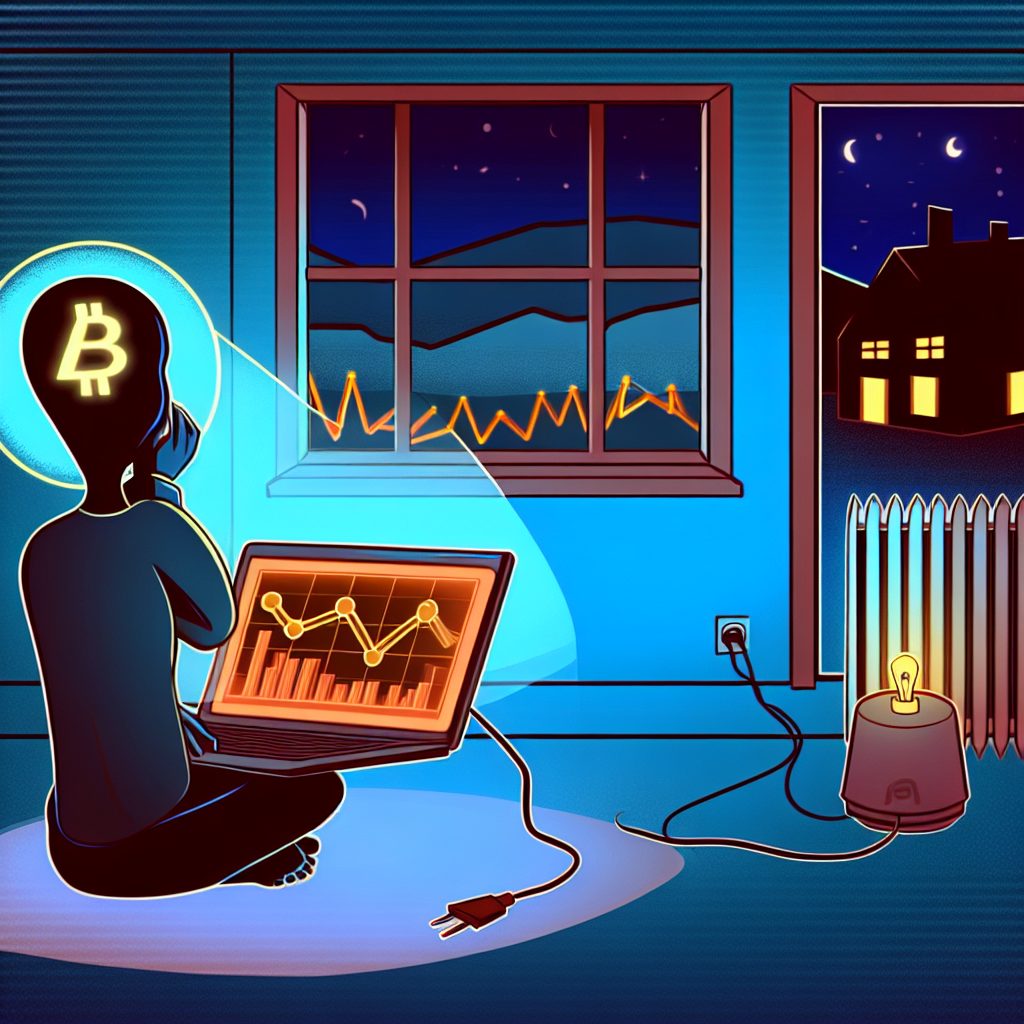
- Internet Connectivity: Power outages can disrupt your internet connection, making it difficult to access trading platforms.
- Device Functionality: Without power, your devices may not function, preventing you from executing trades.
- Market Volatility: Blackouts can lead to increased market volatility, as traders react to news and events in real-time.
Preparing for Blackouts: Essential Tools and Strategies
Preparation is key to successful trading during blackouts. Here are some strategies to consider:
1. Use Mobile Trading Apps
Mobile trading applications allow you to trade cryptocurrencies from your smartphone or tablet. Ensure you have these apps installed and set up before a blackout occurs. Popular apps include:
2. Utilize Offline Trading Options
Consider using offline trading methods such as peer-to-peer (P2P) trading platforms. These platforms allow you to trade directly with other users without the need for a centralized exchange. Some reliable P2P platforms include:
3. Set Up Alerts and Notifications
Stay informed about market movements by setting up alerts on your trading platform. This way, you can receive notifications about price changes, allowing you to make informed decisions even if you are not actively monitoring the market.
4. Invest in a Power Bank
A reliable power bank can keep your devices charged during blackouts. Ensure you have a high-capacity power bank that can charge your smartphone or laptop multiple times.
5. Use Decentralized Exchanges (DEX)
Decentralized exchanges operate on blockchain technology and do not rely on centralized servers. This means you can trade even if the main exchange is down. Some popular DEX options include:
Trading Strategies During Blackouts
When trading during blackouts, consider the following strategies to minimize risk and maximize potential gains:
1. Use Limit Orders
Limit orders allow you to set a specific price at which you want to buy or sell a cryptocurrency. This can be particularly useful during volatile market conditions, as it ensures you do not execute trades at unfavorable prices.
2. Diversify Your Portfolio
Diversification can help mitigate risks associated with market fluctuations. Consider holding a mix of cryptocurrencies to balance your portfolio. This way, if one asset underperforms, others may compensate for the loss.
3. Stay Updated with Market News
Even during blackouts, staying informed about market news is crucial. Follow reliable crypto news sources and social media channels to keep up with developments that may impact your trading decisions.
4. Implement Risk Management Techniques
Establish clear risk management strategies, such as setting stop-loss orders to limit potential losses. This is especially important during periods of high volatility.
Leveraging Technology for Trading During Blackouts
Technology can play a significant role in ensuring you can trade effectively during blackouts. Here are some tools to consider:
1. Trading Bots
Trading bots can automate your trading strategies, allowing you to execute trades even when you are not actively monitoring the market. Some popular trading bots include:
2. Cloud-Based Solutions
Utilize cloud-based trading platforms that allow you to access your trading account from any device with internet connectivity. This can be particularly useful if your primary device is unavailable due to power issues.
3. Backup Internet Solutions
Consider investing in a backup internet solution, such as a mobile hotspot or satellite internet. This can provide you with internet access even during local outages.
Common Challenges and Solutions
Trading during blackouts can present several challenges. Here are some common issues and potential solutions:
1. Limited Access to Information
During a blackout, you may have limited access to real-time information. To mitigate this, ensure you have pre-downloaded essential market data and news articles that you can refer to offline.
2. Increased Market Volatility
Blackouts can lead to sudden price swings. To navigate this, consider using technical analysis tools to identify potential support and resistance levels before a blackout occurs.
3. Emotional Trading Decisions
Trading under stress can lead to emotional decision-making. Establish a clear trading plan and stick to it, even during challenging times.
FAQs About Trading Crypto During Blackouts
1. Can I trade crypto without power?
Yes, you can trade crypto without power by using mobile trading apps, offline trading methods, and decentralized exchanges that do not rely on centralized servers.
2. What should I do if I miss a trading opportunity during a blackout?
If you miss a trading opportunity, assess the market conditions and determine if it is worth entering the trade at a later time. Always prioritize your risk management strategies.
3. How can I stay informed about market changes during a blackout?
Set up alerts on your trading platform and follow reliable crypto news sources on social media to stay updated on market changes.
4. Are there specific cryptocurrencies that perform better during blackouts?
There is no definitive answer, as market performance can vary based on numerous factors. However, stablecoins may provide a safer option during volatile periods.
Conclusion
Trading cryptocurrencies during blackouts in South Africa can be challenging, but with the right tools, strategies, and preparation, you can navigate these disruptions effectively. By utilizing mobile apps, decentralized exchanges, and automated trading solutions, you can continue to engage with the crypto market even when the power goes out. Remember to stay informed, manage your risks, and adapt your strategies as needed.
For more insights and updates on the cryptocurrency market, consider joining the Bitrabo community. Stay connected with us for news, airdrops, new listings alerts, signals, price tracking, and more. Follow us on X, Instagram, Threads, Facebook, and LinkedIn.
Disclaimer: The information provided in this article is for educational purposes only and should not be considered financial advice. Always conduct your own research before making investment decisions.