As the cryptocurrency landscape continues to expand, understanding the various types of wallets available is crucial for anyone looking to engage with digital assets. Wallets serve as the gateway to managing cryptocurrencies, and choosing the right one can significantly impact your security and ease of use. This guide will delve into the different types of crypto wallets, their features, advantages, and disadvantages, helping you make informed decisions.
What is a Cryptocurrency Wallet?
A cryptocurrency wallet is a digital tool that allows users to store, send, and receive cryptocurrencies. Unlike traditional wallets that hold physical currency, crypto wallets store the public and private keys needed to access your digital assets on the blockchain. The wallet itself does not store the cryptocurrency; instead, it interacts with the blockchain to facilitate transactions.
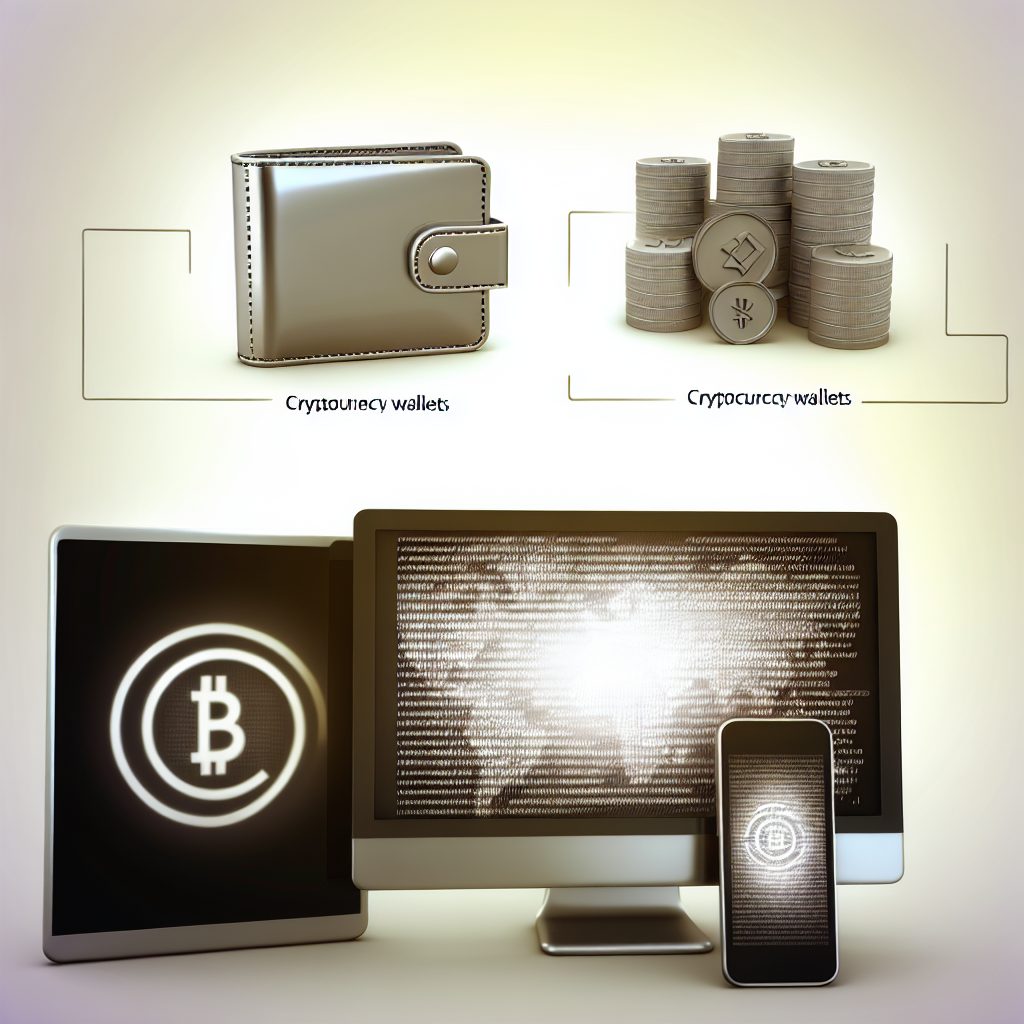
Types of Cryptocurrency Wallets
There are several types of cryptocurrency wallets, each with its unique features and security measures. Understanding these types will help you choose the best option for your needs.
1. Hot Wallets
Hot wallets are connected to the internet, making them convenient for frequent transactions. They are ideal for users who actively trade or use cryptocurrencies regularly.
- Web Wallets: Accessible through web browsers, these wallets are easy to use and require no software installation. However, they are vulnerable to hacking.
- Mobile Wallets: These wallets are applications installed on smartphones, providing easy access to your crypto on the go. They often include features like QR code scanning for quick transactions.
- Desktop Wallets: Software installed on a personal computer, desktop wallets offer more security than web wallets but are still susceptible to malware and hacking.
Advantages of Hot Wallets:
- Convenience for daily transactions.
- Easy to set up and use.
- Quick access to funds.
Disadvantages of Hot Wallets:
- Higher risk of hacking and theft.
- Dependent on internet connectivity.
2. Cold Wallets
Cold wallets are offline storage solutions that provide enhanced security for your cryptocurrencies. They are ideal for long-term storage and for users who prioritize security over convenience.
- Hardware Wallets: Physical devices that store your private keys offline. They are considered one of the safest options for storing cryptocurrencies. Popular examples include Ledger and Trezor.
- Paper Wallets: A physical printout of your public and private keys. While they are immune to online hacking, they can be easily lost or damaged.
Advantages of Cold Wallets:
- Enhanced security against online threats.
- Ideal for long-term storage of large amounts of cryptocurrency.
Disadvantages of Cold Wallets:
- Less convenient for frequent transactions.
- Risk of physical damage or loss.
3. Custodial Wallets
Custodial wallets are managed by third-party services, such as exchanges or wallet providers. Users do not have direct control over their private keys, which are held by the service provider.
Advantages of Custodial Wallets:
- User-friendly and easy to set up.
- Often include additional features like trading and staking.
Disadvantages of Custodial Wallets:
- Less control over your funds.
- Vulnerable to hacks and service outages.
4. Non-Custodial Wallets
Non-custodial wallets allow users to maintain full control over their private keys. This type of wallet is often preferred by those who prioritize security and privacy.
Advantages of Non-Custodial Wallets:
- Full control over your funds.
- Enhanced privacy and security.
Disadvantages of Non-Custodial Wallets:
- More complex to set up and use.
- Risk of losing access if private keys are lost.
Choosing the Right Wallet for Your Needs
When selecting a cryptocurrency wallet, consider the following factors:
- Security: Evaluate the security features of the wallet, including two-factor authentication and encryption.
- Convenience: Determine how often you will be using the wallet and choose one that fits your transaction frequency.
- Control: Decide whether you want to maintain control over your private keys or prefer the convenience of a custodial service.
- Supported Cryptocurrencies: Ensure the wallet supports the cryptocurrencies you plan to store.
Best Practices for Wallet Security
Regardless of the wallet type you choose, following best practices for security is essential:
- Use Strong Passwords: Create complex passwords and change them regularly.
- Enable Two-Factor Authentication: Add an extra layer of security to your wallet.
- Backup Your Wallet: Regularly back up your wallet and store the backup in a secure location.
- Keep Software Updated: Ensure your wallet software is always up to date to protect against vulnerabilities.
Frequently Asked Questions (FAQs)
What is the safest type of cryptocurrency wallet?
The safest type of cryptocurrency wallet is a cold wallet, particularly hardware wallets, as they store your private keys offline, making them less vulnerable to hacking.
Can I use multiple wallets for different cryptocurrencies?
Yes, many users opt to use multiple wallets to manage different cryptocurrencies, especially if they want to separate their long-term holdings from their trading assets.
What happens if I lose my private key?
If you lose your private key, you will lose access to your cryptocurrency. It is crucial to back up your keys and store them securely.
Are custodial wallets safe?
Custodial wallets can be safe, but they come with risks, as you do not control your private keys. Choose reputable providers and enable all available security features.
Conclusion
Understanding the different types of cryptocurrency wallets is essential for anyone looking to navigate the crypto space effectively. Whether you prioritize security, convenience, or control, there is a wallet type that suits your needs. Always remember to follow best practices for security to protect your digital assets. For more insights and updates on cryptocurrency, visit Bitrabo, your trusted source for crypto news, airdrops, and new listings alerts. Stay connected with us on X, Instagram, Threads, Facebook, and LinkedIn.
Disclaimer: This article is for informational purposes only and should not be considered financial advice. Always conduct your own research before making investment decisions.