The integration of cryptocurrency into daily life has become increasingly feasible as more businesses and services accept digital currencies. This guide will provide a comprehensive overview of how to effectively use crypto for everyday spending, covering various methods, platforms, and practical tips to make the most of your digital assets.
Understanding Cryptocurrency
Before diving into the practical aspects of using cryptocurrency for everyday purchases, it’s essential to understand what cryptocurrency is. Cryptocurrencies are decentralized digital currencies that utilize blockchain technology to secure transactions and control the creation of new units. Bitcoin, Ethereum, and Litecoin are among the most well-known cryptocurrencies, but thousands of others exist, each with unique features and use cases.
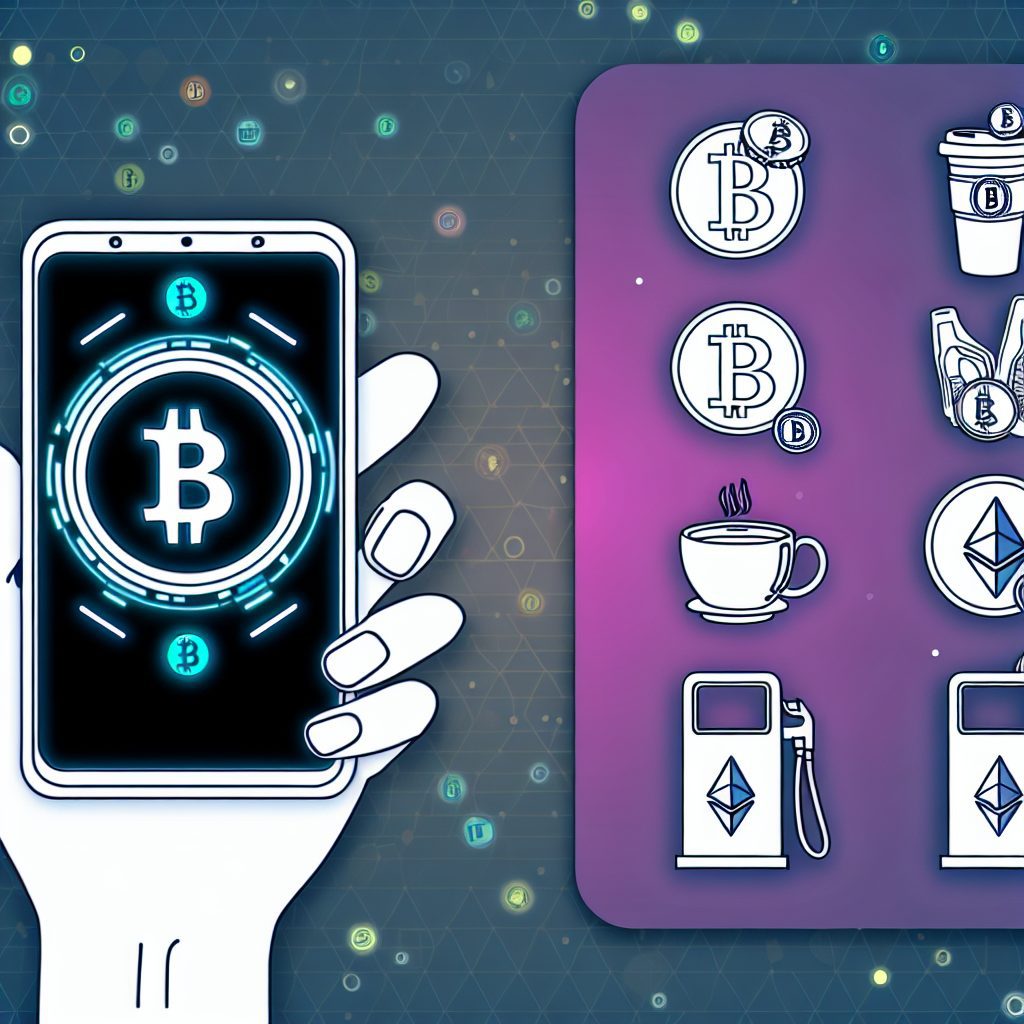
Why Use Cryptocurrency for Everyday Spending?
There are several compelling reasons to consider using cryptocurrency for everyday transactions:
- Lower Transaction Fees: Traditional payment methods often incur high fees, especially for international transactions. Cryptocurrencies typically have lower fees, making them a cost-effective option.
- Speed: Cryptocurrency transactions can be processed quickly, often within minutes, regardless of geographical location.
- Privacy: Many cryptocurrencies offer enhanced privacy features, allowing users to make transactions without revealing personal information.
- Investment Potential: Using crypto for purchases can help you avoid selling your assets, allowing them to appreciate over time.
How to Get Started with Crypto Spending
To start using cryptocurrency for everyday spending, follow these steps:
1. Choose Your Cryptocurrency
Select a cryptocurrency that suits your needs. Bitcoin (BTC) is widely accepted, but other options like Ethereum (ETH) and stablecoins like USDC or USDT can also be practical for spending.
2. Set Up a Digital Wallet
A digital wallet is essential for storing and managing your cryptocurrencies. There are several types of wallets:
- Hot Wallets: These are connected to the internet and are convenient for everyday transactions. Examples include mobile wallets like Trust Wallet and web wallets like Coinbase.
- Cold Wallets: These are offline storage options, such as hardware wallets (e.g., Ledger, Trezor), providing enhanced security for long-term storage.
Choose a wallet that balances convenience and security based on your spending habits.
3. Buy Cryptocurrency
Once you have a wallet, you can purchase cryptocurrency through various platforms:
- Exchanges: Platforms like Binance, Kraken, and Coinbase allow you to buy crypto using fiat currency.
- P2P Platforms: Services like Paxful and LocalBitcoins (note: LocalBitcoins has shut down) enable users to buy crypto directly from others.
Ensure you understand the fees and security measures of the platform you choose.
Where to Spend Cryptocurrency
As cryptocurrency adoption grows, many businesses now accept digital currencies. Here are some popular categories where you can spend crypto:
1. Online Retailers
Many online retailers accept cryptocurrency as a payment method. Some notable examples include:
- Overstock: This online retailer offers a wide range of products and accepts Bitcoin.
- Newegg: A popular electronics retailer that accepts Bitcoin for various tech products.
- Shopify Stores: Many merchants using Shopify accept crypto through integrated payment gateways.
2. Travel and Accommodation
Traveling with cryptocurrency is becoming easier. Companies like Expedia and Travala allow users to book flights and accommodations using digital currencies.
3. Food and Beverage
Several restaurants and cafes now accept cryptocurrency. Look for local establishments that advertise crypto acceptance or use apps like BitPay to find nearby options.
4. Gift Cards
If a merchant doesn’t accept cryptocurrency directly, you can purchase gift cards using crypto. Platforms like Bitrefill and Gyft allow you to buy gift cards for popular retailers using Bitcoin and other cryptocurrencies.
Using Payment Processors
Payment processors play a crucial role in facilitating cryptocurrency transactions. Here are some popular options:
- BitPay: This service allows businesses to accept Bitcoin and Bitcoin Cash, converting them into local currency if desired.
- CoinGate: A versatile payment processor that supports multiple cryptocurrencies and offers various integration options for merchants.
- CoinPayments: This platform supports a wide range of cryptocurrencies and provides tools for merchants to accept crypto payments easily.
Security Considerations
While using cryptocurrency for everyday spending can be convenient, it’s essential to prioritize security. Here are some tips:
- Enable Two-Factor Authentication: Always enable 2FA on your wallets and exchange accounts to add an extra layer of security.
- Keep Your Private Keys Safe: Your private keys are crucial for accessing your funds. Store them securely and never share them with anyone.
- Be Wary of Scams: Always verify the legitimacy of merchants and platforms before making transactions.
Tax Implications of Using Cryptocurrency
Using cryptocurrency for purchases can have tax implications, as many jurisdictions treat crypto as property. This means that spending crypto may trigger capital gains taxes. Here are some key points to consider:
- Record Keeping: Maintain detailed records of your transactions, including the date, amount, and value of the cryptocurrency at the time of purchase.
- Consult a Tax Professional: Given the complexities of cryptocurrency taxation, it’s advisable to consult a tax professional familiar with crypto regulations in your jurisdiction.
Future Trends in Crypto Spending
The future of cryptocurrency in everyday spending looks promising. Here are some trends to watch:
- Increased Merchant Adoption: As more businesses recognize the benefits of accepting cryptocurrency, the number of merchants willing to accept digital currencies will likely grow.
- Integration with Traditional Finance: Financial institutions are increasingly exploring ways to integrate cryptocurrency into their services, making it easier for consumers to use crypto in everyday transactions.
- Development of Stablecoins: Stablecoins, which are pegged to traditional currencies, may become more popular for everyday spending due to their reduced volatility.
FAQs
Can I use cryptocurrency for everyday purchases?
Yes, many businesses and online retailers accept cryptocurrency as a payment method, making it possible to use digital currencies for everyday spending.
What are the best cryptocurrencies for spending?
Bitcoin (BTC) is the most widely accepted, but stablecoins like USDC and USDT are also popular for everyday transactions due to their stability.
How do I find businesses that accept cryptocurrency?
You can use payment processor websites, crypto directories, or apps like BitPay to locate businesses that accept cryptocurrency in your area.
Are there any tax implications for spending cryptocurrency?
Yes, spending cryptocurrency may trigger capital gains taxes, as many jurisdictions treat crypto as property. It’s essential to keep detailed records and consult a tax professional.
Conclusion
Using cryptocurrency for everyday spending is becoming increasingly practical and beneficial. With a growing number of merchants accepting digital currencies and the development of user-friendly payment solutions, consumers can enjoy the advantages of lower fees, faster transactions, and enhanced privacy. As you navigate the world of crypto spending, remember to prioritize security and stay informed about tax implications. For the latest news, airdrops, and updates in the crypto space, visit Bitrabo and follow us on social media: X, Instagram, Threads, Facebook, LinkedIn.
Disclaimer: This article is for informational purposes only and should not be considered financial advice. Always conduct your own research and consult with a financial advisor before making investment decisions.