The potential for Algeria to embrace cryptocurrency is a topic of significant interest among investors, tech enthusiasts, and policymakers alike. As the global cryptocurrency landscape continues to evolve, the implications of Algeria’s possible shift towards a more open stance on digital currencies could be profound. This article delves into the potential outcomes, challenges, and opportunities that may arise if Algeria decides to open its doors to cryptocurrency.
Understanding Algeria’s Current Stance on Cryptocurrency
Algeria has historically maintained a cautious approach towards cryptocurrency. The country’s government has imposed strict regulations, including a ban on the use of cryptocurrencies for transactions. This stance has been primarily driven by concerns over financial stability, money laundering, and the potential for fraud.
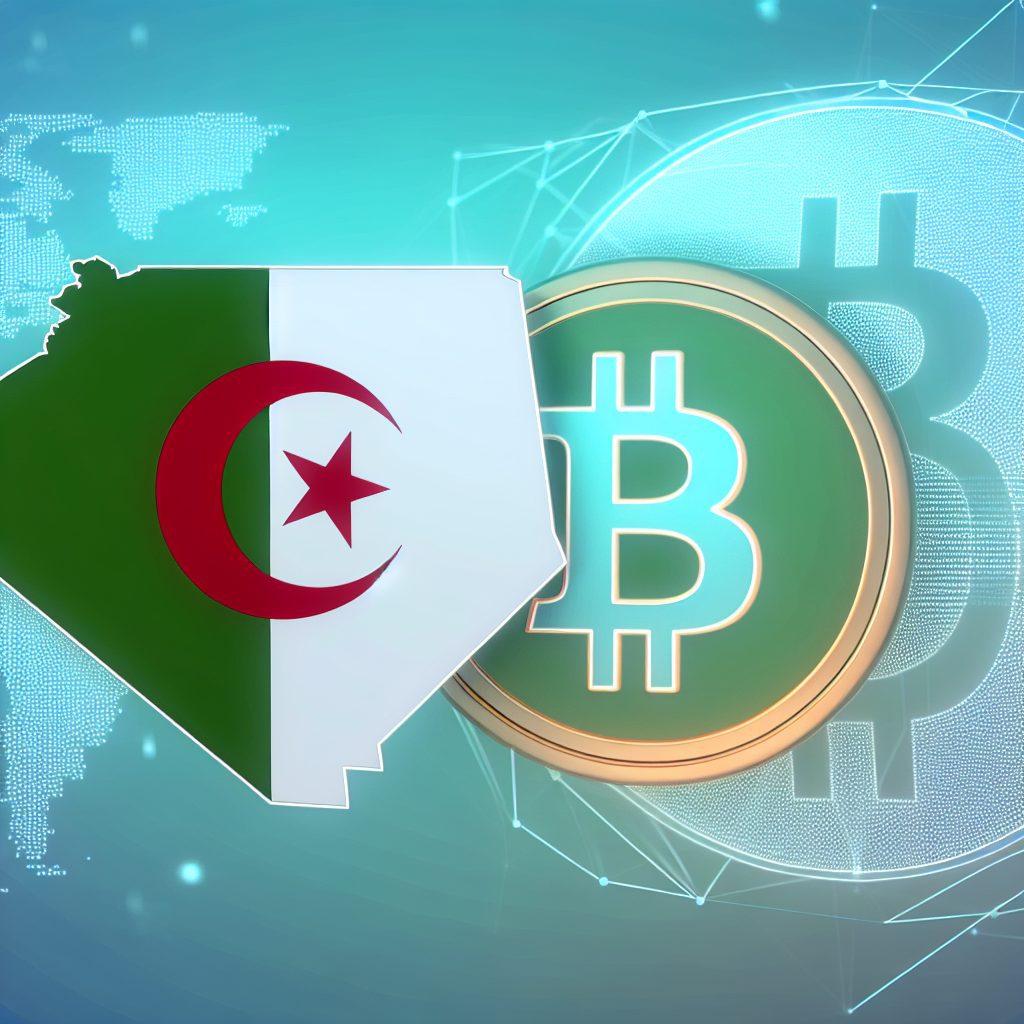
However, the global trend towards digital currencies is hard to ignore. Countries around the world are beginning to recognize the benefits of blockchain technology and cryptocurrencies, leading to a reevaluation of their policies. If Algeria were to change its position, it would mark a significant shift in the North African region.
The Global Cryptocurrency Landscape
Before exploring the potential outcomes for Algeria, it’s essential to understand the broader context of the cryptocurrency market. As of 2025, the cryptocurrency market has seen exponential growth, with thousands of cryptocurrencies available and a market capitalization exceeding $2 trillion. Major players like Bitcoin, Ethereum, and newer entrants have reshaped the financial landscape.
Countries such as El Salvador have adopted Bitcoin as legal tender, while others are exploring Central Bank Digital Currencies (CBDCs) to modernize their financial systems. This global movement towards digital currencies presents both opportunities and challenges for Algeria.
Potential Benefits of Opening Up to Cryptocurrency
If Algeria were to open its doors to cryptocurrency, several potential benefits could emerge:
- Economic Growth: Embracing cryptocurrency could stimulate economic activity by attracting foreign investment and fostering innovation in the tech sector.
- Financial Inclusion: Cryptocurrencies can provide access to financial services for unbanked populations, promoting greater financial inclusion.
- Job Creation: The growth of the cryptocurrency industry could lead to job creation in various sectors, including technology, finance, and regulatory compliance.
- Tax Revenue: A regulated cryptocurrency market could generate tax revenue for the government, which could be reinvested in public services.
Challenges to Overcome
While the benefits are enticing, several challenges must be addressed before Algeria can fully embrace cryptocurrency:
- Regulatory Framework: Establishing a clear and comprehensive regulatory framework is crucial to ensure consumer protection and prevent illicit activities.
- Public Awareness: Educating the public about cryptocurrencies and their benefits is essential to foster acceptance and understanding.
- Infrastructure Development: Developing the necessary technological infrastructure to support cryptocurrency transactions is vital for a successful rollout.
- International Relations: Navigating international regulations and relationships with other countries that have adopted cryptocurrencies will be important.
What Could a Regulatory Framework Look Like?
A robust regulatory framework is essential for the successful integration of cryptocurrency into Algeria’s economy. Here are some key components that could be included:
- Licensing Requirements: Establishing licensing requirements for cryptocurrency exchanges and service providers to ensure compliance with local laws.
- Consumer Protection: Implementing measures to protect consumers from fraud and scams, including clear guidelines on how to report suspicious activities.
- Taxation Policies: Developing clear taxation policies for cryptocurrency transactions to ensure that the government can benefit from this emerging market.
- Anti-Money Laundering (AML) and Know Your Customer (KYC) Regulations: Enforcing AML and KYC regulations to prevent illicit activities and ensure transparency in transactions.
Impact on the Local Economy
The introduction of cryptocurrency could have a transformative impact on Algeria’s economy. Here are some potential effects:
- Increased Investment: A favorable regulatory environment could attract both local and foreign investors, leading to increased capital inflow.
- Innovation in Financial Services: The rise of cryptocurrencies could spur innovation in financial services, leading to the development of new products and services.
- Boost to the Tech Sector: The demand for blockchain technology and cryptocurrency-related services could lead to growth in the tech sector, creating new job opportunities.
International Collaboration and Partnerships
For Algeria to successfully navigate the cryptocurrency landscape, international collaboration will be essential. Partnering with countries that have successfully integrated cryptocurrencies can provide valuable insights and best practices. Additionally, engaging with international organizations focused on blockchain technology can help Algeria stay updated on global trends and developments.
Case Studies: Countries That Have Embraced Cryptocurrency
Examining the experiences of other countries can provide valuable lessons for Algeria. Here are a few notable examples:
El Salvador
In 2021, El Salvador became the first country to adopt Bitcoin as legal tender. This bold move aimed to increase financial inclusion and attract foreign investment. While the initial rollout faced challenges, the long-term effects are still being evaluated.
Switzerland
Switzerland has established itself as a global hub for cryptocurrency and blockchain technology. The country’s favorable regulatory environment has attracted numerous crypto startups, contributing to its economic growth.
Singapore
Singapore has implemented a comprehensive regulatory framework for cryptocurrencies, fostering innovation while ensuring consumer protection. The country has become a leading destination for crypto businesses and investors.
Public Sentiment and Adoption
Public sentiment towards cryptocurrency in Algeria will play a crucial role in its adoption. Conducting surveys and educational campaigns can help gauge public interest and address concerns. Engaging with local communities and influencers can also foster a positive perception of cryptocurrencies.
Future Trends in Cryptocurrency
As Algeria considers opening up to cryptocurrency, it’s essential to keep an eye on future trends that may influence its decision:
- Decentralized Finance (DeFi): The rise of DeFi platforms could revolutionize traditional financial systems, offering new opportunities for investment and lending.
- Central Bank Digital Currencies (CBDCs): Many countries are exploring CBDCs as a way to modernize their financial systems. Algeria may consider this option as part of its strategy.
- Environmental Concerns: The environmental impact of cryptocurrency mining is becoming a significant concern. Algeria may need to address these issues as it develops its regulatory framework.
FAQs
What is cryptocurrency?
Cryptocurrency is a digital or virtual currency that uses cryptography for security. It operates on decentralized networks based on blockchain technology.
Why is Algeria considering opening up to cryptocurrency?
Algeria may consider opening up to cryptocurrency to stimulate economic growth, promote financial inclusion, and attract foreign investment.
What are the risks associated with cryptocurrency?
Risks include market volatility, regulatory uncertainty, and the potential for fraud and scams. A robust regulatory framework can help mitigate these risks.
How can Algeria ensure consumer protection in cryptocurrency?
By implementing clear regulations, consumer protection measures, and educational campaigns, Algeria can help safeguard its citizens in the cryptocurrency space.
Conclusion
The potential for Algeria to open up to cryptocurrency presents a unique opportunity for economic growth, innovation, and financial inclusion. However, careful consideration of regulatory frameworks, public sentiment, and international collaboration will be essential for success. As the global cryptocurrency landscape continues to evolve, Algeria’s decisions will not only impact its economy but could also influence the broader North African region.
For the latest updates on cryptocurrency news, airdrops, and market trends, visit Bitrabo. Follow us on X, Instagram, Threads, Facebook, and LinkedIn for more insights and updates.
Disclaimer: This article is for informational purposes only and does not constitute financial advice. Always conduct your own research before making investment decisions.