In the realm of economic trends, Bitcoin is often seen as a unique asset that reacts to various global events. Recent discussions have turned toward how geopolitical tensions, such as conflicts involving Iran, might influence the cryptocurrency market.
The Potential for Bitcoin to Rally
A notable viewpoint has been articulated regarding how escalating tensions could lead to an increase in Bitcoin’s value. If the U.S. engages in a prolonged military presence in Iran, the financial implications might catalyze a shift in monetary policies. Such a situation could lead to easier access to capital, ultimately benefiting Bitcoin and other digital assets.
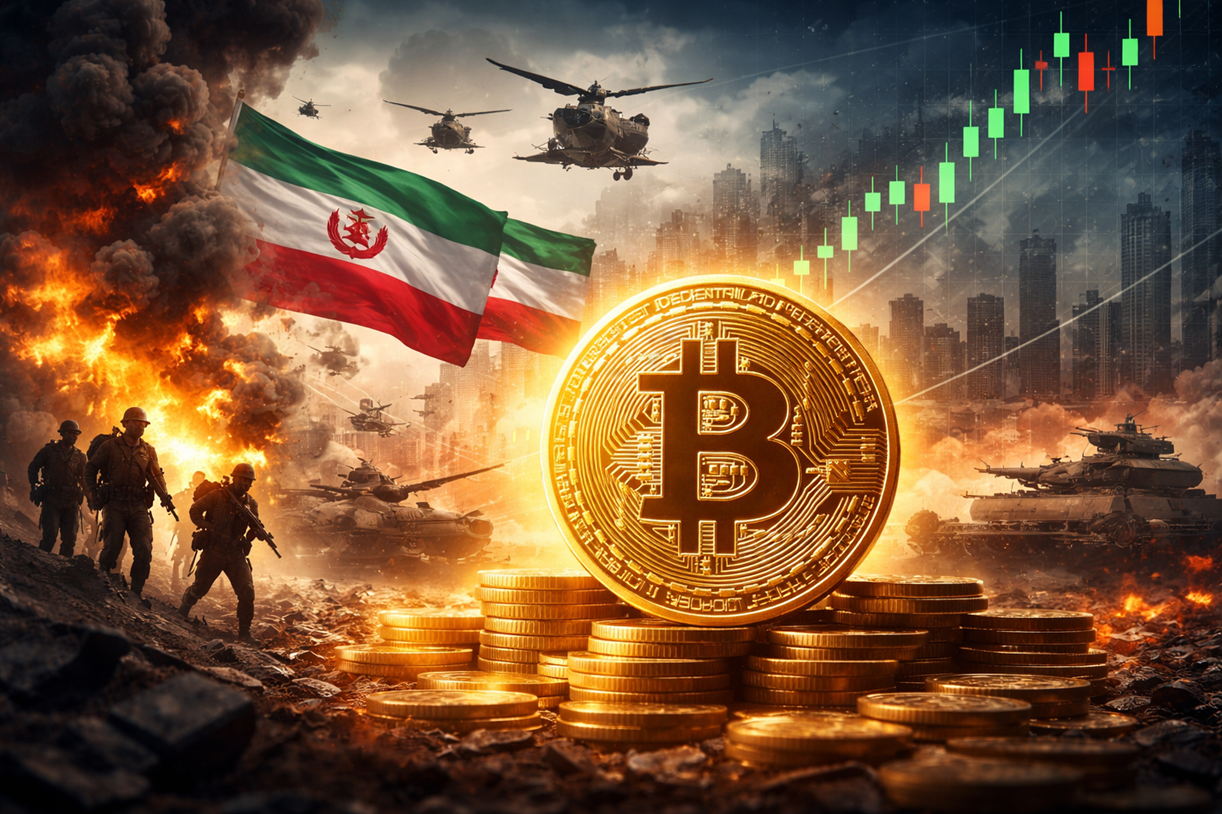
This perspective hinges on historical patterns, drawing parallels from previous U.S. military actions in the Middle East and their subsequent monetary responses. History suggests that major conflicts tend to coincide with shifts towards looser monetary policies, as governments adapt to the economic pressures that arise.
For example, past conflicts have frequently prompted the Federal Reserve to reevaluate interest rates to mitigate economic fallout. As uncertainties loom from military escalations, policymakers often signal intentions to support the economy through reduced rates or increased liquidity. This approach arguably creates a favorable environment for Bitcoin’s growth.
Historical insights reveal how monetary policy has shifted in response to crises. In times of uncertainty, such as after significant conflicts, the Fed has often opted to lower rates, which can increase the attractiveness of alternative assets like cryptocurrencies. The rationale is straightforward: when traditional markets are volatile, investors often turn to Bitcoin as a hedge against instability.
Furthermore, Bitcoin’s limited supply makes it an appealing asset during periods of inflation or financial distress. In contrast to fiat currencies that can be printed in abundance, Bitcoin’s protocol restricts its supply to ensure scarcity. This characteristic appeals to investors seeking a stable store of value amidst ongoing conflicts.
What makes the current situation particularly intriguing is the unpredictability of how geopolitical developments may unfold. As the U.S. navigates its strategy concerning Iran, the timing and extent of its military engagement will be critical factors that influence market sentiment and policies surrounding digital currencies.
Investors may want to take a cautious approach, awaiting clearer signals from monetary authorities before making significant investments in Bitcoin or altcoins. Monitoring the Fed’s actions in response to geopolitical tensions will provide greater insight into potential market movements.
At the moment, Bitcoin is trading at approximately $66,218, with many investors holding their positions while closely observing any developments related to U.S.-Iran relations and subsequent economic outcomes.