As diplomatic talks progress regarding the tensions in the eastern Mediterranean, new threats are emerging in the maritime sector linked to digital currency scams. The evolving situation in the region, marked by a potential easing of hostilities, has also become a breeding ground for illicit activities that target vulnerable shipping companies.
The maritime security firm MARISKS has issued alerts concerning deceptive communications aimed at shipping operators with stranded vessels. These messages promise “secure routes” through crucial waterways, but require payments in cryptocurrency to facilitate what are actually fraudulent agreements.
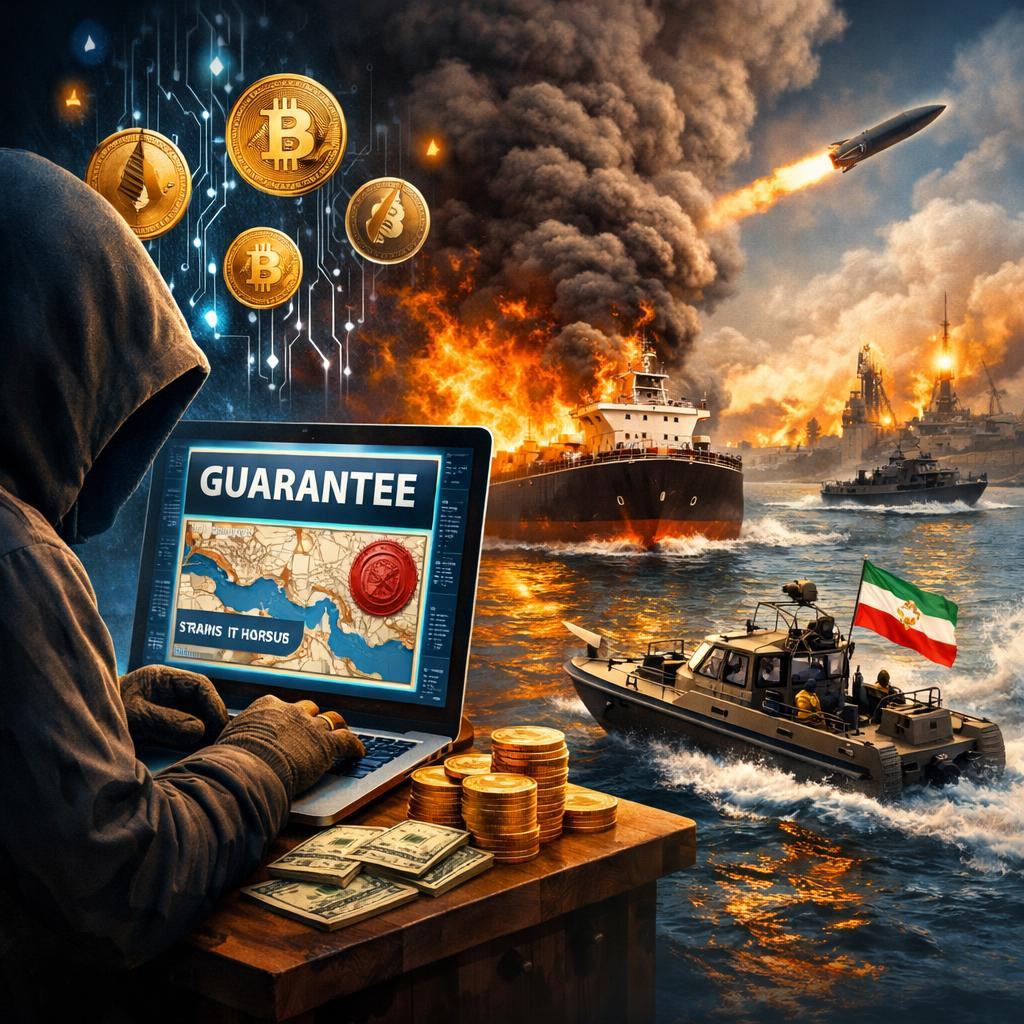
Threats in the Waters: Ceasefire and Cybercrime
Concurrently, Iranian authorities have floated the idea of implementing a legitimate toll system for maritime transit, as they control strategic waterways. This situation has led to a rise in scams capitalizing on the complexities of these discussions.
According to reports, these scams cunningly imitate legitimate negotiations but ultimately lead victims to make illegitimate financial transfers instead of legal ones. The perpetrators of these scams pressure their targets into quick decisions, exploiting the current chaos in maritime logistics.
Recent warnings highlight that scammers are demanding fees paid in popular cryptocurrencies such as Bitcoin (BTC) and Tether (USDT), falsely claiming that these payments will allow vessels to safely traverse the waters.
These malicious communications are alarmingly specific. They provide structured demands that aim to rush operators into engaging with these scams, bypassing established protocols for financial transactions.
On the legitimate side, Iranian officials have indicated payment structures that could begin at nominal fees per barrel. These amounts can quickly escalate, leading to payments reaching millions of dollars depending on the scale of the operations involved in these shipments.
Hamid Hosseini, a spokesperson for Iran’s Oil, Gas and Petrochemical Products Exporters’ Union, commented on the urgent nature of the proposed payment system, indicating that vessels would receive minimal time to finalize payments in Bitcoin, all to navigate the complexities of sanctions avoidance.
Escalating Tensions and Maritime Hazards
The rise in scams coincides with ongoing geopolitical strains. Despite the US maintaining its embargo on Iranian commerce, Iran has reciprocated with its own restrictions in key maritime areas.
The Strait of Hormuz is indispensable, as noted by various organizations, responsible for a significant portion of the globe’s oil and gas transportation. The strategic importance of this waterway creates pressure on shipping companies, prompting them to respond to any communication that seems to offer resolution to their logistical challenges.
Recent reports indicated that during attempts to navigate these perilous waters, several vessels allegedly encountered hostile actions from Iranian ships. This raises concerns about the safety of maritime operations amidst increasing threats.
MARISKS has suggested that some vessels may have inadvertently fallen victim to these crypto scams, implying that financial losses could escalate into more serious safety issues at sea.
As of recent market fluctuations, Bitcoin has lessened from its peak values, entering a consolidation phase between $75,000 and $78,500. The current struggle for the cryptocurrency reflects larger economic uncertainties, maintaining investor caution across various sectors.
In summary, the convergence of geopolitical struggles and technological fraud principles presents a multidimensional challenge in the maritime industry, requiring heightened vigilance and response strategies from shipping operators.