The Minister of Economics in Latvia, Viktors Valainis, is reaffirming his prediction that the country will soon allocate a segment of its national assets to Bitcoin. During his appearance on the UN:BLOCK podcast, he noted that establishing “a national strategic Bitcoin reserve is just a matter of time,” emphasizing that Latvia, given its small, export-focused economy, could secure significant advantages by acting early.
“We need to explore how to widen our approach, demonstrating that we are genuinely receptive to international businesses and that the local ecosystem is supportive of cryptocurrency,” Valainis stated during the podcast. “There are many individuals here who are knowledgeable about it… We have a remarkably robust ecosystem that, perhaps, hasn’t been sufficiently recognized, both in Latvia and on the global stage.”
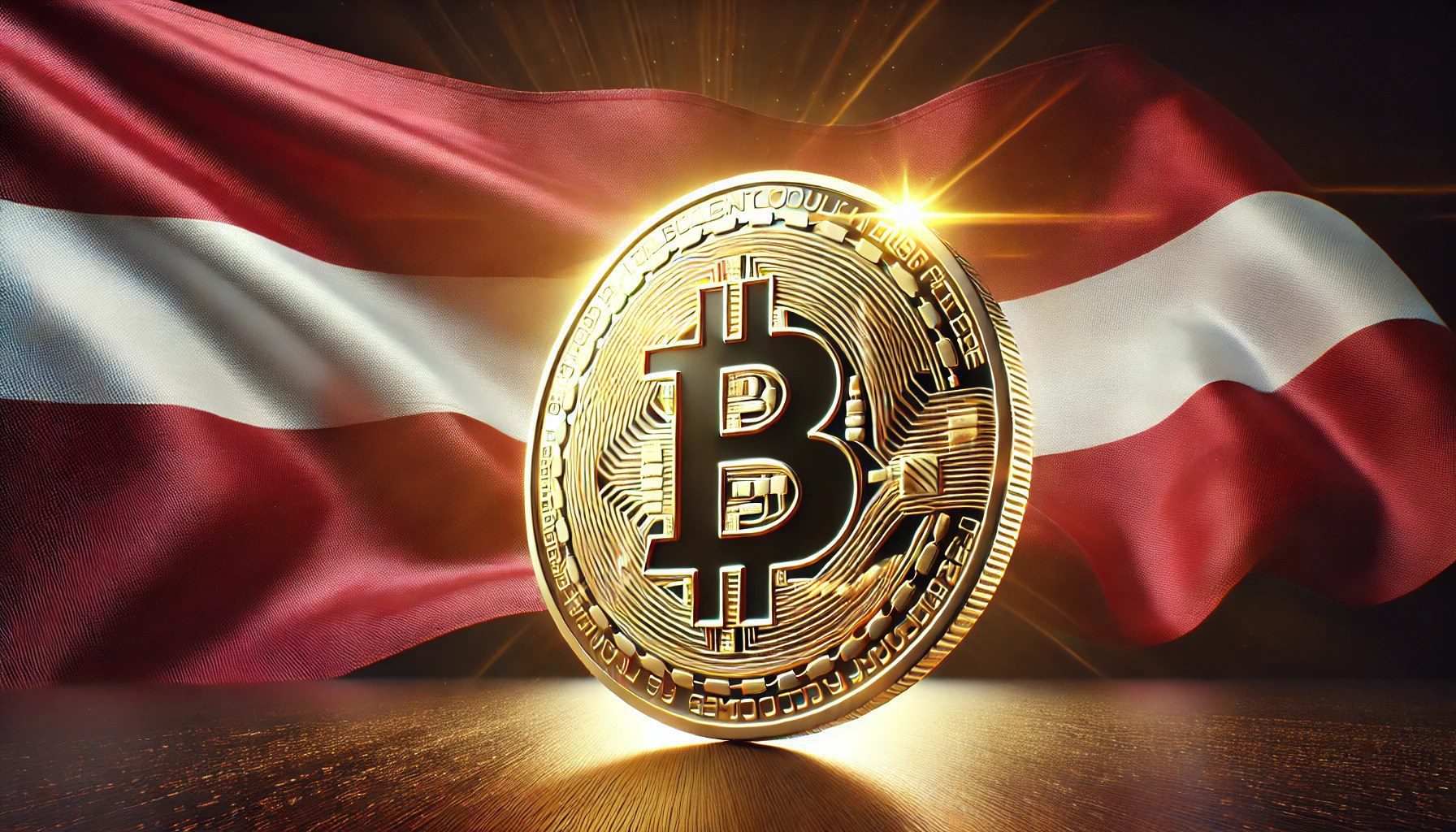
Is Latvia Preparing to Form a Strategic Bitcoin Reserve?
There is already a grassroots push for this initiative. A citizen petition on the Manabalss.lv platform is urging the government to establish a Bitcoin reserve, contending that those who act early stand to gain in both financial and reputational terms. Valainis supports this initiative: “When I was initially approached for my thoughts, I was quite favorable. I don’t perceive any major risks. It’s a means to symbolically express faith in this sector, in the future of all things Web3, and to actively participate.”
He even referenced the United States — “I think it’s something that has already taken place—Trump initiated that” — to illustrate that large governments are formalizing their cryptocurrency holdings, though specifics from Washington have not yet been disclosed.
Valainis views the openness to cryptocurrencies as a tactical advantage. “If we permitted tax payment in crypto, I believe we would instantly attract global attention… The truth is, we have nothing to lose. Any move is a step forward.” Riga has already removed the 3 percent withholding tax on crypto-asset sales by non-residents, in a three-year experiment commencing on 1 January 2025, a change the minister advocated for to attract exchanges and custodial services.
This policy aligns with the Crypto-Asset Service Law, effective from 30 June 2024, which integrates national regulations with the EU’s Markets in Crypto-assets Regulation (MiCA) and appoints Latvijas Banka as the licensing authority. Current providers are allowed to operate without a full MiCA license until 30 June 2025 — a timeframe Valainis deemed as “an opportunity we can expand further” for multinational companies.
“We have a range of regulatory and security frameworks in place that would allow us to respond swiftly should any issues arise,” he mentioned. “People still drive cars despite the risk of accidents. The advantages significantly overshadow the risks.”
Valainis linked a potential Bitcoin investment to Latvia’s second-pillar pension framework, which totaled €8.78 billion at the close of 2024, with less than 10% invested internally. “That’s a substantial amount… The majority is already invested outside Latvia—in different economies.” He argued that diverting even a small portion into alternative assets like Bitcoin would align the fund with “major US pension funds” that are already entering the crypto market.
In fact, the State of Wisconsin Investment Board increased its Bitcoin holdings to approximately $321 million this quarter, while the Michigan State Retirement System allocated $6.6 million to a Bitcoin ETF last summer. Valainis views these developments as endorsement: “They recognize there are no other viable paths. It needs to be done. And the sooner it’s done… the more significant the benefits will be.”
Latvia’s interest in cryptocurrency is supported by a growing startup landscape. Last November, two prominent print-on-demand companies in the country merged, forming a combined “mega-unicorn” valued at over $1 billion. Additionally, Riga-based trading firm Gravity Team claims to handle around 1% of the global spot-crypto market volume.
“As more crypto enterprises emerge, the level of expertise will increase, resulting in a more skilled workforce,” Valainis noted, mentioning that the 2025 state budget allocates “several hundred thousand euros” for grants to support the ecosystem.
Valainis emphasizes Latvia’s capability to experiment: “We aren’t bound to protect something traditional—like the Swiss banking system with its longstanding customs… We have the chance to be pioneers—to go ahead and implement these ideas.”
The decision by the Saeima to transform these ideas into actual budget allocations for 2026—or even sooner if the petition secures 10,000 signatures, prompting a debate—will establish how quickly Latvia joins the exclusive group of nations considering Bitcoin as a strategic reserve asset.
As of the latest update, Bitcoin was trading at approximately $102,419, reflecting a decrease of around 1.3% for the day.