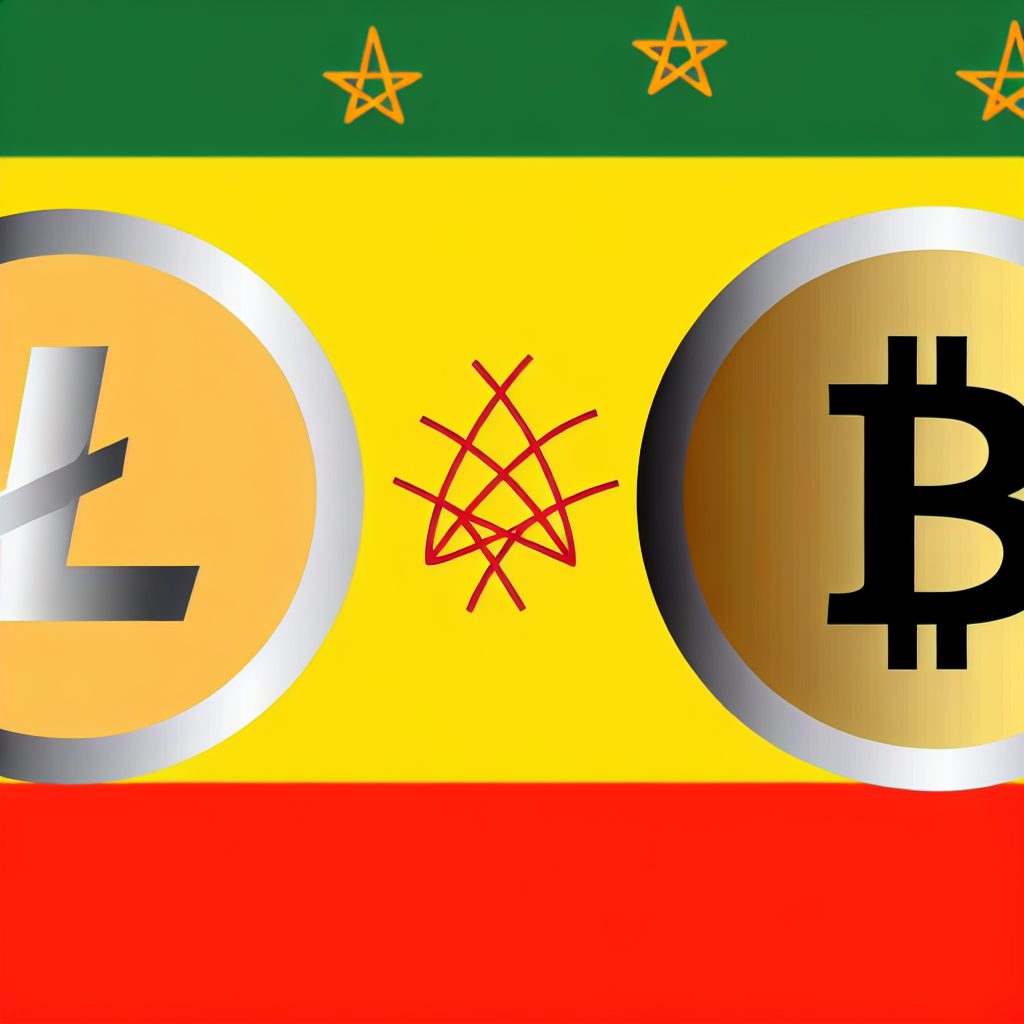
Litecoin vs Bitcoin: Ethiopia’s Choice
The cryptocurrency landscape is evolving rapidly, and nations around the world are beginning to explore the potential of digital currencies. In Ethiopia, a country with a burgeoning interest in blockchain technology and cryptocurrencies, the debate between Litecoin and Bitcoin is gaining traction. This article delves into the key differences between these two cryptocurrencies, their respective advantages, and how Ethiopia might choose between them.
Understanding Bitcoin and Litecoin
Before diving into the comparison, it’s essential to understand what Bitcoin and Litecoin are, their origins, and their fundamental characteristics.
What is Bitcoin?
Launched in 2009 by an anonymous entity known as Satoshi Nakamoto, Bitcoin is the first cryptocurrency and remains the most recognized and valuable. It operates on a decentralized network using blockchain technology, which ensures transparency and security. Bitcoin is often referred to as digital gold due to its limited supply of 21 million coins, making it a deflationary asset.
What is Litecoin?
Created in 2011 by Charlie Lee, Litecoin is often considered the silver to Bitcoin’s gold. It was designed to provide faster transaction times and lower fees compared to Bitcoin. Litecoin uses a different hashing algorithm called Scrypt, which allows for quicker block generation times (2.5 minutes compared to Bitcoin’s 10 minutes). This makes Litecoin a more efficient option for everyday transactions.
Key Differences Between Litecoin and Bitcoin
While both cryptocurrencies share similarities, they also have distinct differences that can influence Ethiopia’s choice. Here are some of the critical factors to consider:
- Transaction Speed: Litecoin transactions are confirmed faster than Bitcoin transactions, making it more suitable for everyday use.
- Transaction Fees: Litecoin generally has lower transaction fees compared to Bitcoin, which can be a significant factor for users in Ethiopia.
- Supply Limit: Bitcoin has a capped supply of 21 million coins, while Litecoin has a limit of 84 million coins, which may affect their long-term value.
- Market Adoption: Bitcoin has a more extensive user base and higher market capitalization, which can influence its stability and acceptance.
- Mining Algorithm: Bitcoin uses SHA-256, while Litecoin uses Scrypt, which can affect the mining process and accessibility for miners.
The Current State of Cryptocurrency in Ethiopia
Ethiopia is witnessing a growing interest in cryptocurrencies, driven by the need for financial inclusion and economic empowerment. The Ethiopian government has been exploring blockchain technology to enhance various sectors, including agriculture and finance. However, the regulatory environment remains uncertain, which can impact the adoption of cryptocurrencies.
In recent years, the Ethiopian government has launched initiatives to digitize its economy, including the introduction of a national digital currency. This move indicates a willingness to embrace digital finance, but it also raises questions about how cryptocurrencies like Bitcoin and Litecoin will fit into this framework.
Advantages of Bitcoin for Ethiopia
Bitcoin offers several advantages that could appeal to Ethiopian users:
- Global Recognition: As the first and most recognized cryptocurrency, Bitcoin has a significant advantage in terms of trust and acceptance.
- Investment Potential: Bitcoin has shown substantial price appreciation over the years, making it an attractive investment option for individuals and institutions.
- Robust Security: Bitcoin’s extensive network and established security protocols make it a reliable choice for users concerned about safety.
Advantages of Litecoin for Ethiopia
On the other hand, Litecoin presents its own set of advantages:
- Lower Transaction Costs: For everyday transactions, Litecoin’s lower fees can be a significant benefit for users in Ethiopia.
- Faster Transactions: The quicker confirmation times can enhance user experience, especially for those using cryptocurrency for daily purchases.
- Growing Adoption: While not as widely recognized as Bitcoin, Litecoin has a dedicated community and increasing acceptance among merchants.
Challenges Facing Bitcoin and Litecoin in Ethiopia
Despite their advantages, both Bitcoin and Litecoin face challenges in Ethiopia:
- Regulatory Uncertainty: The lack of clear regulations can deter potential users and investors from engaging with cryptocurrencies.
- Internet Accessibility: Limited internet access in rural areas can hinder the adoption of digital currencies.
- Education and Awareness: Many Ethiopians are still unfamiliar with cryptocurrencies, which can slow down adoption rates.
Potential Use Cases for Bitcoin and Litecoin in Ethiopia
Both Bitcoin and Litecoin can serve various use cases in Ethiopia, including:
- Remittances: Cryptocurrencies can provide a cost-effective solution for remittances, allowing Ethiopians abroad to send money home without high fees.
- Microtransactions: Litecoin’s lower fees make it suitable for microtransactions, which can benefit local businesses and entrepreneurs.
- Investment Opportunities: Both cryptocurrencies can serve as investment vehicles for individuals looking to diversify their portfolios.
Community Perspectives on Litecoin vs. Bitcoin
The Ethiopian crypto community is diverse, with varying opinions on which cryptocurrency to adopt. Some users advocate for Bitcoin due to its established reputation and potential for long-term growth. Others prefer Litecoin for its practicality and lower transaction costs.
Community discussions often revolve around the need for education and awareness about both cryptocurrencies. Many believe that understanding the differences and potential applications of Bitcoin and Litecoin is crucial for making informed decisions.
Future Outlook for Cryptocurrency in Ethiopia
The future of cryptocurrency in Ethiopia looks promising, with increasing interest from both the government and the public. As the country continues to explore blockchain technology, the adoption of cryptocurrencies like Bitcoin and Litecoin may become more prevalent.
Factors that could influence the future landscape include:
- Regulatory Developments: Clear regulations could foster a more conducive environment for cryptocurrency adoption.
- Technological Advancements: Improvements in internet access and mobile technology could enhance the usability of cryptocurrencies.
- Community Engagement: Initiatives aimed at educating the public about cryptocurrencies can drive adoption and usage.
FAQs
1. Which is better for everyday transactions, Bitcoin or Litecoin?
Litecoin is generally considered better for everyday transactions due to its faster confirmation times and lower fees.
2. Can I use Bitcoin and Litecoin for remittances in Ethiopia?
Yes, both Bitcoin and Litecoin can be used for remittances, providing a cost-effective alternative to traditional methods.
3. What are the risks associated with investing in Bitcoin and Litecoin?
Investing in cryptocurrencies carries risks, including price volatility, regulatory uncertainty, and security concerns. It’s essential to conduct thorough research before investing.
4. How can I buy Bitcoin or Litecoin in Ethiopia?
You can purchase Bitcoin or Litecoin through various exchanges, peer-to-peer platforms, or local cryptocurrency services. Ensure you choose a reputable platform.
5. Is it safe to store Bitcoin and Litecoin in a wallet?
Storing cryptocurrencies in a secure wallet is generally safe, but it’s crucial to choose a reputable wallet provider and follow best security practices.
Conclusion
The choice between Litecoin and Bitcoin in Ethiopia is not straightforward. Each cryptocurrency offers unique advantages and challenges that can influence user preferences. As the Ethiopian government continues to explore blockchain technology and digital currencies, the future of cryptocurrency in the country looks promising.
Ultimately, the decision will depend on various factors, including transaction needs, investment goals, and regulatory developments. Engaging with the local crypto community and staying informed about market trends will be essential for making the best choice.
For more insights into the cryptocurrency world, including news, airdrops, and price tracking, consider joining the Bitrabo community. Follow Bitrabo on X, Instagram, Threads, Facebook, and LinkedIn.
Disclaimer: This article is for informational purposes only and should not be considered financial advice. Always conduct your research before investing in cryptocurrencies.