Recently, Monero experienced a remarkable chain reorganization, highlighted by the elimination of 18 consecutive blocks, which recalibrated a significant span of its ledger history—approximately 36 minutes. This incident not only affected the ledger but also invalidated around 118 transactions that had previously been confirmed. A range of independent observers tracked these changes over the course of the event, noting the rollback that extended from block heights 3,499,659 to 3,499,676. The intriguing nature of this occurrence showcases the challenges faced by established proof-of-work networks.
Unprecedented 18 Block Reorganization in Monero
“This latest disruption in Monero signals a substantial concern. The recent reorg demonstrates the potential vulnerabilities within the network,” stated a leading crypto analyst after the event caught widespread attention across various platforms. The message emphasized the necessity for service providers accepting XMR to be cautious and reconsider their confirmation protocols during this unsteady period.
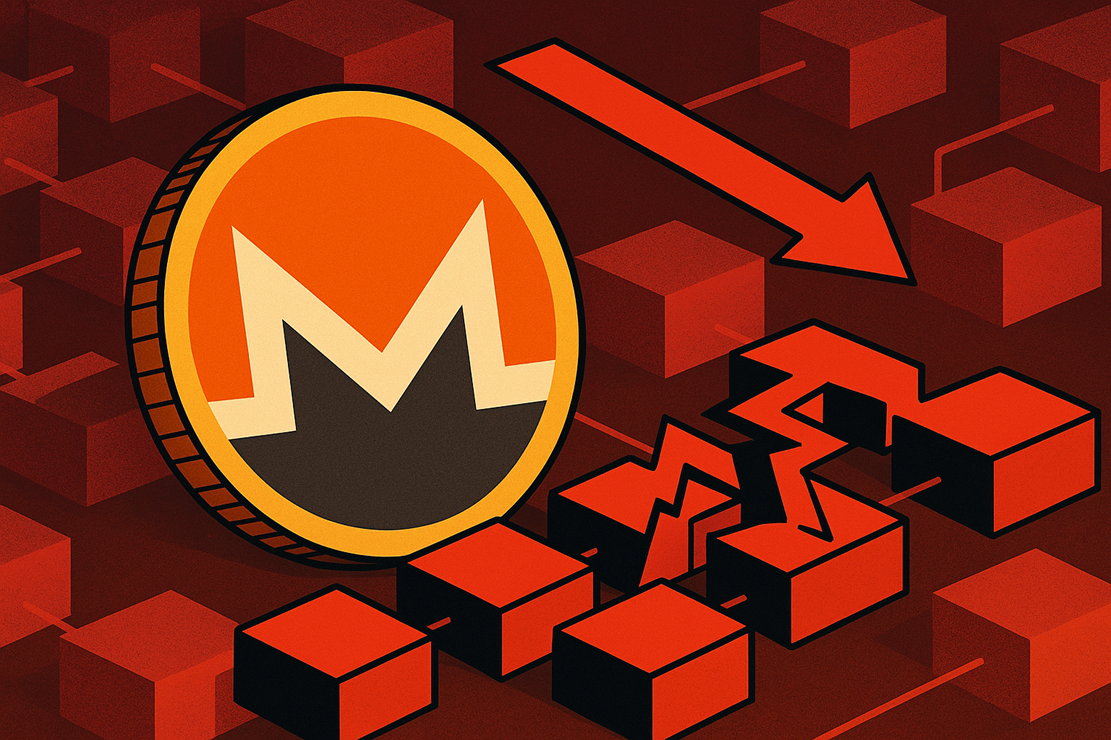
Just a month prior, an AI-focused initiative named Qubic claimed to have seized majority control of Monero’s mining hashrate, originating concerns that coincided with a brief six-block reorganization. This movement resulted in temporary banking halts for some exchanges. Experts advised that early events alone did not confirm a sustained 51% predominance, but ongoing centralization of mining power raised serious alarms about the potential for deeper algorithmic disruptions—something that has now come to fruition with the recent event.
Responses from the community ranged from concern to pragmatism. Notable figures, such as blockchain security pioneer Yu Xian, voiced their discontent. He cautioned the Monero community via social media, emphasizing that without proactive measures against chain reorganizations, Monero may continually face threats that could compromise its integrity and security.
#Monero remains resilient regardless of circumstances.pic.twitter.com/qd7wPVoDOu
— A Leading Crypto Analyst (@crypto_expert) September 14, 2025
On a technical front, a chain reorganization occurs when two valid histories compete, and the network ultimately gravitates towards the version that has accumulated the most proof-of-work, discarding any unique transactions from the other. Interestingly, Monero’s configuration—with its two-minute target block time and flexible block sizing—aims to ensure smooth transaction throughput while maintaining critical privacy features like ring signatures and stealth addresses.
However, when a mining operation with substantial hashpower actively extends a hidden chain and subsequently releases it, it can potentially lead to significant disruptions, as witnessed in this case. The depth of the reorganization exceeded the 10-confirmation standard that wallets and exchanges typically rely on, raising concerns among users.
This sequence of incidents has rekindled discussions within the Monero community regarding potential defenses against such vulnerabilities. Proposed solutions vary, including “rolling checkpoints” that could fix recent blocks to minimize reorg depth, and incorporating finality layers similar to Dash’s ChainLocks, which safeguard against future risks. Simultaneously, alternatives like “detective mining” strategies and merge-mining frameworks that capitalize on a broader proof-of-work base have also emerged as potential solutions.
Each proposed defense comes with distinct advantages and drawbacks. While checkpoints and similar mechanisms may introduce risks related to centralization or new trust assumptions, modifications at the mining pool level could face disparate levels of adoption across the community. The lack of consensus on a concrete solution highlights the urgency of addressing these vulnerabilities.
Interestingly, despite the turmoil, the market exhibited unexpected resilience. Within hours following the event, XMR saw an uptick between 5% and 7%, with trading activity hovering above $300 in various exchanges, showcasing the ongoing confidence in Monero’s long-term viability.