Recent developments in Poland highlight the contentious debates surrounding cryptocurrency regulation. As discussions regarding the Crypto-Asset Market Act have been stalled, stakeholders within the crypto community are closely watching the unfolding situation.
Poland’s Legislative Landscape on Crypto
This week, credible reports indicated that the Polish Senate has delayed any decisions regarding the controversial legislation impacting cryptocurrencies. With the Sejm having voted on a revised version of the bill, the future of crypto regulation remains uncertain.
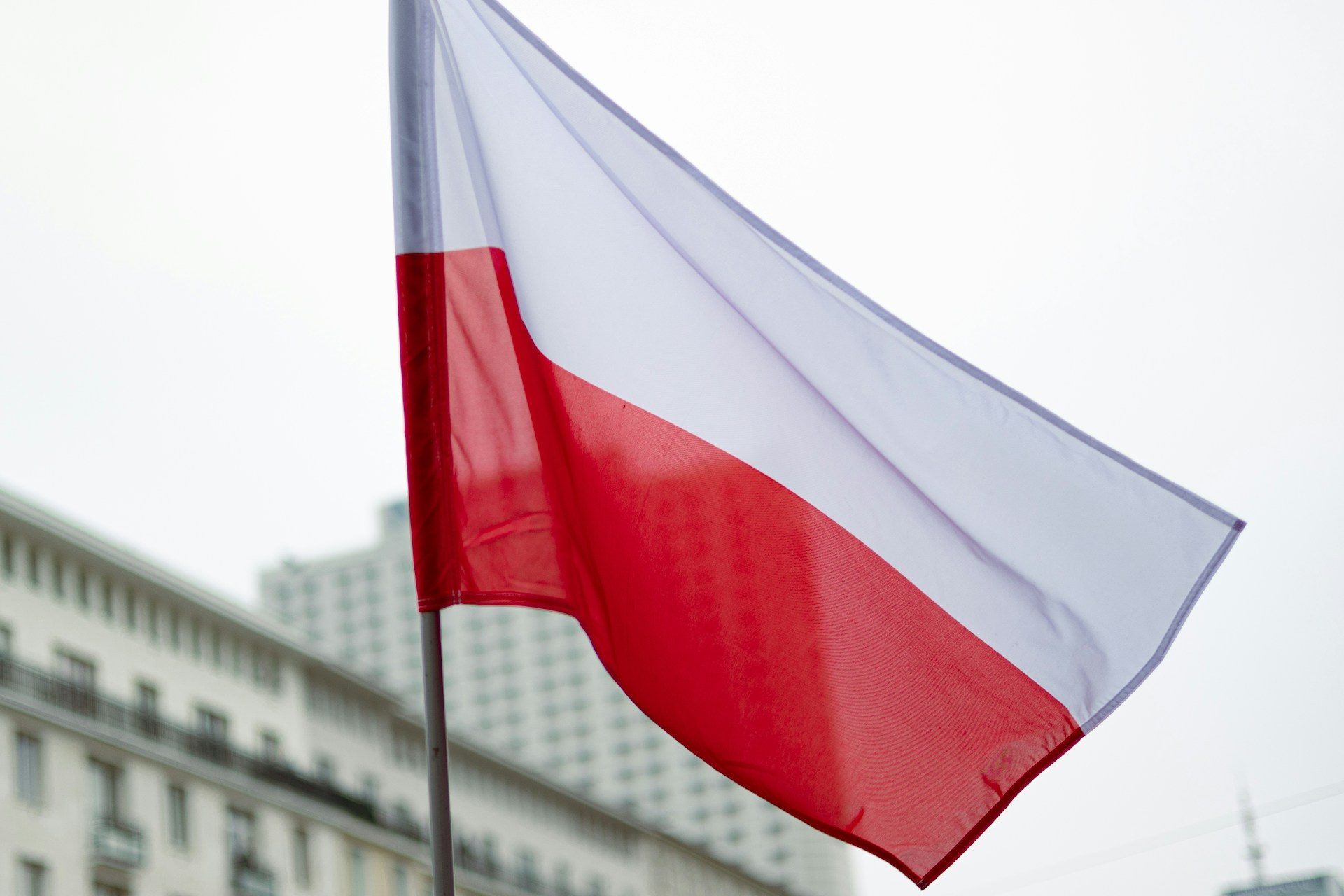
The Sejm saw a significant majority vote in favor of the new bill, generating a sense of urgency among lawmakers. However, opposition remains strong, especially following prior vetoes from President Karol Nawrocki, who expressed serious apprehension regarding potential repercussions for startups in the nation.
Concerns regarding overregulation and a possible startup exodus have been major talking points among legislators and industry professionals alike. The legislative framework aims to introduce various rules governing digital assets, but critics argue it lacks flexibility.
The crypto community also expressed dissatisfaction, claiming that the proposed rules exceed what is necessary under European Union regulations, risking innovation and market growth within Poland.
Senate’s Cautious Approach
Despite initial plans to swiftly pass the bill, the Senate’s latest maneuver has put future discussions on hold until January. Deputy Finance Minister Jurand Drop has voiced significant concerns about proceeding without making substantial amendments to the proposal.
Drop noted a limited change was made to the Sejm’s version of the legislation: a reduction in fees for intermediaries in crypto trading. This minor tweak, he asserts, does not adequately address more pressing issues within the bill.
“Reducing the fee from 0.4% to 0.1% does not resolve the broader concerns related to market stability and competitiveness,” he clarified. Future growth of the crypto sector raises doubts about the long-term sustainability of such fee structures.
In light of these concerns, the Senate Budget and Public Finance Committee convened to deliberate on the proposed changes. Committee Chairman Kazimierz Kleina advocated for a thorough review of the Sejm’s modifications before any further action is taken.
Impact on the Crypto Ecosystem
Looking ahead, industry experts are urging the government to reconsider its stance on regulation to foster a more enabling environment for crypto enterprises. The consensus is clear: clarity and flexibility in regulatory frameworks can significantly bolster innovation and attract global investments.
As the discussions are postponed until next year, stakeholders will have the opportunity to advocate for more favorable regulations that align with the evolving landscape of digital currencies. Enhanced collaboration with the industry can lead to legislation that supports growth while maintaining necessary consumer protections.
Overall, the developments in Poland serve as a critical reminder of the delicate balance required in creating legislative frameworks that support both innovation and regulation. The coming months will determine whether Poland establishes itself as a leader in the crypto space or lags behind due to stringent regulations that stifle growth.