The recent statements made by Ripple’s CEO Brad Garlinghouse during his appearance at the XRP Australia Sydney 2026 event have sparked renewed conversations about the company’s challenges. He drew intriguing parallels between Ripple’s struggles and newly released documents linked to the Epstein case. This has reshaped the narrative around Ripple’s position in the crypto landscape, suggesting a deeper, more complex undertone to its ongoing issues in the regulatory sphere.
During his remarks on February 27, Garlinghouse shed light on the company’s past, referencing how Ripple co-founder Chris Larsen’s observations about industry tensions had merit. He remarked:
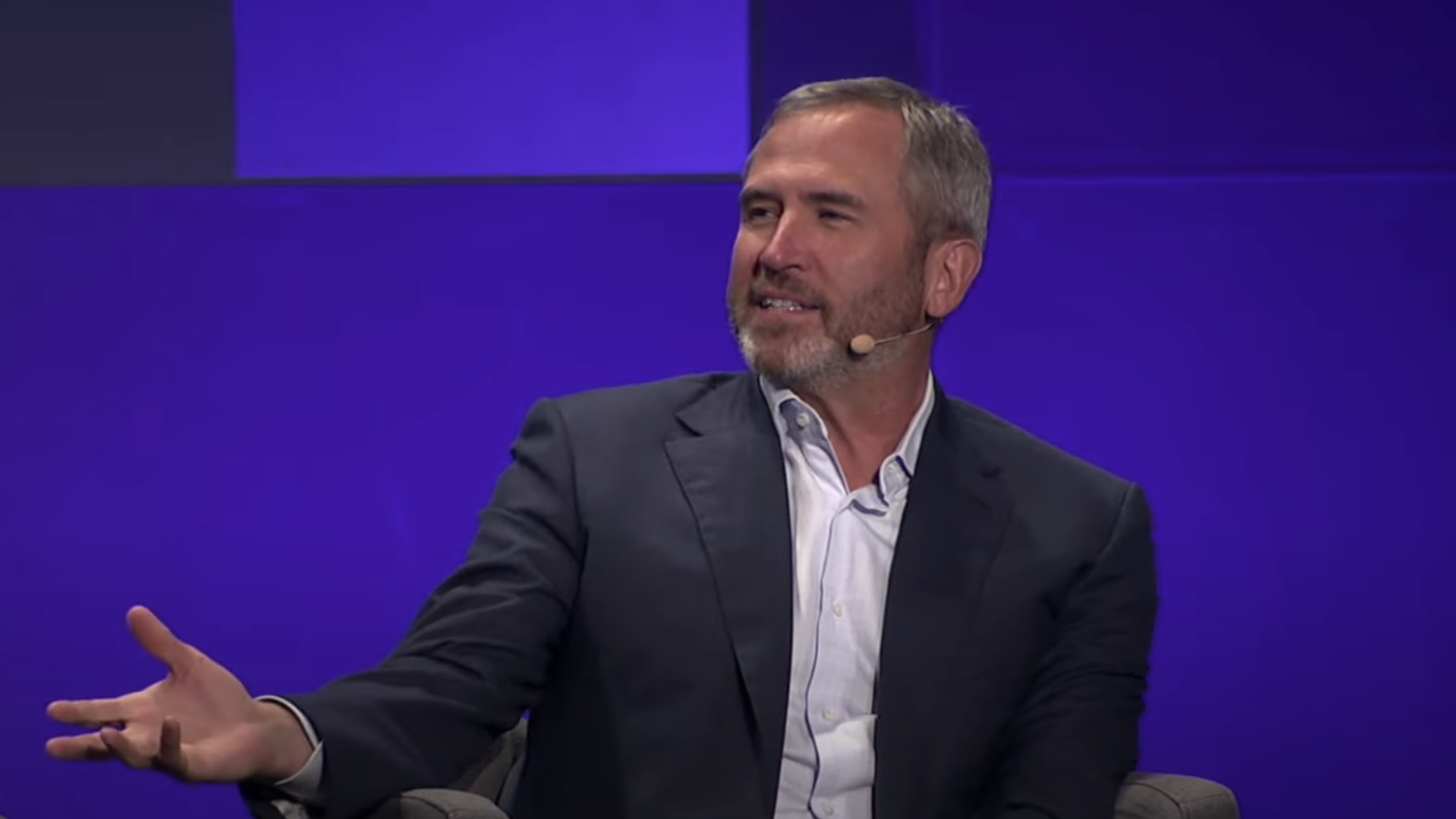
“Looking at the Epstein files now, it is apparent that there were indeed powerful interests that saw Ripple as a significant competitor. The technology we developed was ahead of its time and posed a real challenge to established norms. There was an effort to undermine us, which I didn’t fully grasp initially. But those early insights were indeed visionary.”
@bgarlinghouse stated:
“In hindsight, Chris should have been taken more seriously. The release of these files underscores that significant players tried to stifle our innovation.”
“They feared our capabilities, realizing that we were pioneering a method to revolutionize payments. The reality is that we faced a campaign to suppress our progress.” #XRP
— Crypto Analyst
|
(@Crypto_Analyst) March 7, 2026
The Ripple-Epstein Nexus Explained
The revelations from Garlinghouse are gaining traction within XRP communities, particularly in light of the Justice Department’s recent disclosures, which included a multitude of documents under the Epstein Files Transparency Act.
What is the nature of the connection between Ripple and Epstein? There isn’t any direct partnership or evidence suggesting Epstein took action against Ripple. The association stems from a 2014 email exposed in the released documentation. In this email, Austin Hill, a former Blockstream co-founder, voiced his concerns about Ripple and Stellar’s competitiveness, indicating that these projects posed a threat to Blockstream’s Bitcoin-centric vision.
This detail is fundamental. Ripple’s name surfaced in this context as part of a larger power struggle within the industry for dominance in capital, resources, and legitimacy. Hill’s email articulated the perspective that Ripple and Stellar were detrimental to the ecosystem they were attempting to cultivate. He advised investors to reconsider their support for these competing platforms.
The inclusion of Epstein in this discussion adds layers of complexity and discomfort for the industry. Reports highlight that emails show Epstein was involved with Blockstream through connections with former MIT Media Lab director Joi Ito, raising questions about his influence in certain technology circles.
Garlinghouse’s commentary reflects a sentiment that powerful stakeholders perceived Ripple as a disruptive force. However, while these documents substantiate ongoing suspicions of exclusion, they do not conclusively demonstrate any coordinated effort with regulators regarding the SEC’s actions against Ripple.
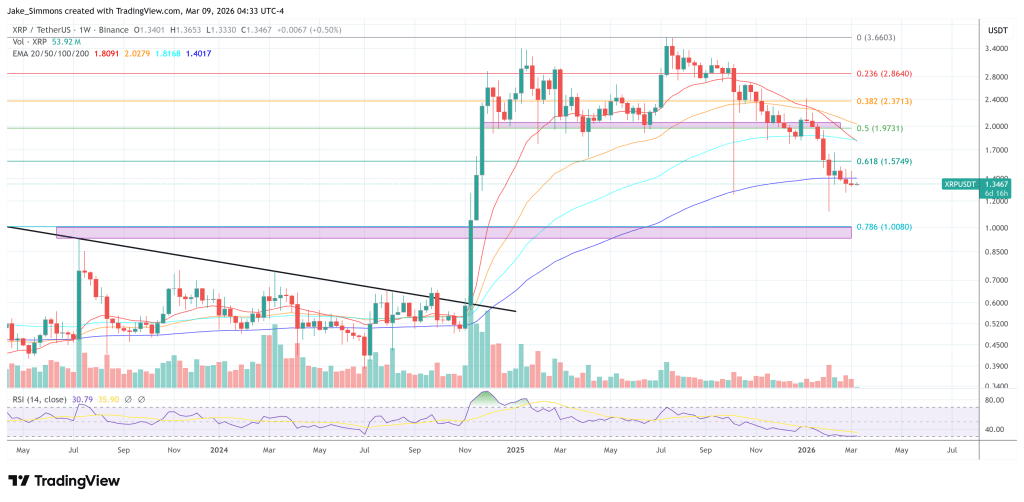
As of now, the price of XRP remains at approximately $1.34.