The landscape of cryptocurrency in Russia continues to evolve, but recent statements from government officials indicate a firm stance against its use as a payment method. Anatoly Aksakov, chairman of the State Duma Committee on Financial Markets, has unequivocally stated that cryptocurrencies “will never” serve as legal tender within the nation. This means that any transactions conducted domestically will remain reliant exclusively on the Russian ruble.
Aksakov emphasized that cryptocurrencies will strictly function as investment vehicles. He articulated, “For domestic payments, the only accepted currency is the ruble,” during a press conference hosted by TASS, highlighting the government’s commitment to traditional financial systems.
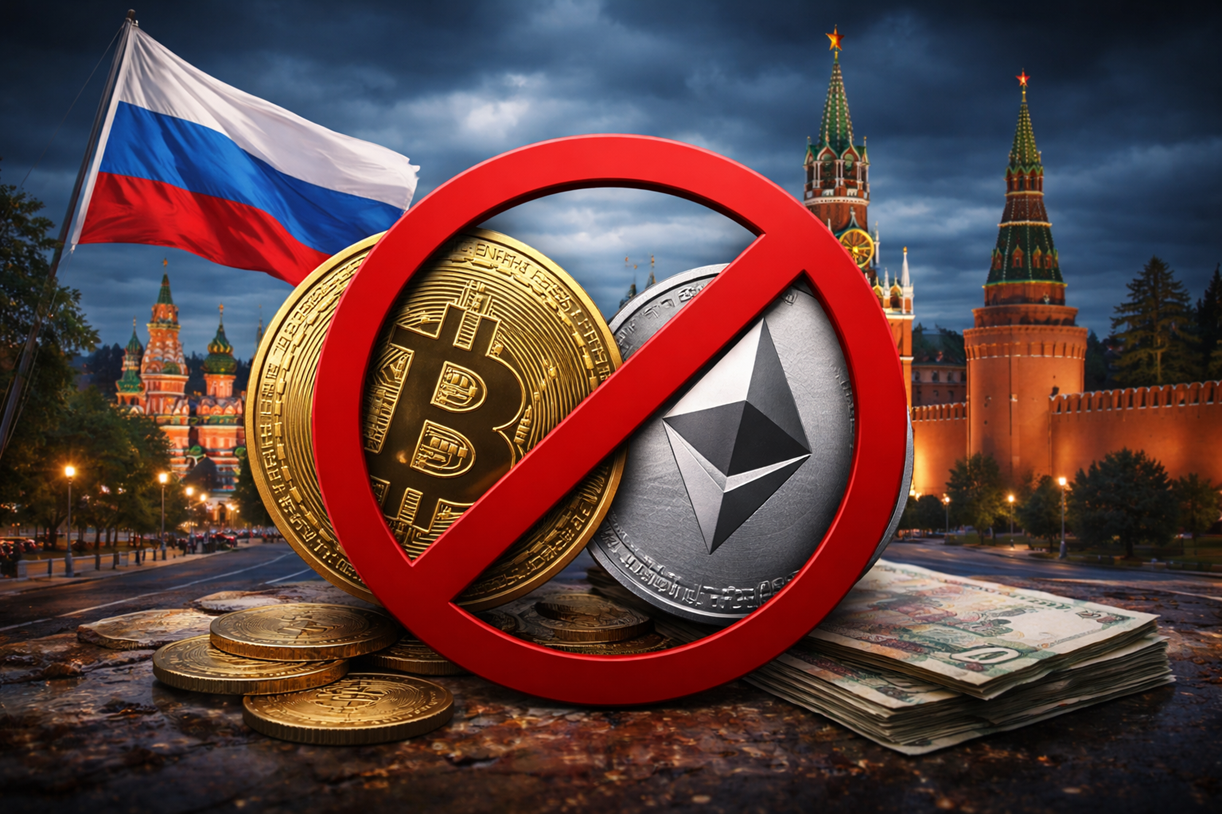
Firm Stance on Crypto Payments in Russia
This definitive declaration comes amidst ongoing discussions about the potential roles cryptocurrencies might play within the Russian economy. Over the years, speculation has suggested that Russia might embrace crypto payments as a way to navigate international sanctions. Conversations around “settlements” and “trade” often lead to assumptions regarding everyday transactions, but the reality remains different.
The Bank of Russia’s position aligns with Aksakov’s comments. Elvira Nabiullina, the bank’s governor, reiterated earlier this year that cryptocurrencies cannot be utilized for domestic transactions. However, she also mentioned the establishment of an experimental legal regime (ELR) that permits limited use of cryptocurrencies in foreign trade under specific conditions.
This dual approach—prohibiting domestic use while allowing international transactions—illustrates Russia’s strategic focus. Authorities are creating opportunities for cross-border commerce, enabling exporters and importers to engage in cryptocurrency transactions tied to international contracts.
In late 2024, Finance Minister Anton Siluanov acknowledged that Russia had started utilizing Bitcoin and other cryptocurrencies for international trade, framed within its unique legal context. This underscores that crypto transactions do occur, albeit not in the consumer-friendly manner anticipated by many.
As the regulatory climate grows more supportive regarding crypto investment, the payment restrictions remain steadfast. In March, the central bank unveiled a proposal aimed at allowing “specially qualified” wealthy individuals to purchase cryptocurrencies, maintaining the prohibition on domestic payments.
Additionally, regulators have demonstrated a willingness to enforce strict measures on retail operations, as seen in recent reports of service blocks on crypto-related platforms.
In summary, the message is clear: while speculation and authorized trading are permissible, cross-border settlements are the focus. Within Russia, however, the ruble continues to hold exclusive power as the only legal payment option. For those hoping for a shift towards cryptocurrency as a mainstream payment alternative, this latest statement signals a definitive closure on that subject.
As of now, the total market capitalization for the cryptocurrency space is approximated at $2.92 trillion.