The evolving landscape of the US cryptocurrency market is facing significant legislative hurdles this year. Recently, Senate Banking Committee Chair Tim Scott indicated that further discussions on the crypto market structure bill will likely be postponed until 2026. This bill, following the GENIUS Act, holds considerable potential to reshape how digital assets are regulated.
Crypto Legislative Developments Deferred
A recent announcement from Chair Scott, a member of the Republican party from South Carolina, confirmed delays in the Senate Banking Committee’s voting schedule. His office is currently engaged in discussions with Democratic leaders, striving for a jointly supported framework for cryptocurrency regulation.
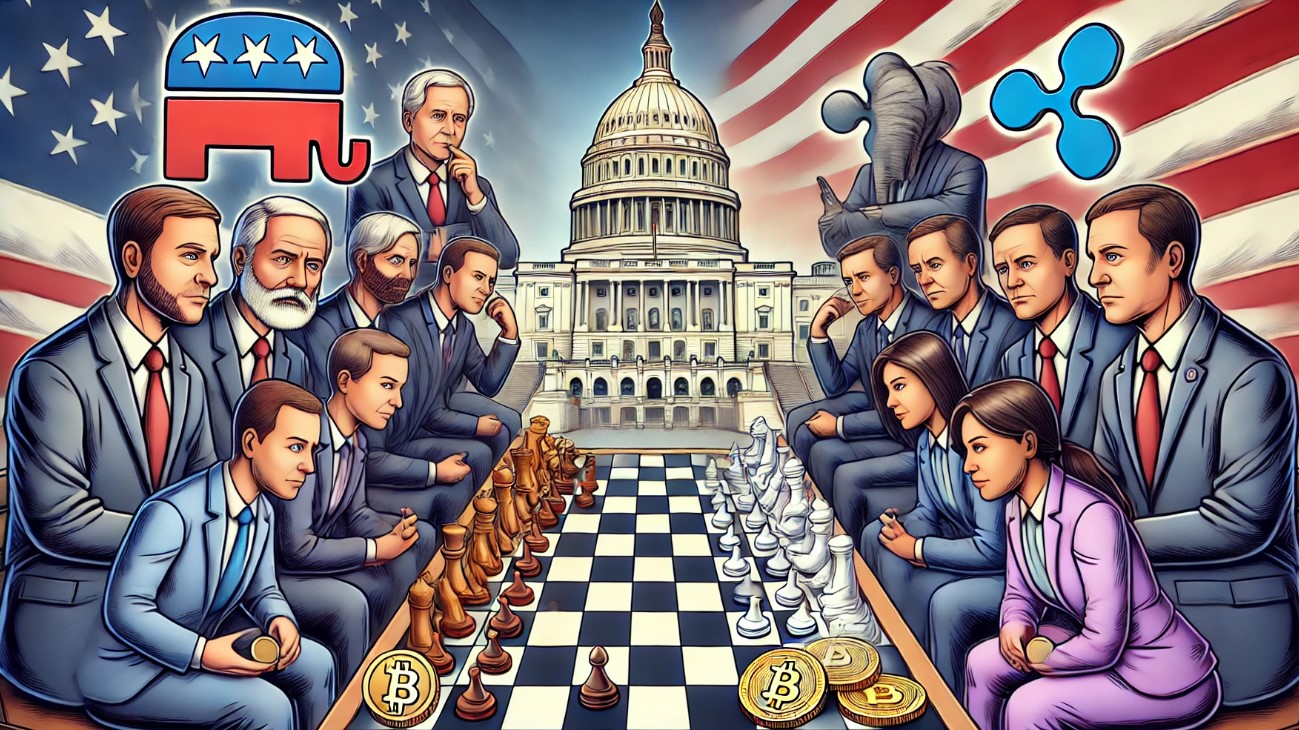
Spokesperson Jeff Naft underscored the significant progress being made, highlighting the committee’s commitment to establishing a clear regulatory landscape that could position the US prominently in the evolving digital asset market.
This postponement comes amidst various drafts of the proposed legislation. As Congress gears up for action post-holiday break, priorities will shift towards urgent government funding discussions, compounded by the impending expiration of the current funding agreement on January 30.
Efforts to negotiate have intensified, as members of the Banking Committee from both parties collaborate to create a bipartisan solution. This partnership showcases an ongoing commitment to regulatory clarity, despite the complex nature of the cryptocurrency landscape.
Concerns voiced by Democratic representatives about the broader implications of the bill reflect their commitment to various issues—ranging from market integrity to financial stability—and ethical concerns regarding digital asset activities.
Specifically, ethical questions have come into the spotlight, tied to former President Donald Trump and his family’s involvement in crypto ventures, raising scrutiny over the management of potential conflicts of interest.
Increased Regulatory Scrutiny of Cryptocurrencies
Amid the legislative stagnation, federal regulators are not standing idle. The Securities and Exchange Commission (SEC) has actively engaged with the cryptocurrency sector, issuing numerous statements and hosting discussions to clarify how current securities regulations apply to digital assets.
Simultaneously, the Commodity Futures Trading Commission (CFTC) embraced innovative approaches by allowing accredited institutions to explore spot crypto trading and granting no-action relief to certain prediction market operators concerning data handling.
Furthermore, the Federal Deposit Insurance Corporation (FDIC) is making strides in advancing the framework for stablecoins, primarily through the GENIUS Act. Upcoming reviews by the FDIC board will focus on proposed regulations governing the issuance of payment stablecoins by banks, inviting public feedback and discussion.
Travis Hill, the nominated chair for the FDIC, who may receive Senate confirmation soon, pointed out that efforts are underway to establish comprehensive standards for stablecoin issuers. These standards are set to cover critical areas such as capital reserves and risk management practices.
Featured image generated by DALL-E, chart sourced from TradingView.com