In a bold move reflecting ongoing tensions in international finance, a group of Senate Democrats has revealed their plan to scrutinize El Salvador’s cryptocurrency approach. This new legislation aims to impose significant financial consequences on the Salvadoran government while seeking answers regarding their Bitcoin policies. Introduced on June 12 by Senators Chris Van Hollen, Tim Kaine, and Alex Padilla, the El Salvador Accountability Act of 2025 (S. 2058) is currently under consideration by the Senate Foreign Relations Committee.
Legislation Targets Bitcoin Practices
This proposed legislation seeks to leverage the International Emergency Economic Powers Act allowing for extensive sanctions against selected officials within the Salvadoran government, including President Nayib Bukele and key members of his administration. By freezing assets and revoking visas, this legislation aims to make a strong statement about accountability and economic governance. Importantly, it also pressures U.S. representatives at international financial institutions like the IMF and World Bank to oppose new loans to El Salvador, suggesting a unified stance on fiscal responsibility.
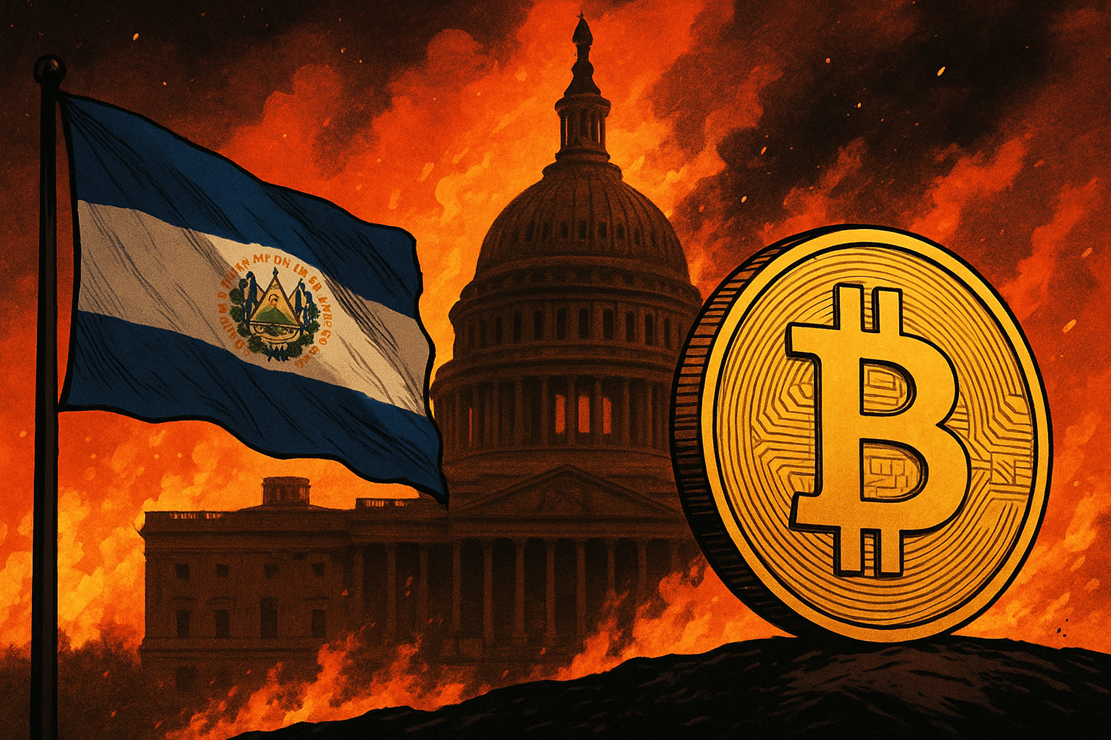
The heart of this legislation lies in its focus on cryptocurrency, specifically Bitcoin. Within 90 days of enactment, the Secretary of State, in collaboration with the Treasury, is tasked with producing a detailed report that examines how the Bukele administration may be utilizing cryptocurrency for unethical or illegal activities, along with identifying wallet addresses and estimating Bitcoin holdings.
The concerns raised in this context echo those initially presented in the bipartisan Accountability for Cryptocurrency in El Salvador (ACES) Act of 2022, which called for an investigation into the implications of Bukele’s innovative 2021 Bitcoin initiative. Earlier this year, in a strategic move, Bukele’s government altered the legal status of Bitcoin as part of a financial arrangement with the IMF, although the cryptocurrency continues to be used for transactions within the country.
The sponsors of the bill emphasize a human rights perspective as a primary motivation for the sanctions. Senator Kaine commented on the alarming reality for many Salvadorans facing harsh imprisonment conditions without due process. Senator Van Hollen further expressed concerns over the use of U.S. taxpayer funds in ways that threaten individual rights, highlighting a moral dimension to the legislative effort. Senator Padilla described the situation as “abhorrent,” labeling the sanctions as essential action.
Moreover, the legislative focus on Bitcoin underscores a broader apprehension about potential misuse of the cryptocurrency in a dollarized economy, particularly as unverified digital asset reserves could facilitate evasion of international sanctions. The proposed measures compel transparency regarding the management and custody of these Salvadoran Bitcoin wallets.
In an expected reaction, President Bukele took to social media, expressing amusement at the legislation, a stance characteristic of his public persona. His comments are combined with a broader discussion on the challenges and politics of cryptocurrency regulation and the implications for sovereignty in financial policymaking.
As this bill proceeds, the intricate dynamics of U.S.-El Salvador relations will be closely observed, particularly concerning the bipartisan commitment to enforcing accountability measures. If passed, the White House would have a limited timeframe to delineate the sanctioned individuals and requirements for subsequent reporting, potentially shaping the future of economic interactions between the two nations.
At the time of reporting, Bitcoin was priced at approximately $108,821, illustrating the volatile nature of digital assets amidst these legislative debates.