In a significant development, lawmakers in South Korea are considering a bill aimed at eliminating the taxation of cryptocurrency assets, which is set to take effect on January 1, 2027. This proposal has sparked a renewed debate over the treatment of digital currencies within the nation’s financial framework.
The Evolving Landscape of Crypto Regulation
Recent reports from Digital Asset indicate that the opposition party, the People Power Party, is pursuing a strategy to integrate virtual asset gains into an overall financial investment tax framework. This move could abolish the controversial 20% “crypto tax,” creating a more unified approach to taxation on investments.
The initiative follows a series of regulatory delays. Both ruling and opposition parties have taken turns postponing the implementation of the crypto tax, often using these timelines to attract younger voters during election cycles. Initially slated for enforcement in 2022, the start date has been pushed back several times to 2023, then to 2025, and now to 2027. This back-and-forth has highlighted the political complexities surrounding investor protections and tax equity.
The debate primarily centers on issues of fairness. Under the proposed tax structure, crypto gains would incur taxes at a lower threshold compared to stock investments, which are taxed only above ₩50 million. This discrepancy has led to accusations that retail investors in crypto are being disproportionately targeted. According to Song Eon-seok, a key figure in the initiative:
Eliminating a separate tax on digital assets aligns with our goals for market equity and investor rights, especially as we seek to bolster our capital markets.
Kim Han-gyu of the Democratic Party has expressed that while they will review the proposal, there has yet to be substantial dialogue or consensus within his party regarding its feasibility, according to local news sources.
South Korea’s Pioneering Role in Crypto Oversight
South Korea has taken proactive steps in the regulatory landscape with the introduction of the Virtual Asset User Protection Act, and work continues on a comprehensive “Virtual Asset Law.” This law aims to enforce stricter regulations on stablecoins and enhance surveillance of the crypto market, demonstrating that taxation is merely one aspect of a broader regulatory strategy.
While other nations are tightening their grips on digital asset taxation, South Korea has chosen to prioritize regulatory clarity and market stability. Notably, the National Tax Service of South Korea is also advancing an ambitious AI-driven Crypto Tracking System, allowing for increased oversight in the digital currency domain.
A well-structured tax environment could deter traders from moving their activities abroad or to unregulated exchanges, thereby fostering greater liquidity and institutional engagement within the country. Although the discontinuation of a standalone crypto tax may provide temporary relief, the forthcoming unified financial investment tax will introduce advanced reporting requirements. Traders should prepare for enhanced Know Your Customer (KYC) processes, meticulous record-keeping, and the possibility that what seems like a short-term reprieve may lead to a more intricate tax framework in the future.
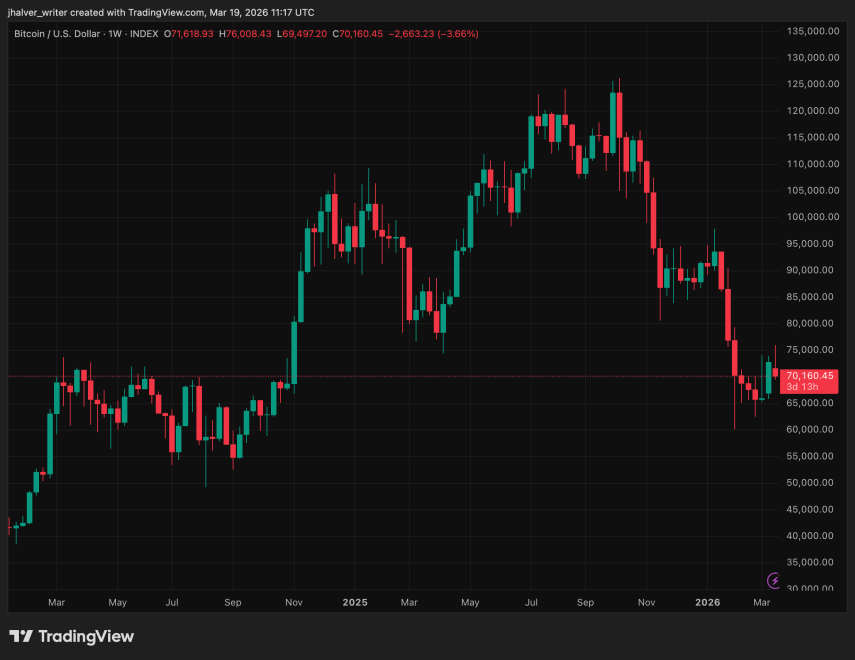
The image is sourced from Perplexity, with the BTCUSD chart provided by Tradingview.