Tether Responds to S&P Global Ratings’ Assessment Amid Concerns Over USDT’s Stability
Tether has publicly challenged S&P Global Ratings after the agency maintained its lowest stability score for USDT, highlighting worries about the increasing portion of higher-risk assets in its reserves. In its recent evaluation released on November 18, S&P assigned USDT a rating of 5 on its five-point scale, indicating a weak ability to maintain its dollar peg. This rating has not changed since November 2025, when Tether was first downgraded.
Rising Risks in Tether’s Reserve Composition
S&P’s report noted that as of September 30, higher-risk assets, which include Bitcoin, gold, public equities, secured loans, and corporate bonds, made up approximately 28% of USDT in circulation. This figure has risen from 24% the previous year, signaling a growing exposure to assets whose value can fluctuate significantly. The agency raised concerns that a decline in these asset values could potentially undermine USDT’s collateralization, especially if several of the reserves were to lose value simultaneously.
Tether disputed S&P’s findings, suggesting that the agency’s assessment criteria were outdated rather than reflective of the stability of its reserves. The company’s reserve report, verified by BDO, indicated assets of about $191.5 billion against liabilities of $183.5 billion, leaving Tether with around $7.95 billion in excess assets.
Concerns About Regulatory Oversight and Safeguards
Additionally, S&P expressed concerns regarding the regulatory framework overseeing Tether’s operations in El Salvador, where the company relocated in January 2025. The local National Commission of Digital Assets requires that 70% of reserves be held in assets that are liquid within 30 days. However, S&P pointed out that the broad nature of this framework allows for higher-risk assets like Bitcoin and gold to qualify, which could be problematic.
The absence of mandated segregation of reserve assets from Tether’s other holdings also alarmed the agency. U.S. and European regulators typically expect stronger safeguards, but without publicly available information confirming asset segregation, S&P noted it could not evaluate the protection of USDT’s reserves effectively.
Debate Over Audit Transparency
In August 2026, KPMG provided an unqualified opinion on Tether’s 2025 accounts, which was highlighted by Tether as its first comprehensive independent audit. However, S&P criticized the lack of published audited financial statements and the auditor’s report, which hinders external verification of Tether’s financial integrity.
S&P also pointed out that Tether’s reserve reports do not disclose the custodians managing its assets. While Tether issues quarterly attestations, some of its competitors provide updates monthly. Tether has previously contested S&P’s evaluations, with CEO Paolo Ardoino speaking out against the agency following the initial downgrade in 2025, emphasizing flaws in conventional financial systems as the reason for their criticisms.
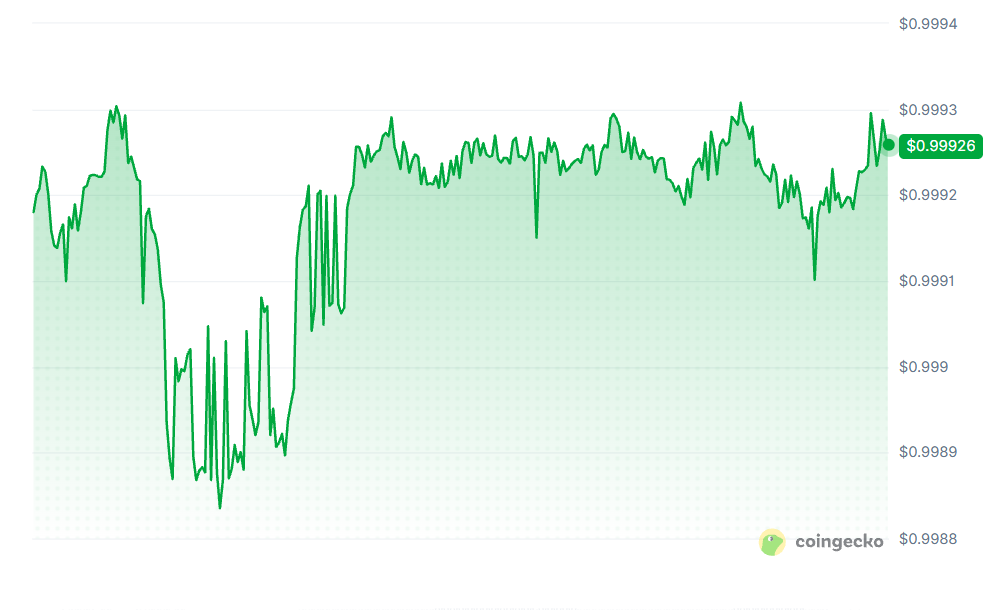
Despite receiving the lowest rating from S&P, the agency acknowledged that USDT has a solid track record of price stability over the past year.
Looking Ahead: Will Tether Revise Its Reserve Structure?
The pressing questions remain: Can Tether enhance its reserve disclosures while decreasing its exposure to high-risk assets? Will USDT’s demonstrated price stability continue to overshadow concerns regarding its reserve composition as the stablecoin market evolves?