The convergence of NFTs (non-fungible tokens) and intellectual property rights (IPR) marks a transformative moment in the cryptocurrency industry. NFTs, which are unique digital assets verified using blockchain technology, enable creators to safeguard their work, ensuring authenticity and ownership. This guide delves into the intersection of NFTs and intellectual property, exploring their implications, benefits, challenges, and future prospects.
Understanding NFTs
To comprehend the role of NFTs in intellectual property rights, it’s crucial to first understand what NFTs are and how they function.
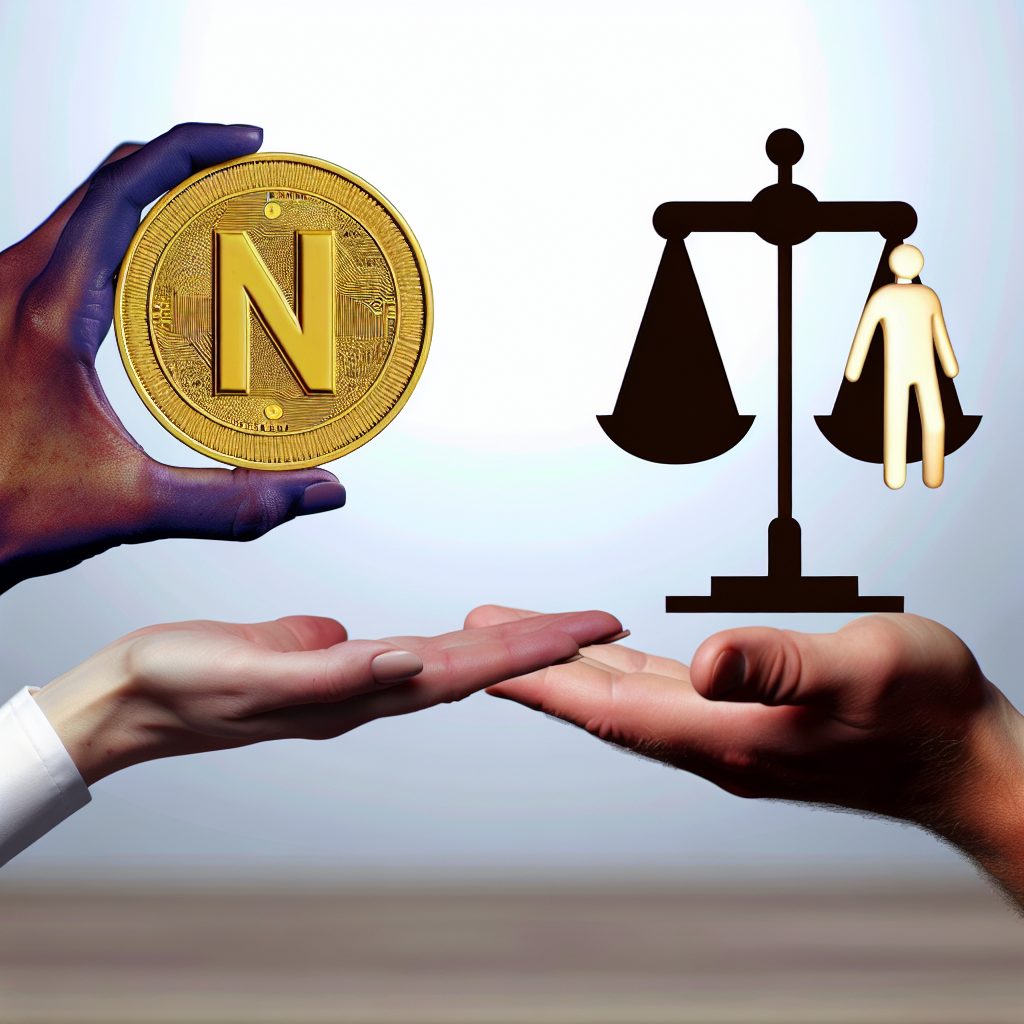
- Definition: NFTs are digital certificates of ownership that exist on a blockchain. Unlike cryptocurrencies such as Bitcoin or Ethereum, which are fungible and can be exchanged on a one-to-one basis, NFTs are unique and cannot be replicated.
- Features: Key characteristics of NFTs include uniqueness, indivisibility, and verifiability. This makes them ideal for representing ownership of creative works.
- Marketplaces: NFTs can be bought and sold on various platforms such as OpenSea, Rarible, and Foundation, creating vibrant marketplaces for digital art and collectibles.
The Importance of Intellectual Property Rights
Intellectual property rights are crucial in safeguarding the interests of creators and inventors. They provide legal protections to various forms of intangible assets, allowing creators to control the use and distribution of their work.
- Types of Intellectual Property:
- Copyrights
- Trademarks
- Patents
- Trade Secrets
- Benefits:
- Legal Recognition: IP rights confer legal recognition to creators, deterring unauthorized use of their work.
- Monetization: Creators can license or sell their intellectual property for profit.
- Market Value: IP assets can significantly increase the market value of a business or individual.
The Intersection of NFTs and Intellectual Property Rights
As the NFT market has grown, its relationship with intellectual property rights has garnered attention. This section examines how NFTs impact the protection and management of intellectual property.
Ownership and Provenance
One of the main advantages of NFTs is their ability to establish ownership and provenance of digital assets. The blockchain serves as a transparent ledger, documenting the history of each NFT, including its creation and ownership transfers.
- Transparency: Each NFT is linked to a unique token ID that is permanently recorded on the blockchain. This ensures that the origin and transfer of ownership are transparent and immutable.
- Proof of Authenticity: NFTs provide a reliable proof of authenticity, making it easier for artists and creators to establish that their work is original.
Licensing and Rights Management
NFTs allow creators to embed licenses into the smart contracts that govern them. This feature enhances the rights management process for creators.
- Smart Contracts: Smart contracts automate the enforcement of licensing agreements, ensuring that creators receive royalties each time their NFT is sold or resold.
- Control over Distribution: NFTs give creators the power to control how their work is reproduced and distributed in the digital realm, thus protecting their rights effectively.
Challenges and Considerations
Despite the many advantages that NFTs offer to the realm of intellectual property rights, several challenges remain.
- Copyright Issues: The creation of NFTs has raised questions about copyright infringement, especially when someone mints an NFT of a work they do not own.
- Legal Frameworks: Current legal frameworks surrounding intellectual property rights are often outdated and may not adequately address the nuances of NFTs.
- Enforcement: Enforcing intellectual property rights within the decentralized landscape of blockchain can be complex, requiring collaboration between various stakeholders.
Real-World Applications of NFTs in Intellectual Property
In various sectors, NFTs have emerged as powerful tools for managing intellectual property rights. Let’s explore some notable applications.
Art and Digital Creatives
NFTs revolutionized the art world by enabling artists to sell their work as unique digital assets.
- Case Studies: Artists like Beeple have achieved significant financial success through NFT sales, underscoring the potential for creators to monetize their work directly.
- Community Engagement: Artists can build communities around their work, allowing for deeper connections between creators and fans.
Music Industry
The music industry is also experiencing a significant transformation due to NFTs.
- Direct Sales: Musicians can sell their music directly to fans, bypassing traditional distribution methods and retaining more revenue.
- Exclusive Content: NFTs can offer fans unique experiences, such as backstage passes, special editions, or exclusive content.
Gaming and Virtual Worlds
NFTs are redefining ownership in gaming and virtual worlds by allowing players to own in-game assets.
- True Ownership: Players can truly own their items and trade them outside of the game environment.
- Play-to-Earn Models: NFT-based games have introduced innovative income models where players can earn real-world value from their in-game achievements.
The Future of NFTs and Intellectual Property Rights
The future of NFTs in intellectual property rights holds immense potential as technology and legal frameworks evolve.
- Standardization: The establishment of industry standards for NFTs can help address copyright issues and improve rights management.
- Legal Innovations: Ongoing discussions around intellectual property rights may lead to new legal frameworks tailored to the nuances of digital assets.
- Broader Adoption: As more industries embrace NFTs, their integration with intellectual property rights will likely become more sophisticated and widespread.
FAQs
What are NFTs?
NFTs, or non-fungible tokens, are unique digital assets verified on a blockchain, representing ownership of tangible or intangible items such as art, music, and collectibles.
How do NFTs affect copyright law?
NFTs can complicate copyright law, as minting an NFT requires clear ownership rights. Misunderstanding or mismanagement can lead to copyright infringement.
Can I sell my work as an NFT even if I don’t own the copyright?
Legally, you cannot sell an NFT of a work unless you possess the copyright or have explicit permission from the copyright owner.
How can artists benefit from using NFTs?
Artists can sell their work directly to consumers, retain more profits, establish ongoing revenue through royalties, and enhance community engagement.
Conclusion
The integration of NFTs into the sphere of intellectual property rights is a promising development within the cryptocurrency industry. By providing ownership, authenticity, and improved rights management, NFTs empower creators and reshape the landscape of digital assets. As industries adapt to these innovations, the potential for broader adoption and more refined legal frameworks remains. For ongoing updates and insights into the evolving crypto landscape, consider joining the Bitrabo Community, a comprehensive source for crypto news, airdrops, new listings, and price tracking.
Disclaimer
This article is for informational purposes only and does not constitute legal or financial advice. Always conduct personal research before engaging in any cryptocurrency transactions or investments.
Stay connected with the latest in crypto — follow us on X, Instagram, Threads, Facebook, and LinkedIn.