The Tron (TRX) blockchain has recently captured attention with a groundbreaking decision to slash transaction fees by as much as 60%. This action followed a substantial community vote, driven by concerns that increasing transaction costs were deterring user involvement and halting the ecosystem’s growth.
New Fee Structure on Tron
The recently approved proposal stemmed from escalating transaction costs coinciding with TRX’s surging value, which has doubled since early 2024. This surge raised concerns over the sustainability of current fees.
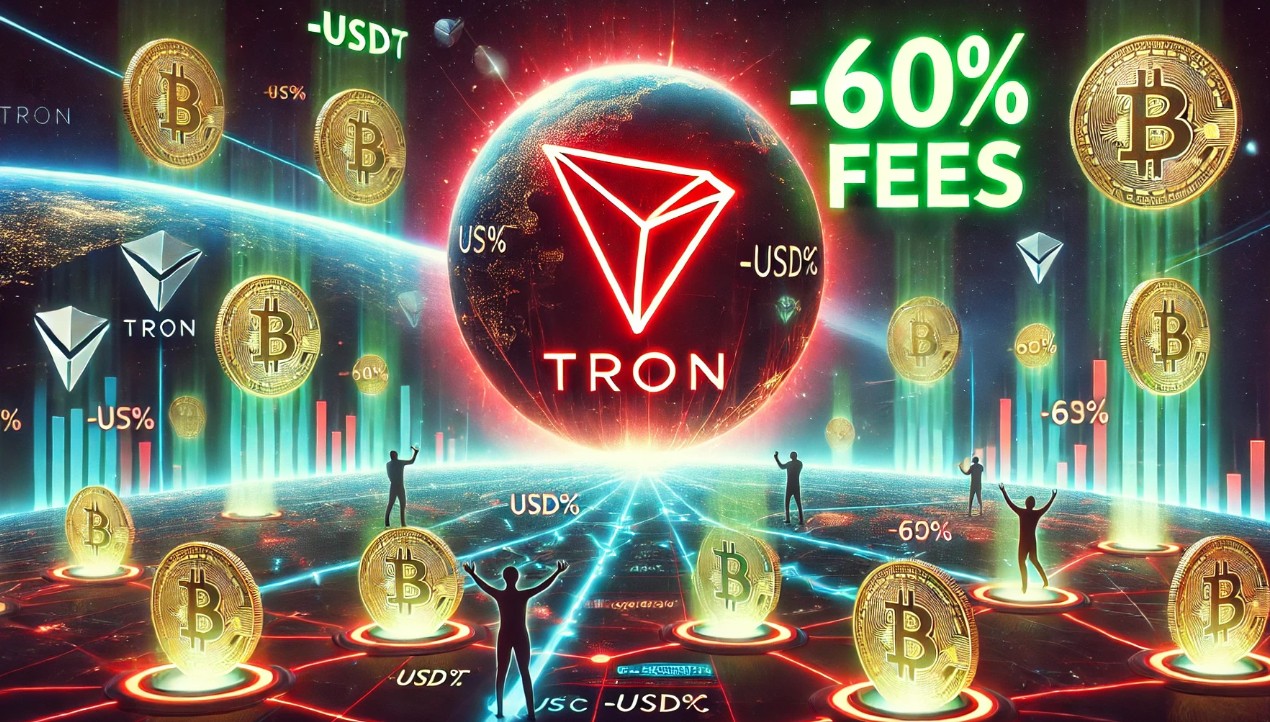
While higher fees traditionally enhance network security, the community recognized that excessive costs diminish Tron’s competitive position, making it essential to lower fees to attract users.
The spike in TRX prices has been associated with an upsurge in transaction fees for numerous contracts, particularly impacting transactions involving Tether’s USDT stablecoin.
This escalation in costs has rendered the previous 50% cut in energy charges, decided by an earlier proposal, ineffective, prompting the community’s latest initiative.
Currently, TRX is valued at $0.33, reflecting a remarkable growth of 107% year-to-date, marking its position among the best-performing cryptocurrencies this year, outperforming notable tokens such as Bitcoin (BTC), Ethereum (ETH), Solana (SOL), and Cardano (ADA).
Short-Term Economic Effects Anticipated
Justin Sun, the visionary behind Tron and an influential figure in the cryptocurrency scene, publicly announced this significant development through his social media channel. He noted that this fee cut will represent the most substantial reduction since Tron’s establishment in 2017 alongside the TRON Foundation.
Sun articulated concerns that, in the short term, this decision may negatively impact the network’s profitability, as transaction fees serve as a crucial revenue stream.
Nevertheless, he remains optimistic that the long-term advantages will overshadow these initial challenges. By stimulating user participation and increasing transaction volumes, Tron aspires to cultivate a dynamic ecosystem that ultimately boosts profitability.
In a bid to keep the fee structure both competitive and viable, the network’s Super Representative community will undertake quarterly evaluations of the fee schedules.
These reviews will consider multiple factors, including TRX price fluctuations, network activity levels, and overall market growth. Sun elaborated on this in his social media statement:
On August 26, 2025, the Tron Super Representative community proposed a major reduction in fees by 60%. This marks the largest fee reduction since the inception of the Tron network. The proposal is set to activate at 20:00 (GMT+8) this Friday.
Photo credit: DALL-E, chart sourced from TradingView.com.