Recent discussions surrounding the U.S. Federal Reserve have reignited debates over monetary policy, especially concerning interest rates. With a focus on economic growth, many analysts are watching closely as tensions between political leaders and the central bank continue to evolve.
Presidential Influence on Monetary Policy
In a recent informal meeting, President Trump and Federal Reserve Chair Jerome Powell exchanged views about the future of interest rate policies. This interaction, described by onlookers as constructive, raised questions about the likely trajectory of monetary policy amidst changing economic conditions. Reports suggest that the administration is keen on advocating for lower interest rates to stimulate economic growth.
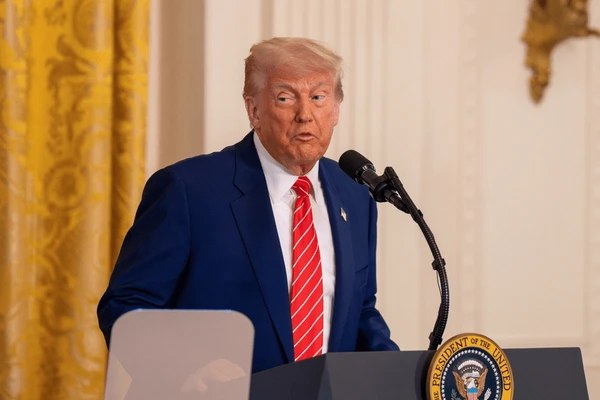
Trump has articulated his position strongly, emphasizing that reducing rates is critical for fostering a robust economy. His remarks during public engagements have centered around the idea that lower rates can significantly boost investment and consumption levels, ultimately leading to a healthier economic landscape.
With increasing pressure on Powell, it’s worth noting that central banks often navigate complex relationships between political expectations and their dual mandate of promoting maximum employment and stable prices. As Trump’s administration continues to vocalize its demand for rate cuts, this interplay becomes more intriguing.
Global Conversations on Economic Policy
Following his talks with Powell, President Trump expanded his discussion on interest rates during meetings with other world leaders, including UK Prime Minister Keir Starmer. During these conversations, he reiterated the need for interest rates to plummet to levels not seen in years, emphasizing that such measures are essential for global economic health.
Trump’s assertion that lowering rates could lead to substantial savings for both the U.S. economy and its international counterparts reflects a broader perspective on monetary policy impacts. He highlighted a potential resemblance to past financial strategies that successfully mitigated economic downturns.
Furthermore, Trump’s ongoing advocacy for interest rate adjustments hints at a broader agenda influencing not just traditional financial markets but also emerging sectors, particularly cryptocurrency. Advocates in this space are closely monitoring developments, believing that rate cuts could act as a significant driver for digital asset valuation.
The Changing Landscape of Investment
The dialogue between political figures and central bank authorities signals a critical period for investors. With speculation around potential rate cuts potentially transforming market conditions, investors might see significant opportunities in various sectors. The recommendation from crypto analysts draws parallels to previous instances where lower rates fueled considerable growth in alternative assets.
- Investment opportunities: Lower rates often stimulate borrowing, which can lead to increased investment in both established assets and newer categories like cryptocurrencies.
- Market fluctuations: Observers anticipate that a shift in rates could lead to increased volatility, making the market more dynamic for traders and long-term investors alike.
As we move forward, the intersection of political influence, economic strategy, and technology will remain a focal point for understanding the future of U.S. monetary policy. The activities surrounding the Federal Reserve are not just about rate adjustments; they reflect broader implications for both domestic and international economic stability.