American Bitcoin, a cryptocurrency mining enterprise co-founded by Eric Trump, has recently secured a significant $150 million revolving credit facility from the digital asset brokerage FalconX. This funding will provide the company with capital while allowing it to avoid liquidating its Bitcoin holdings or issuing new shares.
The financing was detailed in a securities filing made on November 23, following the signing of the agreement on November 18 by American Bitcoin Operating, a fully-owned subsidiary. As part of the arrangement, the company utilized part of its Bitcoin reserves as collateral.
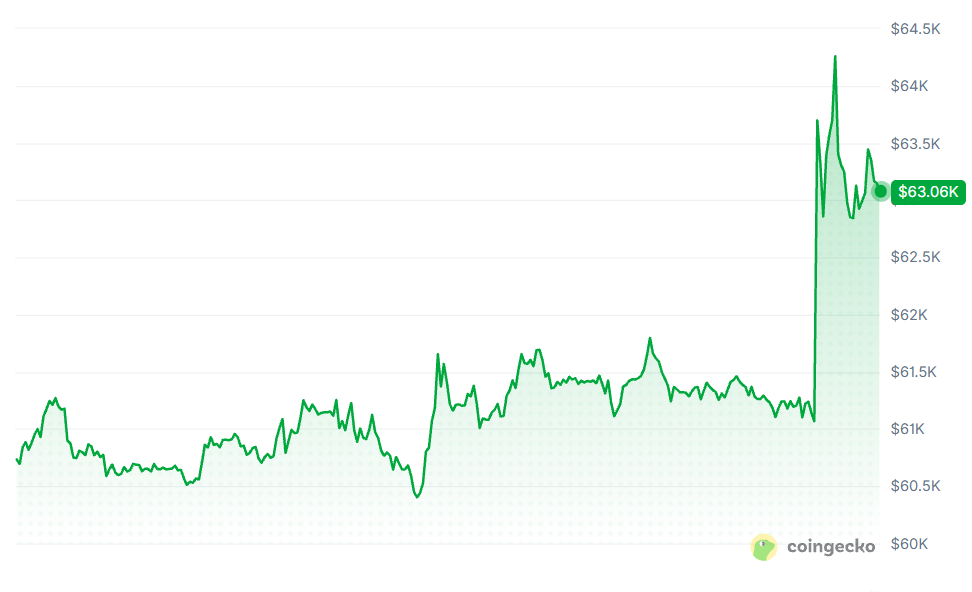
In response to the announcement, American Bitcoin’s stock saw a notable increase, trading at $3.84 in premarket sessions, which is approximately 9.7% higher than its last closing price of $3.50. However, this financing strategy does come with risks; while leveraging Bitcoin can protect its reserves, a downturn in the cryptocurrency market could necessitate additional collateral or lead to the forfeiture of assets.
Details of the Financing Arrangement
The credit facility permits American Bitcoin to borrow up to $150 million, offering flexibility by allowing the company to withdraw funds, repay them, and borrow again throughout the term of the facility. This financial arrangement incurs a 5.95% annual fee on borrowed amounts, in addition to a commitment fee on any unused portions. Set for an initial two-year duration, the credit facility may be extended for up to three additional years at FalconX’s discretion, pending the borrower’s agreement.
American bitcoin has secured a $150 million committed credit facility with @FalconXGlobal to support strategic growth…
American Bitcoin CEO Mike Ho highlighted that the funds will primarily be used for operational costs and strategic growth, emphasizing the company’s commitment to building infrastructure while maintaining a focus on accumulating more Bitcoin.
Risks Associated with Collateral Requirements
This credit facility is anchored by Bitcoin retained in custody at Anchorage Digital Bank, necessitating American Bitcoin to provide approximately $1.43 in collateral for every borrowed dollar, resulting in a collateral ratio of 143%. The agreement contains specific metrics that trigger collateral demands. If the collateral ratio dips below 130%, FalconX can require additional Bitcoin to restore the balance.
If the ratio sinks beneath 105%, FalconX possesses the right to declare a default event and potentially liquidate pledged Bitcoin to recover any outstanding amounts. Such requirements pose challenges as Bitcoin’s price volatility could dramatically impact American Bitcoin’s financial position relative to its borrowing.
Utilizing Bitcoin Reserves Strategically
This financing model signifies a broader trend among companies that hold substantial Bitcoin inventories. Instead of selling off assets to finance operations or expansions, businesses can leverage their current Bitcoin as security for loans, preserving their holdings while still accessing necessary funds. This is particularly relevant for American Bitcoin, given its strategy of increasing its Bitcoin reserves, which now exceed 8,500 BTC according to Eric Trump’s statements during a recent earnings call.
While American Bitcoin previously sold around 465 BTC in the third quarter, leveraging credit allows for liquidity without diminishing its asset base. Still, such arrangements introduce interest obligations and risks associated with changes in market conditions.
Market Reaction and Future Implications
Although the agreement provided an immediate boost to share prices, American Bitcoin’s stock remains significantly lower compared to prior valuations, with reports indicating it has decreased by roughly 94% over the past year, especially after a 1-for-15 reverse stock split undertaken in July.
This discrepancy between the positive stock response and the ongoing long-term decline signals the challenges the company faces in establishing a robust model centered around Bitcoin mining and accumulation. While the FalconX deal enhances American Bitcoin’s financial flexibility, ongoing evaluations of its operational performance, borrowing costs, and Bitcoin reserves are essential for assessing the company’s future viability and risks.
Strategic Outlook Following the FalconX Agreement
The establishment of this $150 million facility offers American Bitcoin a pathway to fund its operations without necessitating a reduction in its Bitcoin assets. It highlights the evolving landscape of digital asset financing, where public companies increasingly secure loans against their cryptocurrency reserves.
However, it is crucial to approach this agreement with caution. Although there were no draws from the facility at the time of the filing, the existing financial obligations and potential fee increases during market declines warrant careful monitoring. The primary consideration will be whether American Bitcoin can translate the newfound capital into growth and profitability while minimizing collateral risk.
As American Bitcoin navigates this financial landscape, it remains to be seen whether borrowing against Bitcoin will prove to be a sustainable strategy for financing expansion without compromising asset integrity, particularly amid potential market downturns.