The ongoing evolution of the cryptocurrency sector has prompted significant discussions, particularly around the regulatory frameworks governing stablecoins. Recently, the focus has turned towards addressing the complexities surrounding stablecoin yield, creating anticipation in both the crypto and banking communities.
Government Involvement in Crypto Regulation
In a recent gathering, government officials convened with industry representatives to delve into the contentious topic of stablecoin yields. This meeting aimed to reconcile the conflicting interests of the banking sector and the crypto industry, a relationship that has been fraught with tension.
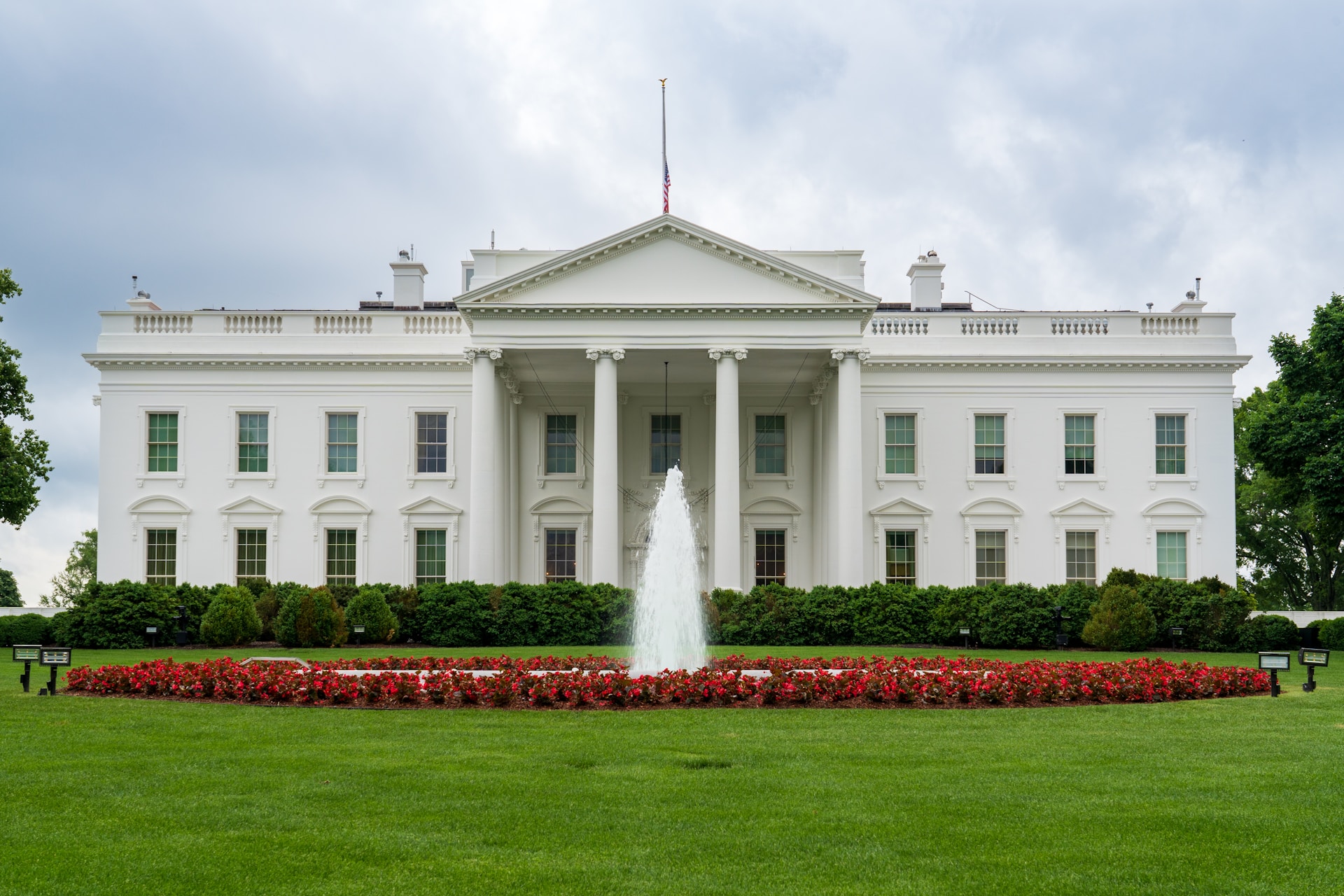
Sources indicate that representatives from major crypto firms, such as Binance and Kraken, were present, alongside influential banking associations. This diverse participation highlights the critical nature of finding common ground in the evolving regulatory landscape.
Key Issues in Stablecoin Legislation
Stablecoins have emerged as vital instruments in the crypto sphere, but their regulation presents unique challenges. Concerns regarding stability and consumer protection have prompted calls for stringent measures. A major point of contention is whether stablecoin issuers should be permitted to offer yields to investors.
- Potential market distortions: Critics argue that allowing yields could skew competition.
- Consumer protection: The need for robust safeguards to protect a rapidly growing user base.
- Banking perspectives: Financial institutions express worries about sustainable practices in stablecoin management.
Many banking voices argue against the notion of digital asset exchanges providing yields, suggesting that it could lead to an imbalance in the financial ecosystem. A proposed alternative suggests a framework where rewards are restricted to specific activities, rather than passive holdings.
Evolving Dialogue: Paths Forward
The meeting’s tone hinted at a willingness to compromise, with officials acknowledging banks’ concerns while trying to foster an innovative environment for crypto. Key representatives expressed optimism for a potential resolution, recognizing the urgency to streamline regulations.
The dialogue also entails assessing the overall impact of stablecoins on traditional banking and consumer behavior. BlackRock, among other financial giants, has recently shared insights into how the evolution of digital currencies could reshape traditional finance.
As various stakeholders engage in discussions, it remains to be seen how flexible either side might be. The potential for new regulations could not only set the stage for stablecoins but also impact the broader cryptocurrency market.