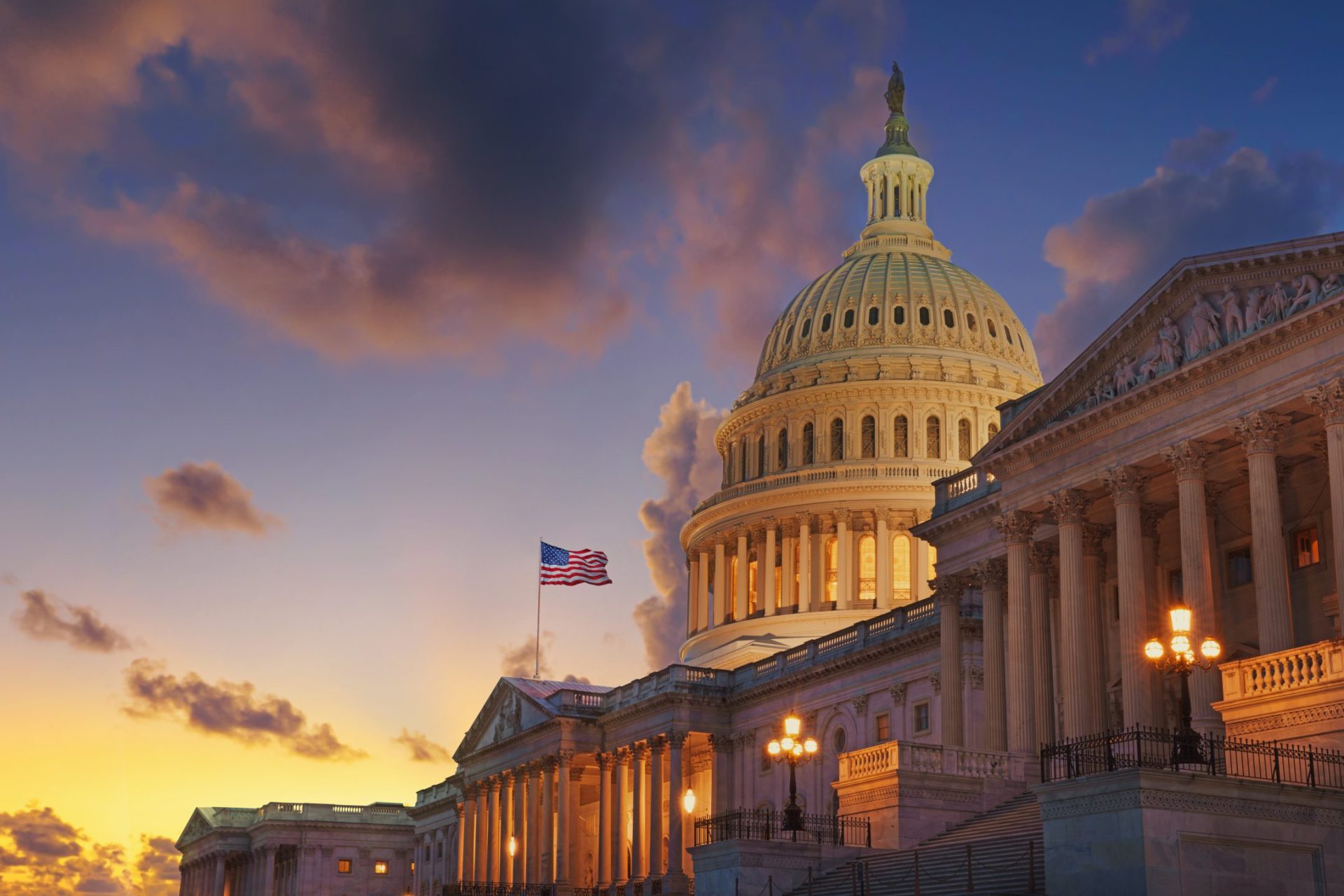
In a significant turn of events, House Republicans were unable to secure enough votes on Tuesday to advance the GENIUS Act alongside a range of cryptocurrency-related bills. The measure failed with a vote count of 196 to 222, resulting in a halt to efforts aimed at establishing a comprehensive federal framework governing stablecoins and related regulatory clarity proposals linked to the annual defense budget.
This political impasse did not go unnoticed in the financial markets, where shares of major cryptocurrency-related companies took a hit. Notably, Circle’s stock dropped nearly 5%, while both Coinbase and MARA Holdings experienced declines of approximately 2%.
A Growing Divide Within Republican Ranks
The voting results revealed a notable fracture within the Republican Party, as over a dozen members broke rank to join Democrats in opposing the proposed rule. This unexpected alliance was attributed to frustrations regarding a lack of transparency about amendments to the bills.
I cast my vote against the Rule for the GENIUS Act because it neglects to ban Central Bank Digital Currency and due to the lack of amendment opportunities. Americans overwhelmingly oppose a government-controlled CBDC.… pic.twitter.com/TweetLink
— Rep. Marjorie Taylor Greene (@RepMTG) July 15, 2025
Frustration was also voiced by lawmakers seeking a more stringent approach to regulate Central Bank Digital Currencies (CBDCs). Greene explicitly criticized Speaker Mike Johnson for not allowing for a more open dialogue on the amendments related to the GENIUS Act.
Senate Unification Faces House Resistance
The genius act had previously gained bipartisan support in the Senate, passing with a 68–30 margin on June 17, 2025. Senators from both parties viewed it as a critical step towards bringing stablecoins under federal oversight.
However, House conservatives remained steadfast in their demand for measures that would prevent the Federal Reserve from launching its own digital currency. This division left Republican leadership scrambling to marshal the necessary votes to advance the legislation.

Controversial Bundling Strategy
In an attempt to facilitate the passage of these crypto measures, House leaders aimed to bundle them with the more politically palatable defense appropriations bill. The strategy sought to leverage the bipartisan support for defense funding to ease the path for the GENIUS Act.
However, the bundling plan faced backlash from multiple fronts. Proponents of defense funding argued for a focused discussion on military expenditures, while advocates for more rigorous cryptocurrency regulation demanded further modifications. Ultimately, the proposed package failed to achieve a vote.
Financial Stakes and Lobbying Efforts
In the backdrop of political turbulence, industry stakeholders have committed at least $245 million to advocate for pro-crypto policies during the current election cycle. Notably, Fairshake, a crypto-focused political action committee, still possesses over $141 million in its war chest for future lobbying engagements as the 2026 midterms approach.
According to Treasury Secretary Scott Bessent, the potential for U.S. stablecoins could soar past $2 trillion if a cohesive federal regulatory framework is put into place. This aligns with former President Trump’s executive order from january, which called for an outright ban on CBDCs in federal operations. These figures highlight the immense stakes involved for an industry desperately seeking regulatory clarity.
Image source from FinancialInsights.com, chart information from dataanalytics.