The White House is set to launch a new initiative addressing the banking industry’s handling of customers who align with political or cryptocurrency interests. An executive order is anticipated to be unveiled shortly, aiming to protect consumers from potential discrimination.
As highlighted in a report by The Independent, this order is expected to direct financial regulators to investigate possible violations of critical consumer protection laws, such as the Equal Credit Opportunity Act and antitrust regulations. The implications for offending banks could range from substantial fines to compliance agreements.
The Rising Tensions Between Banking and Cryptocurrency
Experts in the finance sector have cautioned for years about the challenges faced by cryptocurrency firms when attempting to work with traditional banks. A notable example is the alleged “Operation Chokepoint 2.0” during the Biden administration, which many contend resulted in abrupt account closures without due justification.
BREAKING: Recent reports indicate plans for an executive order targeting banks that discriminate against politically aligned customers.
— Financial News Today (@financenewstoday) April 1, 2023
In the previous year, Coinbase’s CEO, Brian Armstrong, revealed that JPMorgan Chase threatened to terminate accounts linked to major cryptocurrency revenues. Additionally, noted entrepreneur Elon Musk mentioned that numerous tech leaders found themselves cut off from their banking services due to similar policies.
In defense of their choices, banking institutions have contended that their actions are rooted in adhering to anti-money laundering guidelines and managing reputational risks linked to potential fraud.
Trump Aims to Eliminate Banks’ ‘Reputational Risk’ Justification
According to the Wall Street Journal, the forthcoming executive order will instruct federal banking authorities to scrutinize potential infractions of essential laws. The Equal Credit Opportunity Act encompasses safeguarding against biased lending practices.
Moreover, antitrust statutes ensure a level playing field, while consumer protection laws defend against unscrupulous financial activities. Should banks not comply, they may encounter monetary penalties or mandatory consent agreements.
This initiative aims to curb the misuse of compliance regulations as a facade for political discrimination. Furthermore, it could dismantle what critics describe as reputational risk policies that have reportedly resulted in the “debanking” of various clients.
Enforcement Actions and Penalties
According to a report by Reuters, this executive order could be implemented imminently. It grants regulatory bodies the authority to levy fines and consider taking other disciplinary actions. Moreover, the Small Business Administration will evaluate banks that provide SBA loans.
Consequently, banks accused of terminating relationships with specific clientele may face increased oversight and scrutiny. Requests for comments directed to the White House were reportedly not answered, as per Reuters.
The Political Undertones in Banking Decisions
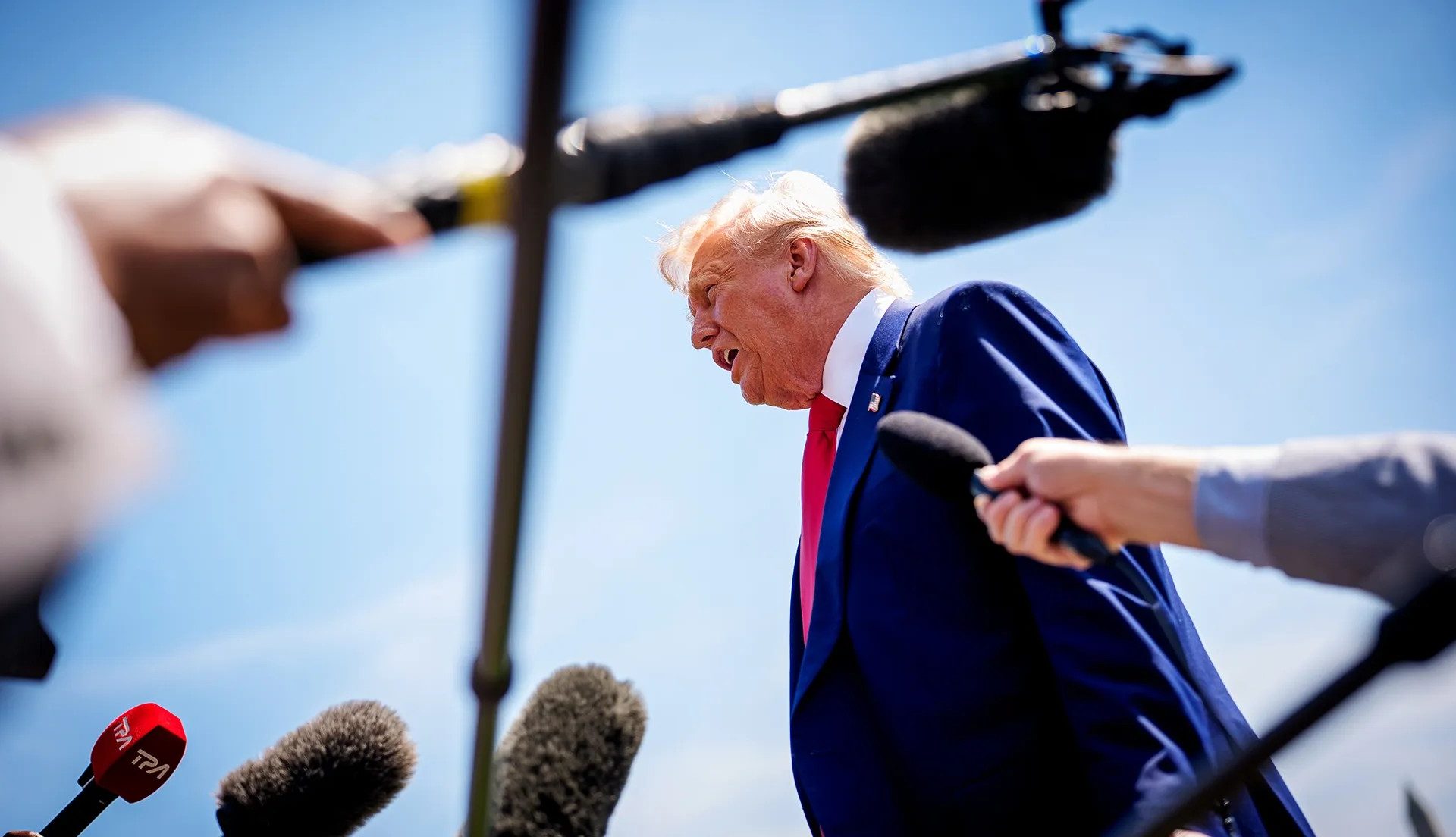
Former President Trump has not held back in his critiques of major banking entities. In early January, he alleged that executives from banks like JPMorgan Chase and Bank of America had systematically rejected conservative customers.
These banks, however, have denied any such allegations. Simultaneously, a rising trend among Republican officials and politicians has denounced what they term “woke capitalism,” asserting that financial institutions are cutting ties with businesses in sectors traditionally viewed as conservative, such as firearms and fossil fuels. This discourse has significantly influenced the focus of the proposed executive order.
Featured image from Andrew Harnik/Getty Images, chart via TradingView.