The landscape of digital finance continues to transform, yet doubts linger over specific blockchain projects. Recently, Caitlin Long, CEO of Custodia Bank, presented a critical evaluation of Ripple and its native asset, XRP, during a discussion on the Gold Goats ‘n Guns podcast. Her remarks ignited conversations about the project’s authenticity and future in the investment arena, stating emphatically, “It’s not going to dominate; if it were meant to, it would have done so by now.”
Intense Critique of Ripple and XRP
The dialogue kicked off with the rising expectation that Ripple might be endorsed by authorities to support tokenized financial innovations. Long, however, dismissed this notion, asserting that such speculation exaggerates the network’s significance in the fintech sphere.
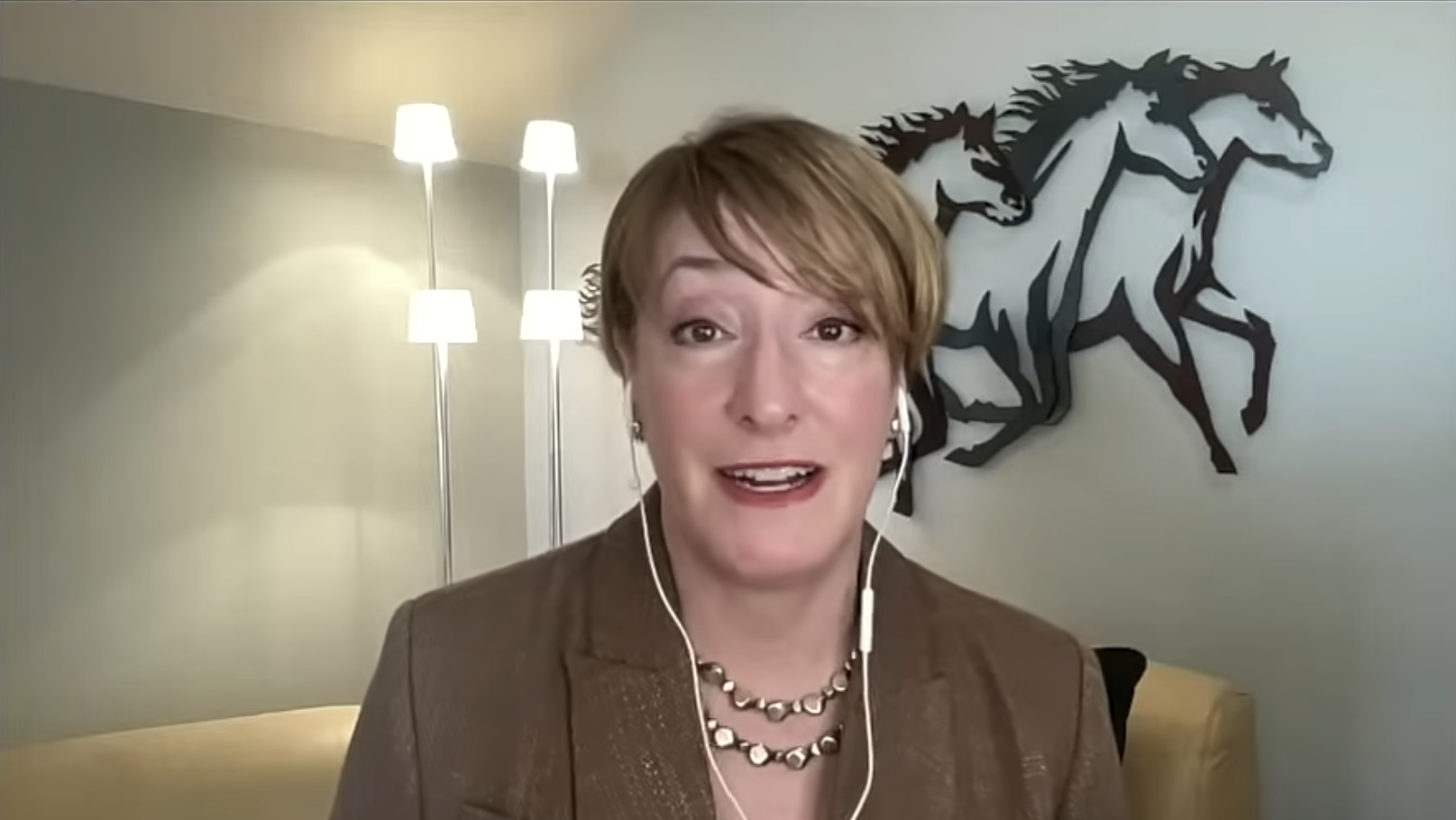
She expressed skepticism regarding Ripple’s foundational structure: “The banking sector has historically viewed it with distrust,” citing the project’s centralized design and problematic economic model. “Ripple operates on a central network, and its economic strategies are flawed.” Long challenged the sustainability of XRP’s supply model, which she claims emerged from extensive pre-mining and initial fundraising that, she argues, irreparably tainted trust among institutional investors. “Those who capitalized early will always be viewed with suspicion, prompting concerns that any of their actions may be a ploy to offload their holdings onto unsuspecting retail investors.”
In her eyes, Ripple’s disadvantages are stark when compared to Bitcoin and Ethereum. “The most trustworthy tokenization platforms are those that required minimal upfront funding,” she elaborated, identifying Bitcoin and Ethereum as notable examples.
Long also viewed Ripple’s recent strategic turn towards launching a regulated stablecoin as indicative of missed opportunities. “Rather than pushing their services to banks, they’re opting to create their stablecoin through regulated entities,” she stated. “This signals, in a way, that their initial blockchain didn’t attract the engagement they anticipated.”
Her assertions reflect ongoing developments at Ripple, which seeks to penetrate institutional markets, including efforts to secure a U.S. banking charter and produce a U.S. dollar-pegged stablecoin. While some herald these actions as evidence of strategic growth, Long characterized them as a fallback, highlighting that the original vision of being a core technology for interbank transactions has not been achieved. “The concept of replacing SWIFT through their foundational network isn’t on the horizon,” she stated.
Additionally, she commented on the ongoing legal hurdles Ripple has faced, specifically the SEC’s protracted lawsuit accusing it of conducting an unregistered securities offering. “This impeded their progress,” she acknowledged, adding that Ripple isn’t alone in feeling the effects of the Biden administration’s stringent regulatory policies: “The fallout has impacted various players in the crypto space, albeit to different extents.”
When queried about which blockchain the U.S. Treasury would likely select for tokenizing government securities, Long replied decisively: “Ripple is not the pick. Ethereum will be the primary choice. Bitcoin might enter the conversation, but its second-layer solutions aren’t ready for prime time.” She cited Ethereum’s advanced technical capabilities as the key motivating factor behind this prediction.
Reactions from the XRP Community
The XRP community reacted rapidly and passionately. Notable advocate Crypto Eri labeled Long’s comments as “ugly tribalism,” asserting that she conflated the fundamental differences between Ripple and the XRP Ledger, and failed to recognize the distinction between a centralized corporate entity and the decentralized ledger itself. “The broader blockchain community should be concerned,” she opined.
Another vocal XRP supporter, Digital Asset Investor, tagged Ripple executives, maintaining that the enterprise will attain regulatory advancements. Ashley Prosper further speculated that Long’s criticisms might stem from her frustration with Custodia Bank not yet obtaining a Federal Reserve master account: “Perhaps she’s disgruntled that Ripple may secure their Fed master account ahead of Custodia Bank.”
However, Long’s critique was not haphazard; it stemmed from her extensive evaluation of what constitutes sound blockchain infrastructure. For her, fundamental elements such as trust, decentralization, and enduring neutrality are essential—and XRP, in her assessment, inadequately addresses these factors.
“Ripple has been operating longer than many others and has yet to achieve meaningful advancements,” Long remarked succinctly. “It’s that straightforward.”
At the time of writing, XRP was trading at $2.94.