The recent nomination of Dr. Stephen Miran to the Federal Reserve Board signifies a pivotal moment in the integration of modern financial technologies like Bitcoin within U.S. monetary policy. This move, brought forth by President Donald Trump, could reshape the dynamics at the Federal reserve through January 31, 2026, subject to Senate approval. Miran steps into this role following the resignation of Governor Adriana Kugler, just as discussions about the future of Fed leadership and policy evolve.
Miran’s extensive background encompasses both financial markets and economic policy. Before taking on the role of chair for the Council of Economic Advisers, he worked within the Treasury during the pandemic and has a history in macro investing. His recent writings advocate for significant reforms in the governance of the Federal Reserve, emphasizing the need to curtail “groupthink” and “unwarranted monetary easing.” In a notable 2024 report published by the Manhattan Institute, he and his co-authors proposed several fundamental changes to enhance democratic accountability, such as limiting board terms and ensuring congressional oversight of the Fed’s budget.
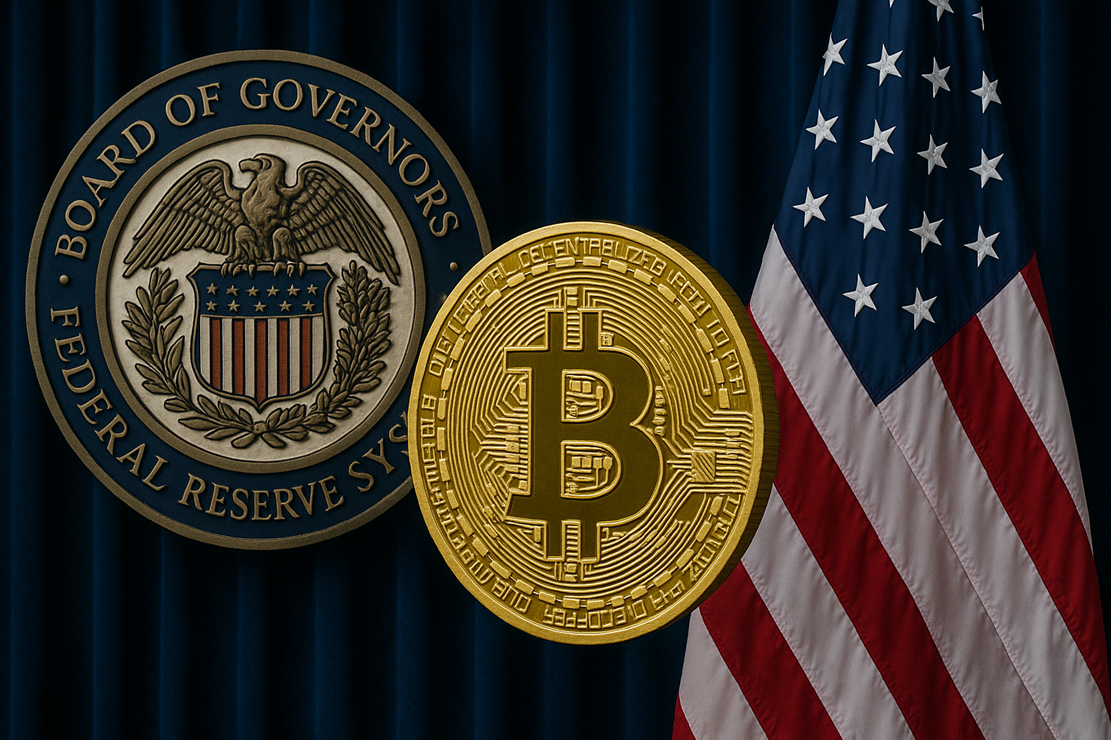
Market analysts are now deciphering the implications of Miran’s appointment for upcoming monetary policies. While his term is relatively short and overlaps with only a few Federal Open Market Committee (FOMC) meetings, the implications of his nomination carry substantial weight, especially at a time when the administration is advocating for lower interest rates and a reformulated Fed structure following Jerome Powell’s anticipated exit in May 2026.
Miran has frequently critiqued the Federal Reserve’s response to the economic fallout from the pandemic, particularly its monetization strategies, arguing that the Fed’s focus on inflation as merely “transitory” was misguided. He has also articulated his views on rebalancing the international monetary order and the potential role of tariffs to adjust global financial burdens—positions aligning closely with the administration’s economic framework.
Miran’s Connection to Bitcoin and Financial Deregulation
The appointment has not gone unnoticed in the Bitcoin community. Miran has previously echoed the sentiment that “Bitcoin fixes this,” a phrase that has gained traction among cryptocurrency enthusiasts. His social media posts from August 2023 and January 2022 indicating support for Bitcoin have been circulated widely, highlighting a surprising intersection of traditional finance with cryptocurrency advocacy.
In discussions about the future of financial regulation, Miran has expressed a belief in the role of financial innovation, particularly noting crypto’s potential in boosting economic expansion. In a December 2024 conversation on The Bitcoin Layer, he discussed the importance of deregulation for fostering innovation in the financial sphere, credibly linking cryptocurrency with a broader growth agenda.
Feedback from the social media sphere was instantaneous. Influential figures within the Bitcoin realm hailed Miran’s nomination, with many seeing it as a breakthrough for crypto representation in federal policy. Comments on platforms like X (formerly Twitter) highlight excitement and curiosity regarding how his views may influence monetary policy moving forward.
Miran’s academic and professional trajectory suggests that he will advocate for both governance reforms and a review of the Fed’s operational scope. He firmly believes in establishing clear boundaries between fiscal and monetary responsibilities, a position reiterated in his Manhattan Institute report proposing significant institutional reforms at the Fed. Key proposals include clarifying the authority of presidential removals and enhancing the power of Reserve Banks, which could significantly impact the Federal Reserve’s structure.
Looking ahead, the timeline for Miran’s potential seat is clear yet complex. He would assume the position for the remainder of Kugler’s term, ending on January 31, 2026, although his actual influence may be limited due to the impending leadership changes at the Fed. As Powell’s term concludes on May 15, 2026, and with traditional protocols dictating ahead-of-time signals for new chair selections, Miran’s nomination might be just the beginning of a broader strategic rearrangement within the Federal Reserve.
At the time of this writing, Bitcoin is priced at an intriguing $116,550, reflecting the vigorous interest and speculation surrounding its place in the future of global finance.