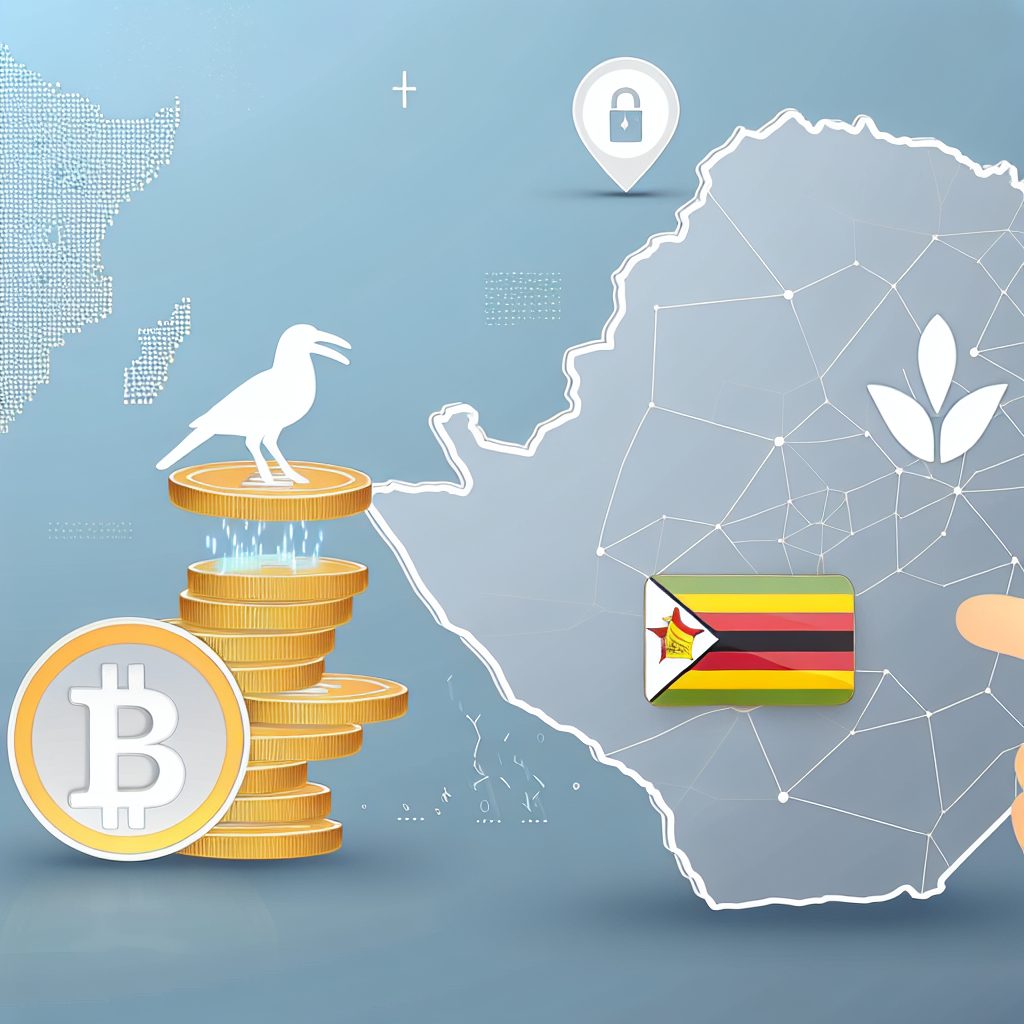
Stablecoins have emerged as a vital component of the cryptocurrency ecosystem, providing a bridge between traditional fiat currencies and the volatile world of cryptocurrencies. In Zimbabwe, where economic instability has historically plagued the local currency, stablecoins offer a promising alternative for individuals and businesses alike. This guide will delve into the various aspects of using stablecoins in Zimbabwe, including their benefits, how to acquire them, and practical applications.
Understanding Stablecoins
Stablecoins are cryptocurrencies designed to maintain a stable value by pegging them to a reserve of assets, typically fiat currencies like the US dollar or commodities like gold. This stability makes them an attractive option for users looking to avoid the price volatility commonly associated with cryptocurrencies like Bitcoin or Ethereum.
There are several types of stablecoins, including:
- Fiat-collateralized stablecoins: These are backed by a reserve of fiat currency, ensuring that each stablecoin is redeemable for a specific amount of the underlying asset.
- Crypto-collateralized stablecoins: These are backed by other cryptocurrencies, often over-collateralized to account for price fluctuations.
- Algorithmic stablecoins: These use algorithms to control the supply of the stablecoin, adjusting it based on demand to maintain its peg.
The Importance of Stablecoins in Zimbabwe
Zimbabwe has faced significant economic challenges, including hyperinflation and currency devaluation. As a result, many citizens have turned to alternative financial solutions, including cryptocurrencies. Stablecoins can play a crucial role in this context for several reasons:
- Preservation of Value: Stablecoins can help individuals preserve their wealth in a stable asset, protecting them from the devaluation of the Zimbabwean dollar.
- Access to Global Markets: By using stablecoins, Zimbabweans can access international markets and participate in global trade without the limitations imposed by local currency restrictions.
- Remittances: Stablecoins can facilitate cheaper and faster remittances, allowing Zimbabweans abroad to send money home without incurring high fees.
How to Acquire Stablecoins in Zimbabwe
Acquiring stablecoins in Zimbabwe can be done through various methods. Here are some of the most common ways:
1. Cryptocurrency Exchanges
Many cryptocurrency exchanges allow users to buy stablecoins directly using fiat currency or other cryptocurrencies. Some popular exchanges that operate in Zimbabwe include:
- Binance: One of the largest cryptocurrency exchanges globally, Binance offers a wide range of stablecoins, including USDT (Tether) and BUSD (Binance USD).
- Coinbase: A user-friendly platform that allows users to buy, sell, and store various cryptocurrencies, including stablecoins.
- Kraken: Known for its security features, Kraken offers a variety of stablecoins and allows users to trade them against fiat currencies.
To use these exchanges, users typically need to create an account, complete identity verification, and deposit funds before purchasing stablecoins.
2. Peer-to-Peer (P2P) Platforms
P2P platforms enable users to buy and sell stablecoins directly with one another, often without the need for a centralized exchange. Some popular P2P platforms include:
- LocalBitcoins: A well-known P2P platform that allows users to trade Bitcoin and stablecoins directly with each other.
- Paxful: Similar to LocalBitcoins, Paxful offers a marketplace for users to buy and sell cryptocurrencies, including stablecoins.
- Binance P2P: Binance also offers a P2P trading platform where users can buy and sell stablecoins directly.
When using P2P platforms, it’s essential to conduct due diligence on the trading partner and use escrow services to ensure a secure transaction.
3. Crypto ATMs
Cryptocurrency ATMs are another option for acquiring stablecoins. While their availability in Zimbabwe may be limited, they provide a convenient way to purchase cryptocurrencies using cash or debit cards. Users can find nearby crypto ATMs using online maps or directories.
Storing Stablecoins Safely
Once you have acquired stablecoins, it’s crucial to store them securely. Here are some storage options:
1. Wallets
Stablecoins can be stored in various types of wallets:
- Hot Wallets: These are online wallets that are connected to the internet, making them convenient for quick transactions. However, they are more vulnerable to hacks.
- Cold Wallets: These are offline wallets, such as hardware wallets or paper wallets, providing enhanced security against online threats.
2. Exchange Wallets
Many exchanges offer built-in wallets for users to store their cryptocurrencies. While convenient, it’s advisable to transfer stablecoins to a personal wallet for added security.
Using Stablecoins in Daily Transactions
Stablecoins can be utilized in various ways in Zimbabwe, enhancing financial flexibility and accessibility. Here are some practical applications:
1. Online Purchases
Many online merchants and service providers accept stablecoins as a form of payment. This allows users to make purchases without converting their stablecoins back to fiat currency, saving on transaction fees.
2. Remittances
Stablecoins can facilitate cross-border remittances, allowing Zimbabweans abroad to send money home quickly and at a lower cost compared to traditional remittance services.
3. Investment Opportunities
Investors can use stablecoins to participate in decentralized finance (DeFi) platforms, earning interest on their holdings or providing liquidity to various protocols.
Regulatory Considerations
The regulatory landscape for cryptocurrencies, including stablecoins, is continually evolving in Zimbabwe. It’s essential to stay informed about local regulations and compliance requirements to avoid potential legal issues.
As of 2025, the Reserve Bank of Zimbabwe has expressed interest in regulating cryptocurrencies, which may impact how stablecoins are used and traded in the country. Users should keep abreast of any developments and ensure they comply with local laws.
Challenges of Using Stablecoins in Zimbabwe
While stablecoins offer numerous benefits, there are also challenges to consider:
- Internet Access: Limited internet access in some regions can hinder the ability to use stablecoins effectively.
- Volatility of Underlying Assets: Although stablecoins are designed to maintain a stable value, the underlying assets can still experience volatility, impacting their effectiveness.
- Regulatory Uncertainty: The evolving regulatory landscape may pose challenges for users and businesses looking to adopt stablecoins.
FAQs
What are the most popular stablecoins used in Zimbabwe?
The most popular stablecoins in Zimbabwe include USDT (Tether), USDC (USD Coin), and BUSD (Binance USD). These stablecoins are widely accepted and can be easily traded on various platforms.
How can I convert my stablecoins back to Zimbabwean dollars?
You can convert stablecoins back to Zimbabwean dollars through cryptocurrency exchanges or P2P platforms that support fiat withdrawals. Ensure you check the fees and exchange rates before proceeding.
Are stablecoins safe to use?
While stablecoins are generally considered safer than volatile cryptocurrencies, they are not without risks. Users should conduct thorough research and use secure wallets to mitigate potential threats.
Can I earn interest on my stablecoins?
Yes, many DeFi platforms allow users to earn interest on their stablecoin holdings by providing liquidity or participating in lending protocols.
Conclusion
Stablecoins present a unique opportunity for individuals and businesses in Zimbabwe to navigate the challenges posed by economic instability. By understanding how to acquire, store, and use stablecoins effectively, users can leverage these digital assets to enhance their financial well-being. As the regulatory landscape continues to evolve, staying informed and compliant will be crucial for maximizing the benefits of stablecoins.
For more insights and updates on the cryptocurrency industry, visit Bitrabo, your trusted source for crypto news, airdrops, and new listings alerts. Follow us on X, Instagram, Threads, Facebook, and LinkedIn for the latest updates.
Disclaimer: The information provided in this article is for informational purposes only and should not be considered financial advice. Always conduct your own research and consult with a financial advisor before making investment decisions.