In light of the evolving digital asset landscape, discussions are intensifying around the regulatory frameworks impacting banks’ exposure to cryptocurrencies, particularly Bitcoin. Recent comments by industry leaders underscore the pressing need to reassess how these assets are treated under current capital requirements.
An alarming statistic highlighted was the prohibitively high risk-weight assigned to Bitcoin, which raises crucial questions about the future engagement of banks with digital currencies. As outlined in recent communications, traditional banking assets like cash and government bonds are significantly favored, creating a disparity that challenges the viability of crypto investments.

The Regulatory Challenge for Banks
Leading voices in the financial sector assert that the discrepancy in risk assessments represents a fundamental issue. With current regulations, cryptocurrencies face an excessive capital charge that discourages banks from participating in this burgeoning market. Experts argue that adjusting these rules is essential for fostering innovation.
One prominent figure brought attention to the contrast between crypto assets and safer investments. For instance, the risk weight assigned to Bitcoin stands at a staggering 1,250%, dwarfing that of gold and cash at 0%. Such disparities clearly affect the willingness of banks to explore cryptocurrency engagement.
- Cash and Central Bank Reserves: 0%
- Gold: 0%
- US Treasuries: 0%
- Corporate Debt: 20%–75%
- Bitcoin: 1,250%
Leading analysts stress that the current framework not only imposes financial burdens on banks but also stifles the potential growth of the cryptocurrency sector. This capital-heavy approach effectively hinders banks from providing essential services like custody and trading integration for digital assets.
Furthermore, the implications could reach far beyond domestic banks. If financial institutions are dissuaded from engaging in crypto activities, more transactions may shift towards unregulated platforms, increasing risks associated with fraud and market instability. This shift could undermine the promise of secure and efficient transaction methods that cryptocurrencies offer.
Industry experts believe that by recalibrating the risk weights assigned to digital assets, regulators could better align with the evolving financial landscape and its technologies. These changes would enhance compliance while encouraging banks to support crypto-related initiatives. The future of banking in the digital asset space may very well depend on the willingness of regulators to revisit current standards.
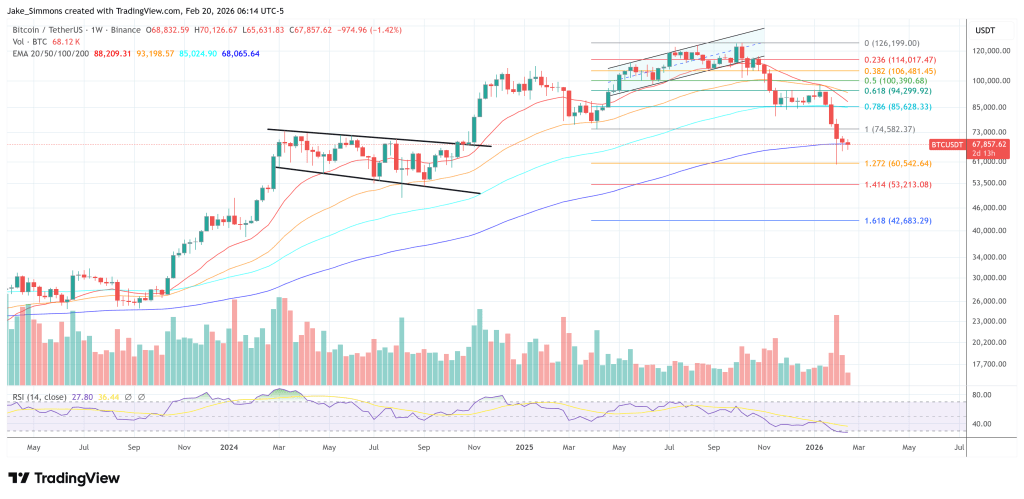
As discussions continue, stakeholders remain vigilant regarding Bitcoin values, which recently were noted at around $67,857, amidst ongoing regulatory debates.