In a significant move, authorities in Argentina have executed a comprehensive blockade of Polymarket, a popular platform for predicting market trends, particularly related to inflation data.
Is It a Legitimate Measure?
Reports from local media indicate that a court in Buenos Aires has mandated this national blockade. The order will be carried out with the assistance of the Ente Nacional de Comunicaciones (ENACOM) and various internet service providers. This action extends to the removal of the app from major platforms like Google Play and Apple’s App Store. The impact of this blockade will reach even existing Polymarket users, as stated by another source.
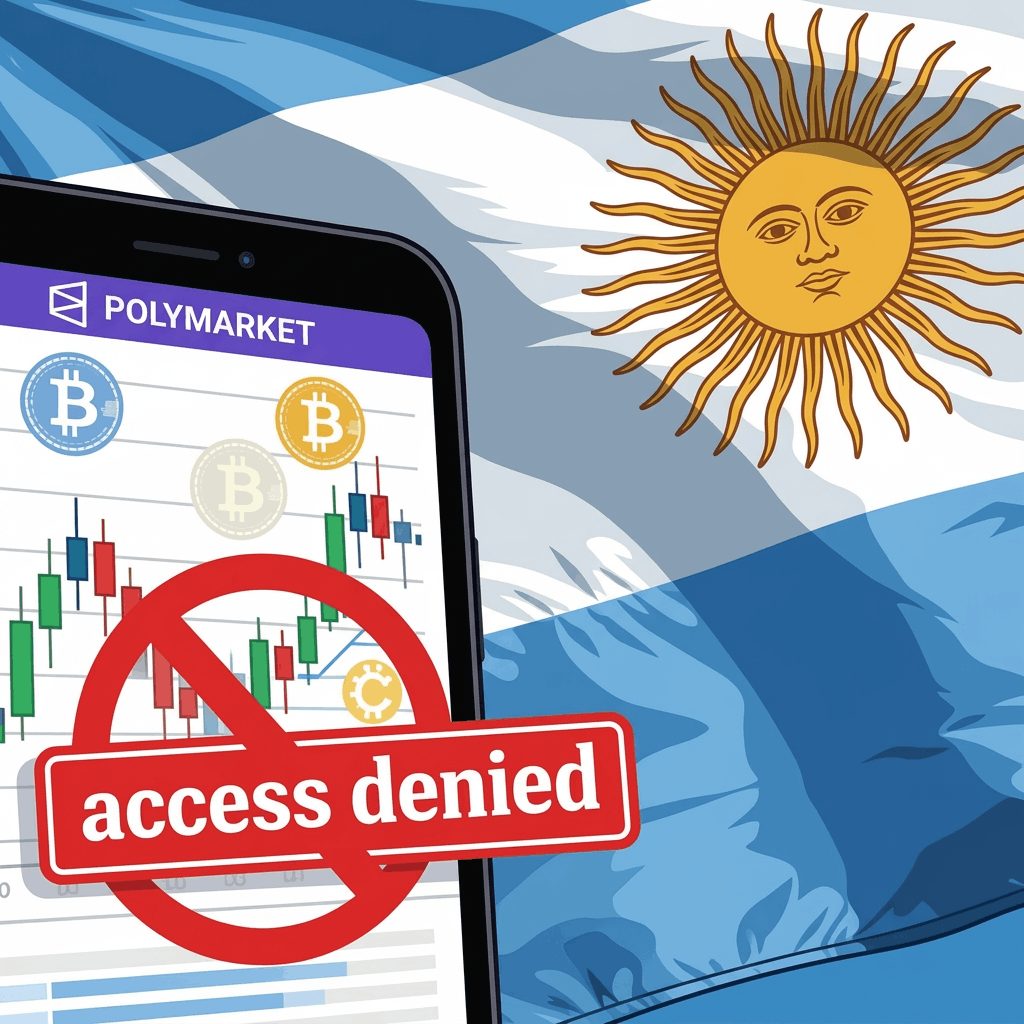
The regulators overseeing Buenos Aires Lottery operations claim that Polymarket functions as an illegal gambling platform masquerading as a prediction market. This accusation prompted legal action from the City’s Special Prosecutor’s Office for Gambling, under Judge Susana Parada’s oversight.
According to the Public Prosecutor’s Office, the actual enforcement of the blockade hinges on notification to ISPs by ENACOM, which likely means implementation will happen progressively.
A Spectrum of Concerns Surrounding Market Predictions
This decisive ruling follows notable suspicions of irregular trading patterns observed during a major inflation market incident in February. Allegations of insider trading began circulating when market odds shifted dramatically just before INDEC published official CPI figures.
Unnoticed scandal: sensitive inflation data leaked before official release, revealing clear manipulation in online betting. pic.twitter.com/Nf0Zw7LuvM
— Andres Lerner (@andreslerner90) March 12, 2026
Local media have dubbed the platform a “degen casino,” asserting it allows users to engage in peso-based bets on economic data, elections, and significant political events without any regulatory oversight or identity validation. According to Clarín, the essence of Polymarket lies in betting on binary questions with monetary stakes:
This platform brands itself as a prediction market; however, it functions largely as a betting outlet, gaining traction during the pandemic and the heated election contest between Donald Trump and Kamala Harris, where many found betting offered more reliable outcomes than traditional polling.
A Reflection of a Broader Global Movement
While many view Argentina as pioneering this approach, it is important to recognize that Colombia took similar steps last year by banning Polymarket entirely. In September 2025, Coljuegos, the domestic gambling authority, declared the platform unauthorized and proceeded to instruct ISPs to cut off access.
Second, Colombia has prohibited this platform for months. @Fecoljuegos has advocated for its ban, and @Coljuegos has acted accordingly.
This unfortunate decision limits access to critical information for decision-making, leaving both Colombians and Argentinians in the dark. (Unless… )
— Mauricio Tovar
(@maurotov) March 16, 2026

As a side note, prediction markets have emerged as a favored method for global traders to assess political risks, economic benchmarks, and macroeconomic shifts in real-time, frequently preceding official reports. Historically, clashes between Polymarket and regulatory authorities have been documented across various countries, including colombia, France, Taiwan, and Singapore, alongside regulatory pressure from the U.S. regarding unregistered financial instruments.
Argentina’s current actions symbolize a rising trend wherein regulators worldwide classify crypto prediction tools predominantly as gambling mechanisms instead of legitimate market instruments. This classification could result in a dilution of market liquidity and push trading activity toward less regulated environments.
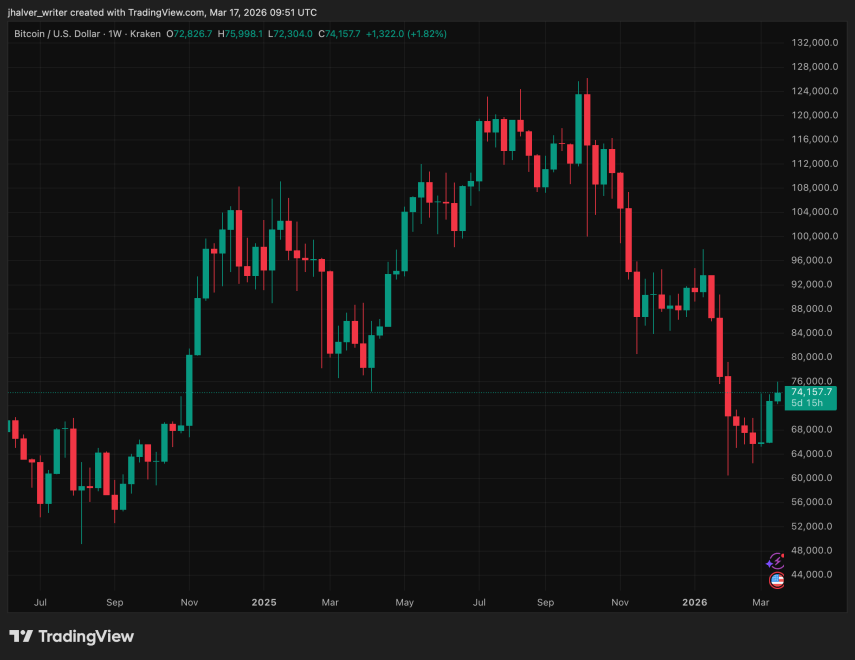
Image from Perplexity, BTCUSD chart provided by Tradingview