The landscape of financial regulation is evolving rapidly, especially with the rise of cryptocurrencies. As technology progresses, regulatory bodies are working to stay ahead and effectively manage this new wave of digital assets.
SEC’s Focus on Innovative Financial Technologies
Recently, discussions among SEC leaders have spotlighted the importance of cryptocurrencies and the agency’s commitment to formulating regulations that encourage innovation. This aligns with the broader vision of establishing the U.S. as a leader in the global cryptocurrency market.
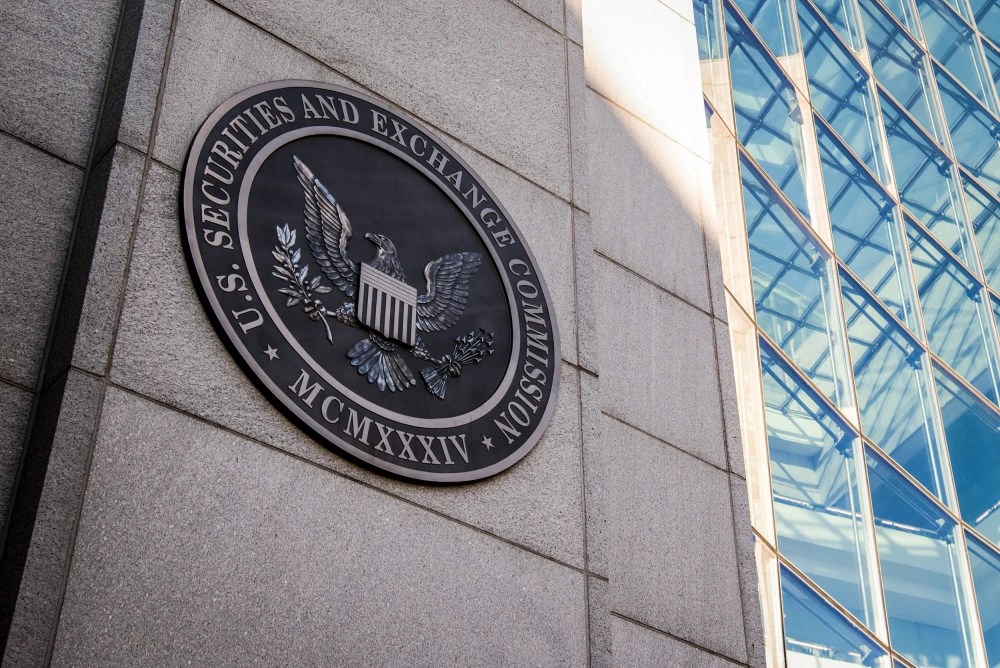
In an exclusive session, SEC Chairman highlighted the necessity of striking the right balance between regulation and innovation. “We prioritize understanding cryptocurrency dynamics to create effective regulation,” he stated.
One of the Commissioners emphasized that the aim of a clearer regulatory environment would not only protect investors but also foster an atmosphere conducive to the development of new technologies.
This strategic approach is essential, as the evolving nature of cryptocurrencies presents unique challenges that traditional financial regulations may not adequately address. By embracing innovation, the SEC can better navigate the complexities of digital assets.
“Openness to innovation ensures that our financial systems meet the needs of a diverse populace,” the Commissioner remarked, stressing the importance of adaptability in regulations.
Establishing comprehensive regulations will streamline oversight, allowing us to focus on detecting malpractice while not stifling transformative advancements within the industry.
Navigating the Evolving Regulatory Landscape
While the SEC is taking sophisticated steps, it acknowledges the lack of a cohesive framework for spot trading of cryptocurrencies. The interaction with other regulatory bodies, like the Commodity futures trading Commission (CFTC), is crucial for addressing these gaps.
Recently released guidelines shed light on critical aspects of cryptocurrency regulation, elaborating on how custody of digital assets should be managed by broker-dealers and retail investors. Joint efforts by the SEC and CFTC aim to clarify which regulations govern various digital assets, significantly influencing investor confidence.
In a collaborative effort, both agencies launched Project Crypto, focusing on unifying the regulatory approach, clarifying jurisdictions, and minimizing compliance burdens that companies face.
This partnership aims to ensure that resources are allocated efficiently to avoid overlapping responsibilities, streamlining the regulation process across interconnected markets.
The ongoing discussions about delineating authority between the SEC and CFTC are crucial, especially as Congress works on pivotal legislation intended to codify these regulations, commonly referred to as the CLARITY Act.
As articulated by the SEC Chairman, this juncture marks a significant moment in U.S. financial history, laden with opportunities for fostering an environment that supports both innovation and security in the rapidly changing landscape of cryptocurrency.