The Polish government is once again at a crossroads regarding cryptocurrency legislation, reflecting a greater struggle between innovation and regulation in the financial landscape. Recent events have highlighted the tense relationship between lawmakers and the presidency, as debates continue over how best to regulate digital assets.
Continued Conflict Over Cryptocurrency Legislation in Poland
Recent reports indicate that the Polish Parliament’s attempts to pass the Crypto Asset Market Act have hit another roadblock. According to official sources, the lower house, known as the Sejm, has struggled to reach the necessary consensus to overturn a presidential veto. The backdrop to this struggle involves President Karol Narcowski’s concerns about overregulation and the potential impact on the country’s small businesses, concerns echoed during earlier legislative sessions.
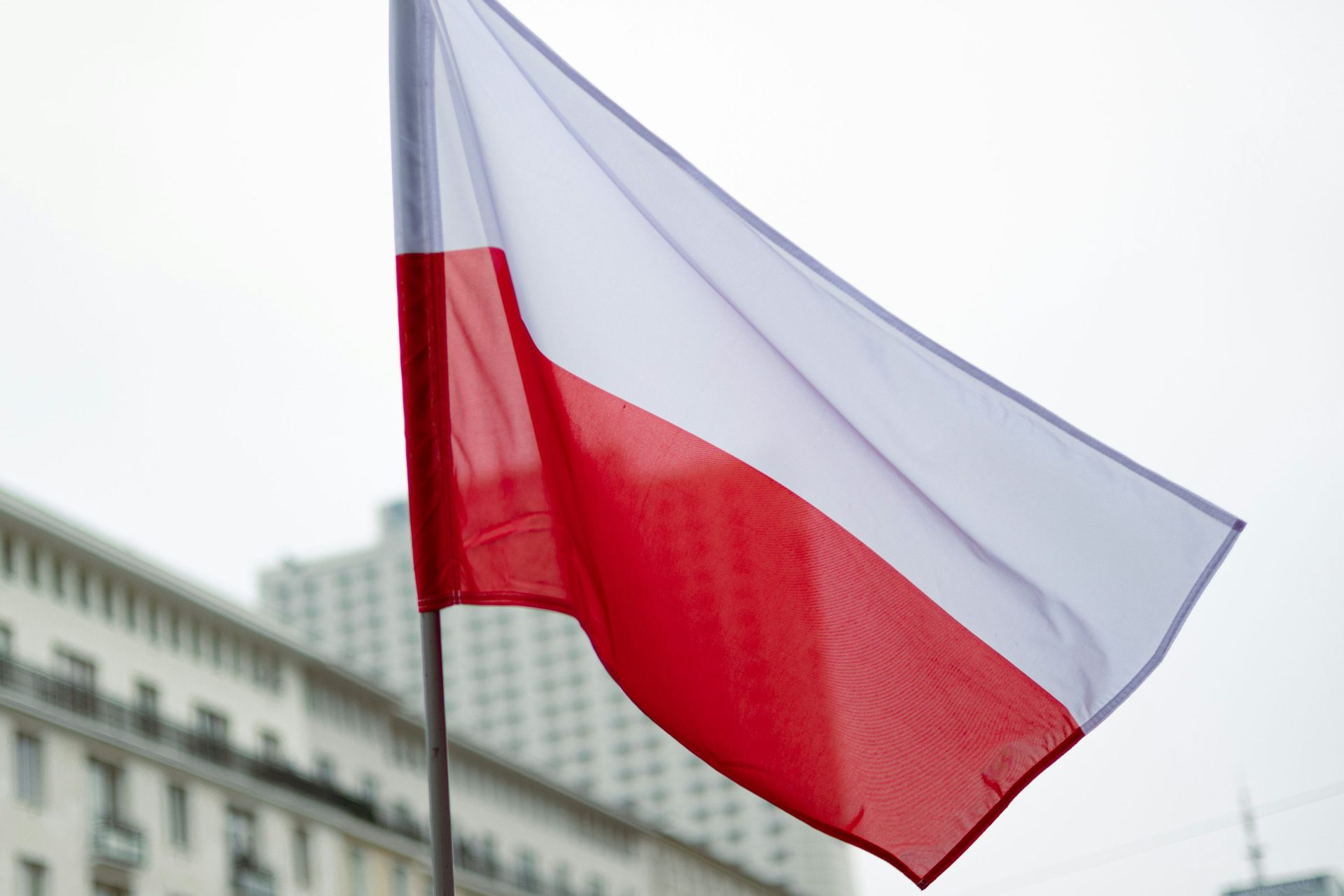
Initial vetoes were put in place late last year, with this recent attempt to revive the bill being met with similar resistance. Lawmakers, now led by Prime Minister Donald Tusk, sought to push through legislation that would align Poland’s regulations with broader EU standards, specifically the European Union’s MICA framework aimed at establishing a comprehensive regulatory environment for digital assets.
Despite gathering support, the parliamentary vote saw 191 members in favor of lifting the veto but ultimately fell short of the required 263 votes. President Narcowski reiterated fears that such a framework could undermine personal freedoms and the overall stability of the state.
Responses from Polish Political Leaders
The failed override attempt has sparked varying reactions among Polish officials and industry stakeholders.
- Finance Minister Andrzej Domański has voiced strong criticisms towards the president’s decision. He emphasized that the lack of contemporary regulations leaves the market vulnerable to fraud, diminishing safe investment opportunities for Polish citizens.
- Prime Minister Tusk has raised serious allegations against Poland’s major exchange, Zondacrypto, suggesting it has ties to foreign influences, including claims of connections to Russian intelligence.
This narrative casts a shadow over discussions about cryptocurrency, with Tusk highlighting concerns that external interests may be steering domestic policies. He has aimed to clarify the potential political implications of such affiliations, noting that the CEO of Zondacrypto has been linked to financial contributions to opposition candidates.
Interior Minister Marcin Kierwiński has emphasized the need for persistent dialogue around cryptocurrency legislation, aiming to build awareness of the complexities involved.
The current impasse provides a crucial moment for reflection on how Poland can successfully navigate the rapidly evolving digital asset landscape. With stakeholders divided and the future of crypto in Poland hanging in the balance, ongoing efforts are essential to reach a resolution that balances innovation with appropriate safeguards.