In a significant move, the Russian government has put forth a proposal aimed at regulating the cryptocurrency landscape within its borders more strictly.
Severe Penalties for Non-Compliant Crypto Activities
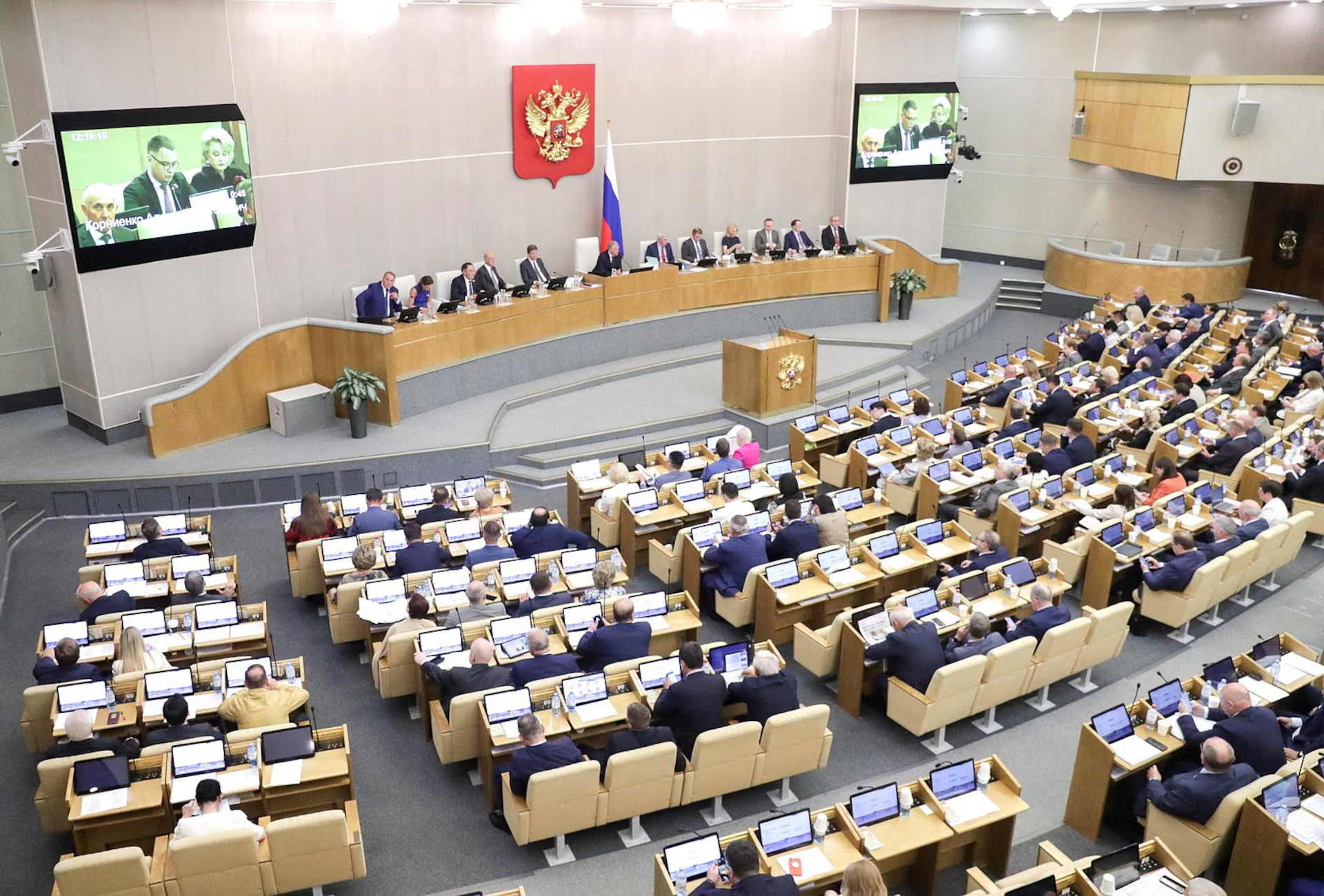
A new initiative, brought before the State Duma, seeks to impose legal repercussions for individuals and businesses that operate cryptocurrencies and digital assets without the required approvals from the central bank of Russia. This bill signifies a major step toward a regulated digital asset environment.
The explanatory note of the bill outlines:
This legislation proposes to introduce criminal charges for conducting business involving digital currency circulation without appropriate registration or where a special license is mandated.
If enacted, offenders could face penalties reaching $4,000 in fines, along with potential prison sentences extending up to four years. Furthermore, individuals who operate as part of an organized collective or cause significant financial loss could see stricter consequences, potentially facing up to seven years in custody for serious infractions. The legislation emphasizes that organized crime in this sector carries heavier penalties.
Should this legislation be enacted, investigations into any breaches would be handled by the Investigative Committee in conjunction with the Federal Security Service (FSB). Despite the urgency of this proposed law, the Supreme Court has raised concerns regarding the justification of the criminal penalties suggested for illegal cryptocurrency activities.
Continuing the Push for Crypto Regulation in Russia
This recent legislative effort is part of a broader trend seen in March, where a string of bills was introduced that included punitive measures against unauthorized crypto mining and mining infrastructure operators. Additionally, new regulations have been enacted to ensure retail access is mediated exclusively through licensed intermediaries.
According to reports, non-qualified retail investors now face an annual limit on purchases, restricted to approximately ₽300,000, which translates to around $3,700, within authorized channels. In contrast, individuals classified as “qualified” must undergo assessments and will only be permitted to transact through recognized platforms. Furthermore, a significant stipulation prohibits banks from facilitating transactions with unregistered foreign entities.
While these emerging regulations might clarify the regulatory framework surrounding cryptocurrencies, skepticism persists in the crypto community about the stringent measures being adopted in Russia.