Recent developments surrounding the XLS-66 amendment have caught the attention of many in the cryptocurrency community. This initiative is set to reshape the way XRP holders can generate yields on their investments as validators on the XRP Ledger gear up for decisive voting.
Unlocking Yield Potential for XRP Investors via XLS-66
According to insights shared by crypto analyst James, those invested in XRP should realize that the XLS-66 amendment is far from a simple interest-earning endeavor. Instead, it introduces a sophisticated lending framework where the accrual of yields takes place within a comprehensive single-asset vault. Investors can only realize these yields upon redeeming their assets, adding a layer of strategic decision-making.

In this structure, XRP holders will not receive conventional dividends. They will, however, obtain a Multi-Participation Token (MPT) linked to their original deposit. As time progresses, these MPT tokens appreciate in value. Importantly, borrowers in this ecosystem include major financial entities such as banks and fintech companies, not individual retail investors, ensuring that capital is circulated among reputable institutions.
By facilitating this lending process through transparent on-chain pools, investors can diversify their risk while earning periodic returns. The redeem-and-deploy mechanism effectively balances risk and reward, allowing users to withdraw funds without being permanently locked into the system.
Understanding the Vault Mechanism
Influencer Bodhi has also elaborated on the operational aspects of the XLS-66 amendment. As borrowers fulfill their loan obligations, they repay both principal and interest, with the interest reinvested back into the vault. This reinvestment naturally boosts the vault’s XRP reserves, contributing to an increase in each MPT’s redemption value over time.
The lending process relies on an integrated LoanBroker, which aggregates XRP assets and facilitates loans ranging from 30 to 180 days. Notably, these loans are uncollateralized, meaning there is no requirement for borrowers to place collateral on the blockchain. Instead, traditional credit underwriters evaluate borrower eligibility off-chain, streamlining the lending procedure.
Fig, a prominent figure at Squid’s UNL validator, confirmed their support for the XLS-66 amendment. He emphasized the amendment’s strength lies in its approach, keeping complex credit assessments outside of the blockchain, a move he considers innovative. This strategy reflects a modern take on decentralized finance (DeFi) that is becoming increasingly popular.
He commented on previous attempts by DeFi protocols to establish fully automated systems for interest calculation and credit management via smart contracts, noting that such systems are often susceptible to manipulation and cyber threats.
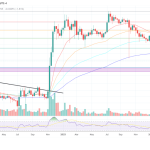
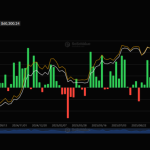
As of now, XRP is trading close to $1.46, reflecting a gain of over 2% within the last day, based on data sourced from CoinMarketCap.