The rapid evolution of the cryptocurrency market has brought forth a myriad of exchanges, each offering different features and advantages. Among the various metrics that traders and investors analyze, trading volume stands out as one of the most significant indicators. Understanding crypto trading volume can provide insights into market trends, liquidity, and potential price movements. This comprehensive guide delves into the intricacies of crypto trading volume analysis across various exchanges, equipping you with the knowledge necessary to make informed trading decisions.
Understanding Trading Volume
Trading volume refers to the total quantity of a particular cryptocurrency traded within a specific timeframe, usually measured in 24-hour periods. It serves as a crucial metric for evaluating liquidity and market activity. High trading volume often indicates a healthy market with active participants, while low volume may suggest limited interest or market stagnation.
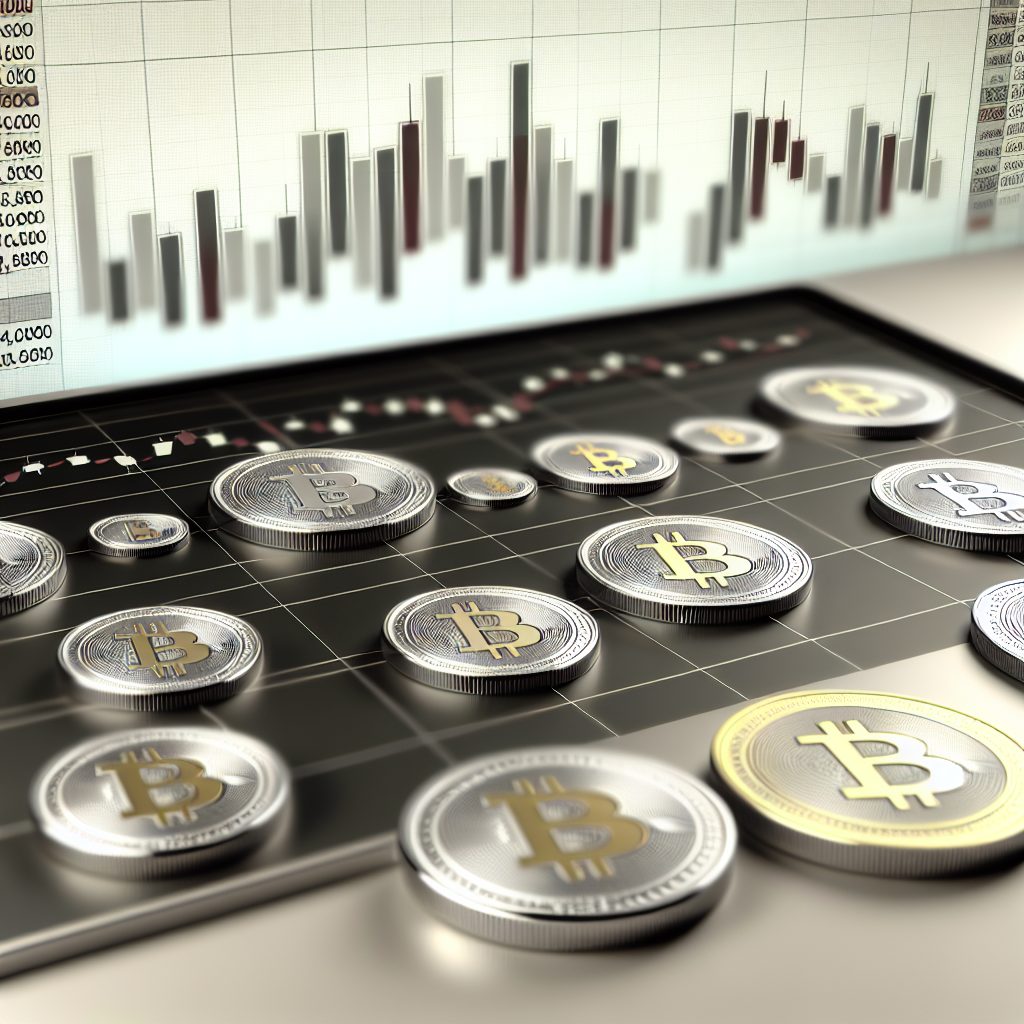
Why Trading Volume Matters
- Liquidity: High trading volume typically equates to greater liquidity, allowing traders to enter and exit positions with less slippage.
- Market Strength: Increased volume during price movements can confirm the strength of a trend, while low volume may indicate a lack of conviction.
- Volatility Indicator: Sudden spikes in volume can signal the potential for increased price volatility, which traders can exploit.
- Market Sentiment: Changes in trading volume can provide insights into trader sentiment, reflecting whether the general consensus is bullish or bearish.
Types of Trading Volume
Trading volume can be categorized into several types depending on how it is accounted for:
- Exchange Volume: This reflects the total volume traded on a specific exchange, including both buy and sell orders.
- Spot Volume: Refers to the volume of actual asset trades, excluding derivatives and margin trading.
- Futures Volume: denotes the volume of futures contracts traded, which can often exceed spot volume due to leverage.
- P2P Volume: Represents trades made on peer-to-peer platforms, though not all exchanges facilitate this type of trading anymore.
Factors Influencing Trading Volume
Several factors can influence trading volume across cryptocurrency exchanges:
- Market Trends: Bullish or bearish market conditions can lead to increased trading activity as traders react to price movements.
- News Events: Major announcements, regulatory changes, and technological advancements can spur interest and drive volume up or down.
- Exchange Reputation: Well-established exchanges tend to attract more users, leading to higher trading volumes compared to newer or less reputable platforms.
- User Base: The size and engagement level of an exchange’s user base directly impact the trading volume.
Evaluating Trading Volume Across Exchanges
Each exchange has its own volume characteristics. Here’s how to effectively evaluate trading volume on various platforms:
1. Compare Volume Metrics
To gauge the significance of an exchange’s trading volume, compare it to that of other platforms. Higher volume can indicate higher liquidity and better pricing efficiency. Use aggregators like CoinMarketCap or CoinGecko to find comparative data.
2. Analyze Historical Data
Don’t just focus on current volume statistics. Historical volume data can help you identify trends over time, which is crucial for understanding market cycles.
3. Monitor Transaction Fees
High trading volumes can sometimes lead to increased transaction fees. Ensure you are aware of fee structures on different exchanges as they can impact your overall trading profitability.
4. Examine Exchange Features
Different exchanges offer unique features—such as advanced order types, leverage options, and fiat on-ramps—that can attract varying levels of trading activity. An exchange with more features may experience higher trading volumes.
Key Exchanges to Analyze
Let’s take a closer look at some of the prominent exchanges and their trading volume characteristics:
1. Binance
As one of the largest cryptocurrency exchanges by trading volume, Binance offers a comprehensive suite of trading pairs and advanced features such as futures and margin trading. Its high liquidity ensures that traders can execute large orders with minimal slippage. The platform regularly maintains billions in daily trading volume, making it a primary choice for active traders.
2. Coinbase Pro
Famed for its user-friendly interface, Coinbase Pro supports a range of cryptocurrencies and provides advanced trading features. Although its volume is generally lower than Binance, its reputation and accessibility make it popular among new traders.
3. Kraken
Kraken is known for its strong security features and wide range of cryptocurrencies. Its trading volume is substantial, attracting both retail and institutional traders.
4. Bitfinex
Bitfinex offers advanced trading options and high liquidity for cryptos and fiat pairs. Its volume is often buoyed by institutional traders seeking more sophisticated trading tools.
5. Huobi
Focusing on Asian markets, Huobi has become a significant player in the global crypto exchange landscape and often reports high volumes, particularly in derivatives trading.
Volume and Price Relationship
The relationship between trading volume and price movements is critical for traders. High trading volume during a price increase can be a bullish signal, as it indicates strong demand. Conversely, declining prices accompanied by low volume might suggest a lack of conviction in the market.
1. Volume Validation
Volume can validate price trends. If a currency’s price rises on high volume, it indicates strong interest and can signal a continuation of the trend. On the flip side, if the price rises but volume decreases, it may suggest a lack of support for the upward movement, potentially foreshadowing a reversal.
2. Breakouts and Volume
Traders often look for volume spikes during breakouts from patterns, such as triangles or head-and-shoulders. A price move accompanied by high volume is more likely to be sustained than one with weak volume.
3. Support and Resistance Levels
Trading volume around support and resistance levels can offer valuable insights. Increased volume at resistance may indicate a potential breakout, while high volume at support levels may signify strong buying interest.
Tools for Analyzing Trading Volume
Several tools and platforms can aid in the analysis of trading volume:
- TradingView: This popular charting tool offers advanced features for volume analysis, allowing traders to overlay volume indicators on price charts.
- CoinMarketCap / CoinGecko: Both sites provide real-time volume data for various cryptocurrencies across different exchanges.
- Volume Profile Tools: These tools help traders visualize trading volume at different price levels, assisting in understanding price action.
Recognizing Volume Anomalies
Analyzing anomalies in trading volume can provide critical trading signals. Sudden spikes in volume could indicate major news or events that may affect price significantly. Conversely, declining volume may signal a market losing interest.
1. Volume Spikes
Large, unexpected increases in volume can indicate serious market activity, often aligned with price changes. Traders should investigate underlying reasons for such spikes, as they can lead to opportunities or significant risks.
2. Volume Droughts
Conversely, low trading volume may signal indecision among market participants. In such scenarios, traders should be cautious, as a lack of momentum can often lead to sudden price swings.
Best Practices for Trading Based on Volume Analysis
To effectively leverage trading volume in your trading strategy, consider these best practices:
- Combine with Other Indicators: Volume should not be analyzed in isolation. Combine it with other technical indicators like moving averages or relative strength index (RSI) for enhanced accuracy.
- Stay Updated with Market News: Always be aware of market developments, as news can heavily influence trading volume.
- Record Historical Volume: Keeping track of historical trading volume data can help you gauge the significance of current volume levels.
- Use Stop-Loss Orders: Protect your investments by employing stop-loss orders, especially when trading during periods of unusual volume.
FAQs
What is a good trading volume for a cryptocurrency?
Good trading volume varies significantly by cryptocurrency. Generally, higher volumes indicate better liquidity, while specific thresholds also depend on the currency’s historical volumes and the exchange it trades on.
How can I find real-time trading volume data?
Real-time trading volume data can be found on websites like CoinMarketCap, CoinGecko, or through trading platforms like TradingView.
Does high trading volume always mean a bullish market?
Not necessarily. High trading volume indicates a lot of activity but doesn’t indicate direction. It can be both bullish and bearish. Analyzing broader market trends and additional indicators is necessary to determine sentiment.
Can trading volume be manipulated?
Yes, trading volume can be manipulated through practices like wash trading, where traders artificially inflate volume numbers. This manipulation can mislead investors when analyzing market trends.
What should I do if I notice unusual trading volume?
If you notice unusual trading volume, investigate the underlying cause—it may be due to news events, market sentiment changes, or potential manipulation. Being proactive in understanding these shifts can help in making informed trading decisions.
Conclusion
In the world of cryptocurrency trading, analyzing trading volume across various exchanges is essential for informed decision-making. By understanding the factors influencing trading volumes, traders can identify lucrative opportunities and mitigate risks. Always supplement volume analysis with other technical indicators and keep an eye on market news. For continuous updates and community insights, consider joining the Bitrabo Community, where members can access news, airdrops, listings alerts, signals, price tracking, and more. Follow us on X, Instagram, Threads, Facebook, and LinkedIn for continuous updates.
Disclaimer: This article is for informational purposes only and should not be considered financial advice. Always conduct your own research and consult with a financial advisor before making investment decisions.