The cryptocurrency landscape is characterized by rapid innovation and evolving technologies. One such innovation is cross chain liquidity, a crucial concept that facilitates the seamless movement of assets across different blockchain networks. This comprehensive guide will delve into the nuances of cross chain liquidity, its importance, mechanisms, challenges, and future prospects within the crypto industry.
What is Cross Chain Liquidity?
Cross chain liquidity refers to the ability to move assets across different blockchain ecosystems efficiently. Unlike traditional liquidity, which typically exists within a single blockchain, cross chain liquidity enables users to trade, swap, or transact with assets from multiple chains without significant barriers.
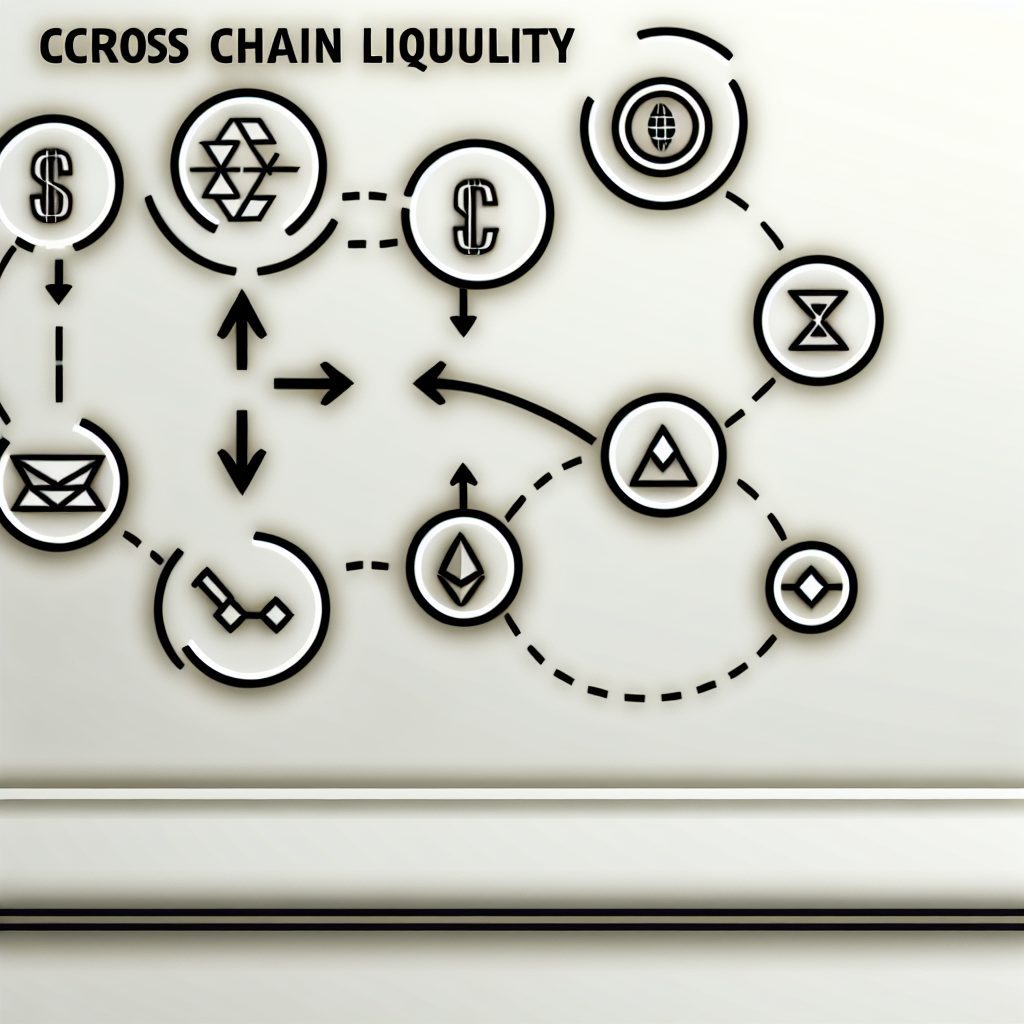
This capability is essential because the crypto market comprises numerous chains, each with unique assets, protocols, and user bases. The interconnectedness of these ecosystems helps reduce fragmentation, ensuring that traders and investors can access liquidity more easily across platforms.
The Importance of Cross Chain Liquidity
Cross chain liquidity is significant for several reasons:
- Increased Market Efficiency: By enhancing accessibility to diverse assets, cross chain liquidity promotes price discovery and reduces market inefficiencies.
- Lower Transaction Costs: Users can execute transactions across chains without the need for intermediaries, thus minimizing fees.
- Enhanced User Experience: Traders can quickly swap assets between different chains, improving the overall user experience.
- Greater Investment Opportunities: With increased liquidity, investors can explore and invest in a broader array of assets across multiple blockchains.
Mechanisms Enabling Cross Chain Liquidity
Several mechanisms facilitate cross chain liquidity, ensuring seamless communication and exchange of value between different blockchains:
1. Atomic Swaps
Atomic swaps allow users to exchange cryptocurrencies from different blockchains directly without a centralized intermediary. This peer-to-peer exchange mechanism is trustless and guarantees that the assets are exchanged simultaneously or not at all, thus safeguarding the interests of both parties involved.
2. Wrapped Tokens
Wrapped tokens play a pivotal role in cross chain liquidity. They represent an asset from one blockchain on another blockchain, effectively creating a bridge between networks. For example, wBTC (Wrapped Bitcoin) allows Bitcoin holders to use their assets on the Ethereum network, enabling access to DeFi protocols and DApps.
3. Cross Chain Bridges
Cross chain bridges facilitate the transfer of assets between different blockchains by locking assets on the source chain and minting equivalent tokens on the destination chain. This process avoids the risks associated with centralization and enhances the security of cross chain transactions.
4. Decentralized Exchanges (DEXs)
DEXs that support cross-chain functionalities have emerged as vital players in the cross chain liquidity landscape. These platforms allow users to trade assets from various blockchains in a decentralized manner, thus minimizing reliance on centralized exchanges. Solutions like Thorchain and pNetwork are examples of DEXs that enable seamless asset swaps across chains.
Challenges in Cross Chain Liquidity
While cross chain liquidity brings numerous advantages, it also presents several challenges:
- Security Risks: Cross chain transactions can be susceptible to various vulnerabilities, including smart contract exploits and protocol failures.
- Complexity in Implementation: Developing efficient protocols and mechanisms for cross chain transactions can be technically challenging and resource-intensive.
- Regulatory Uncertainty: The legal landscape surrounding cross chain activities is still evolving, which can create obstacles for users and platforms.
- Network Congestion: High demand for cross chain transactions can lead to network congestion and prolonged transaction times, negatively affecting user experience.
Prominent Projects and Platforms Supporting Cross Chain Liquidity
Several projects are making strides in enhancing cross chain liquidity. Here are some of the prominent ones:
1. Thorchain
Thorchain is a decentralized liquidity network that enables cross chain swaps between various assets without requiring an intermediary. Its automated market maker (AMM) system allows users to earn rewards by providing liquidity, making it a popular choice for traders seeking to utilize their assets across multiple blockchains.
2. Polkadot
Polkadot is designed to facilitate cross chain communication between different blockchains, promoting interoperability. Its unique architecture allows various chains, or “parachains,” to share security and functionality, thereby enhancing overall liquidity.
3. Cosmos
Cosmos is another project that emphasizes interoperability among blockchains. Its Inter-Blockchain Communication (IBC) protocol allows different chains to communicate and exchange assets, which is crucial for improving cross chain liquidity.
4. Avalanche
Avalanche focuses on high throughput and low latency for transactions, making it an ideal platform for cross chain activities. Its customizable subnets enable different blockchain environments to operate seamlessly, enhancing liquidity provisions across various assets.
Future of Cross Chain Liquidity
The future of cross chain liquidity is promising, driven by ongoing technological advancements and increasing demand for decentralized financial solutions. Here are some anticipated trends:
- Interoperability Solutions: The development of robust interoperability protocols will continue to enhance cross chain transactions.
- Unified Liquidity Pools: Solutions that aggregate liquidity across multiple chains into single pools are likely to gain traction, benefiting traders and investors.
- Increased DeFi Adoption: As decentralized finance (DeFi) continues to expand, cross chain liquidity will play a pivotal role in enabling access to a wider array of financial products and services.
- Regulatory Evolution: Growing regulatory clarity will likely encourage more users to engage with cross chain solutions while ensuring compliance.
FAQs About Cross Chain Liquidity
What is the main advantage of cross chain liquidity?
The main advantage of cross chain liquidity is that it enhances market efficiency by enabling users to trade and access a broader array of assets across different blockchains, which results in better price discovery and reduced transaction costs.
What are wrapped tokens?
Wrapped tokens are digital representations of an asset from one blockchain on another blockchain. They allow users to utilize their tokens on different platforms, effectively bridging the gap between diverse ecosystems.
Are there security risks associated with cross chain liquidity?
Yes, cross chain liquidity does present certain security risks, primarily related to smart contract vulnerabilities and the potential for protocol failure during asset transfers.
How do decentralized exchanges facilitate cross chain liquidity?
Decentralized exchanges (DEXs) that support cross chain functionality allow users to trade assets from various blockchains directly, using decentralized protocols that minimize the need for intermediaries.
Conclusion
In summary, cross chain liquidity is a pivotal component of the cryptocurrency ecosystem, enabling seamless transactions and fostering greater accessibility across multiple blockchain networks. Understanding its mechanisms, challenges, and future prospects is essential for anyone involved in the crypto space. As the industry continues to evolve, staying informed about cross chain developments will be crucial for maximizing investment opportunities and enhancing user experiences.
For more insights and up-to-date information about cryptocurrency, consider joining the Bitrabo Community. Stay connected with us on social media: follow us on X, Instagram, Threads, Facebook, and LinkedIn.
Disclaimer
This article is for informational purposes only and should not be considered financial advice. Always conduct your own research and consult a professional financial advisor before making any investment decisions.