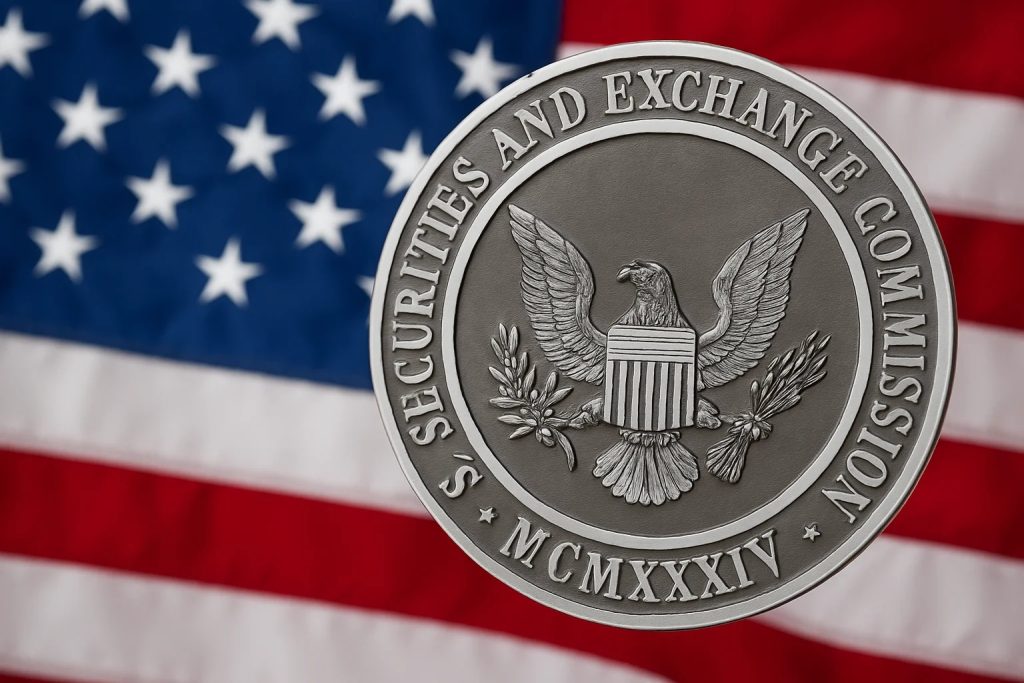
Amid ongoing regulatory discussions surrounding cryptocurrencies in the United States, a coalition of six prominent cryptocurrency projects has initiated a joint effort to clarify the legal categorization of digital commodities. The initiative involves Chainlink Labs, Hedera, Aptos Labs, Ava Labs, the Stellar Foundation, and the Cardano Foundation, all of which have submitted a request to the U.S. Securities and Exchange Commission (SEC).
The primary goal of this initiative is to urge the SEC to formally define digital commodities within its proposed regulations, thereby helping to minimize legal ambiguity in the crypto sector. The organizations are advocating for the SEC to include a direct definition of digital commodities in its regulatory framework, rather than relying solely on explanatory texts.
Seeking Clarity in Crypto Regulations
The focus of the debate centers on the SEC’s classification approach, which was outlined in a document earlier this year. The six organizations argue that the SEC’s classification criteria should be integrated into official regulations to alleviate uncertainty in the cryptocurrency landscape. The assets in question include major tokens such as Chainlink, Hedera, Aptos, Avalanche, Stellar, and Cardano.
In their communication with the SEC, the companies assert that just because a crypto asset may be part of an investment contract, it should not automatically be classified as a security. They aim to establish a clear distinction that a digital commodity involved in such an investment contract does not necessarily qualify as a security.
Additionally, the group is requesting that any new regulations made by the SEC not impact existing classifications of cryptocurrencies or redefine the regulatory responsibilities shared with the Commodity Futures Trading Commission (CFTC).
As of now, it remains uncertain how the SEC will respond to these requests. Modifications to the proposed regulations could have significant implications for the operations of digital asset projects in the U.S. and the overall regulatory framework governing the cryptocurrency market.
This article does not constitute investment advice.