Elon Musk’s Vision for AI Data Centers in Space is gaining traction as discussions on the energy demands of artificial intelligence intensify, especially in the context of the 2026 US midterm elections. The results, which saw Democrats taking control of both Congressional chambers, have raised questions regarding the future of AI infrastructure investments, particularly in energy-rich states like Texas.
A looming concern among investors is whether stricter regulations on data centers could arise due to mounting scrutiny over their environmental and energy consumption impact. Texas, a hub for large-scale data centers, will be critical in this evolving conversation, especially with new Democratic leadership advocating for stronger local community protections.
Political Climate Influencing AI Infrastructure
The recent midterm elections have altered the political landscape, prompting investors to reconsider their expectations for AI infrastructure. With Texas Governor Gina Hinojosa signaling support for pausing new data center projects until clearer protections are in place, concerns over electricity costs and utility resource allocation are at the forefront of community discussions.
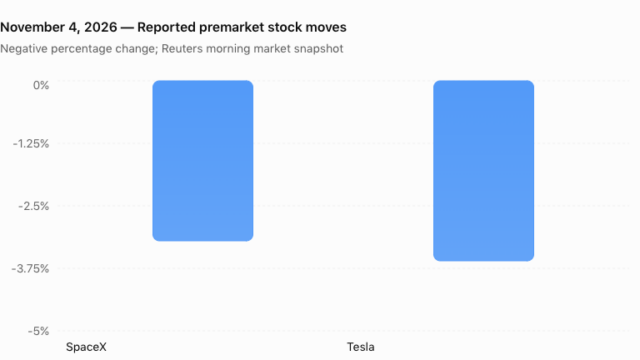
Even amid these uncertainties, the demand for AI remains unshaken, although companies within the sector faced stock pressure on November 4, as markets reacted to the new political dynamic.
Musk Proposes Orbital Data Centers
In response to shifting conditions, Elon Musk has suggested that creating data centers in orbit could offer a viable alternative to traditional land-based facilities. By leveraging solar energy for AI workloads, these orbital centers may alleviate some pressure from terrestrial electrical grids. SpaceX’s initiatives in satellite computing further underline Musk’s ambition to innovate in this area.
Nonetheless, significant technical hurdles exist, such as efficient thermal management of computers in space and the costs associated with launching and maintaining such facilities. According to research from the Brookings Institution, critical governance and technical questions surrounding orbital data centers remain unresolved, making Musk’s proposal more of a long-term vision than an immediate solution.
The Intersection of AI and Bitcoin Mining
The relationship between artificial intelligence infrastructure and Bitcoin mining is noteworthy, as both require immense energy resources and suitable operational environments. As the AI sector expands, some Bitcoin mining companies are adapting their facilities for high-performance computing, potentially diversifying their revenue streams beyond cryptocurrency production.
However, this shift does not come without challenges. Transforming mining facilities into advanced computing centers demands considerable investment, making strategies like these high-stakes endeavors. As highlighted in previous analyses, the competition for energy resources is intensifying between AI and Bitcoin mining sectors.
Potential Opportunities Amid Energy Challenges
Despite the challenges posed by rising energy demands, the outlook for Bitcoin remains intriguing. Unlike centralized AI operations, Bitcoin mining has the flexibility to adjust its electricity consumption based on fluctuations in power pricing and grid reliability. This adaptability provides miners operating in favorable energy markets with an edge, even as the competition for electricity remains fierce.
Further political discussions about energy allocation between households, industries, and mining operations could significantly shape Bitcoin’s future. Ultimately, the maintenance and security of Bitcoin’s decentralized network will play a crucial role in its long-term viability.
Looking Ahead
As developments unfold, three key areas will be closely monitored: potential restrictions on new US data centers, SpaceX’s advancements in orbital computing, and the profitability of Bitcoin miners expanding their operations into AI services. The coming months may reveal whether investors will continue to back ambitious AI infrastructure projects or demand more prudent spending.
While Musk’s vision of space-based computing might still be years away, the dynamic intersection of Bitcoin and artificial intelligence highlights the rapid evolution within digital infrastructure and raises intriguing questions about future energy demands and technological collaboration.