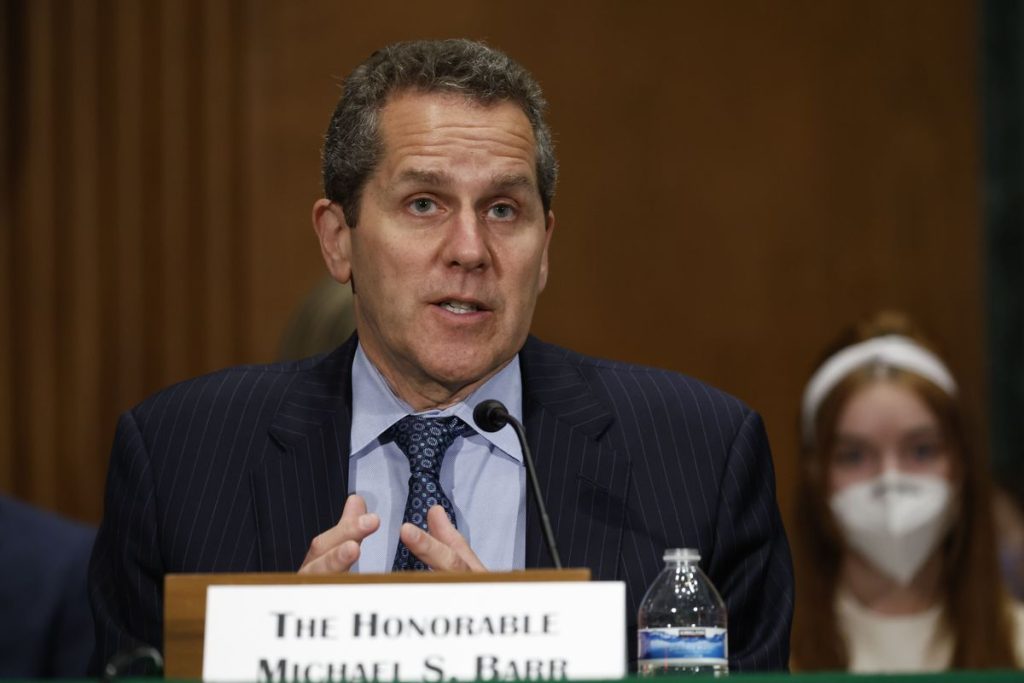
Michael Barr, a member of the Federal Reserve Board, has recently shared his insights on inflation, interest rate policy, and the emerging role of artificial intelligence (AI) in the US economy. His comments highlight the Fed’s ongoing challenges in achieving its inflation targets and outline expectations for future economic conditions.
Barr expressed uncertainty regarding the timely return of inflation to the Fed’s 2% goal. He indicated that the threat of missing this target has escalated, leading to a necessary reevaluation of monetary policy. Although risks to inflation have increased, he noted that dangers to the labor market appear to have diminished.
In his assessment of the current economic landscape, Barr remarked that the labor market remains robust, bolstered by strong corporate investment and healthy consumer spending. He projected that the US economy, which grew approximately 2% in the first half of the year, is likely to experience a slight recovery in the latter half.
Potential Economic Boost from Artificial Intelligence
Barr also emphasized the significant implications of AI for economic growth. He highlighted how investments in AI infrastructure and rising demand could positively impact pricing levels, potentially enhancing US economic activity within the next year.
However, he cautioned that widespread productivity gains from AI may take time to materialize. While he remains hopeful about its long-term benefits, Barr acknowledged the unpredictability surrounding the specific channels and timings of these improvements. He also raised concerns about possible short-term disruptions in the labor market caused by the evolving technology.
When discussing the impact of AI on the “neutral interest rate” — the rate considered equilibrium for the economy — Barr indicated that it is premature to draw any definitive conclusions.