Fed Officials Signal Potential Interest Rate Changes Ahead
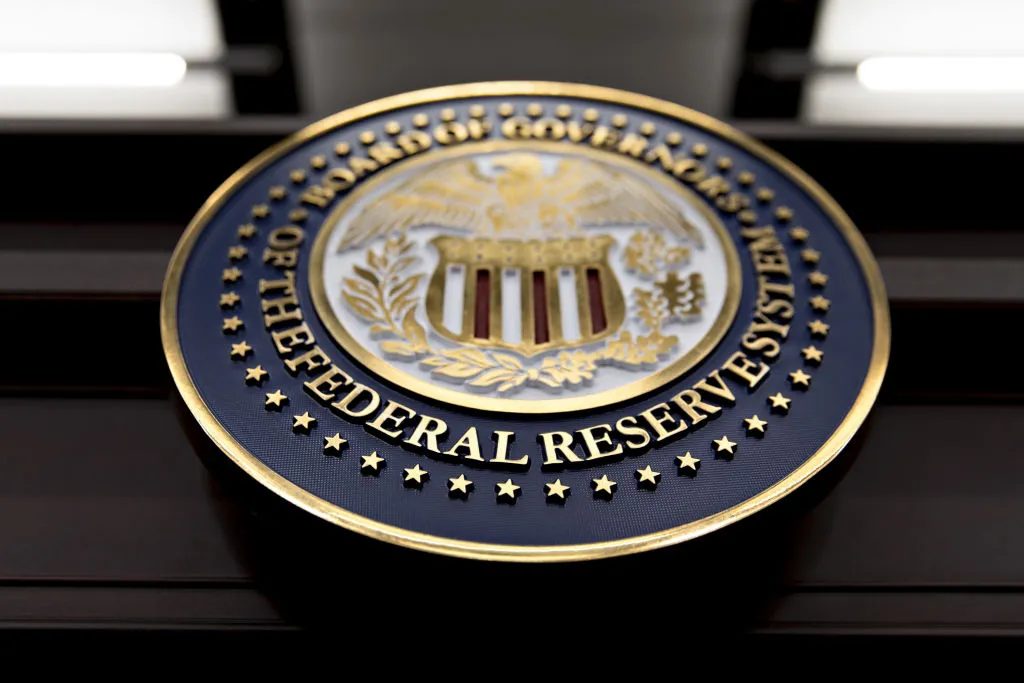
Recent comments from Federal Reserve officials indicate a cautious approach to future monetary policy as they assess inflation and economic stability. Notably, Vice Chairman Philip Jefferson expressed concerns about persistent inflation, emphasizing the need for careful consideration before further interest rate hikes.
Jefferson highlighted that inflation remains elevated and may risk becoming a permanent fixture in the economy. He noted the importance of analyzing economic data, shifts in outlook, and associated risks before making any decisions on interest rates. Despite worries about inflation, he acknowledged that both economic activity and the labor market in the United States are currently strong.
Economic Indicators Influencing Monetary Policy
Several factors are influencing the economic landscape, including surging energy prices, rapid advancements in artificial intelligence investments, and tariff implications. Following the Fed’s September meeting, there has been a noticeable uptick in U.S. Treasury yields across various maturities, suggesting that investors are rethinking macroeconomic expectations.
Jefferson stated that as new information continues to surface, the Fed will evaluate whether inflation can be brought back to its target of 2 percent in a timely manner and how that should shape monetary policy moving forward.
Kashkari’s Insights on Interest Rates
In a related statement, Neel Kashkari, President of the Minneapolis Fed, indicated that further interest rate increases might be necessary to manage inflation effectively. However, he expressed uncertainty about the need for a rate hike in the upcoming October meeting.
Kashkari had previously forecasted a 25 basis point increase this year, with another planned for 2027. He commented that the U.S. economy has outperformed expectations since September, yet inflation continues to be problematic. He suggested that if the economy continues to show unusual strength and if inflation remains stubbornly high, an adjustment in rates beyond current anticipations might be warranted.
Despite the fluctuations in the financial markets, Kashkari reassured that these do not pose a systemic risk, indicating that the U.S. Treasury bond market is adapting well to the changing interest rate expectations.
The ongoing discussions among Fed officials underscore the balancing act they face in fostering economic growth while managing inflation risks. Investors and analysts will be closely monitoring these developments as they prepare for potential shifts in monetary policy.