The ongoing dialogue regarding the potential of cryptocurrency to rival Bitcoin’s dominance remains a hot topic. Recently, Ripple’s Chief Technology Officer David Schwartz shared insights that sparked new discussions in the crypto community.
Schwartz addressed claims suggesting that Bitcoin’s unique attributes could merely be imitated through code replication. His opinions followed a notable exchange between Binance founder Changpeng Zhao and Bitcoin skeptic Peter Schiff.
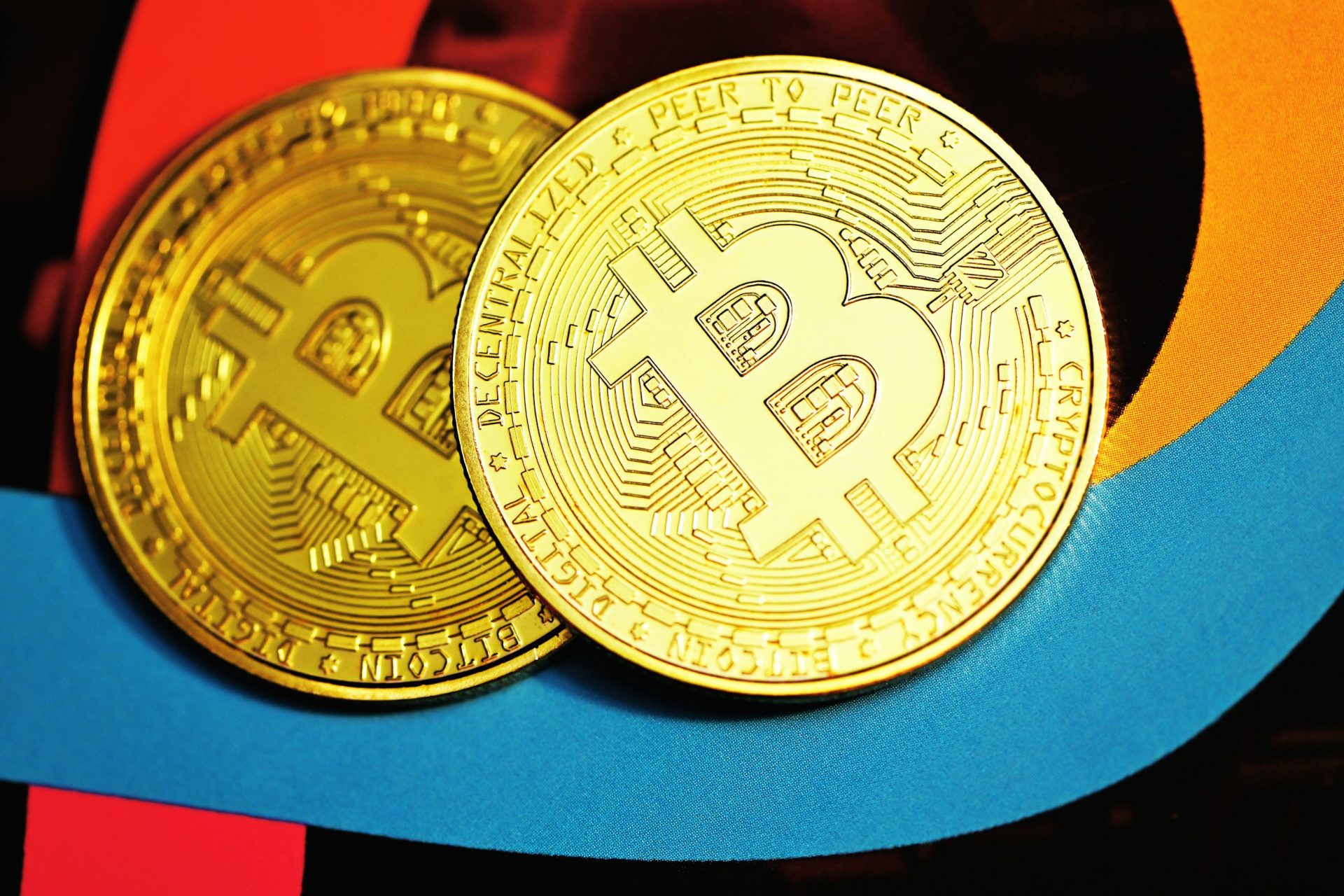
Insights from the Zhao-Schiff Exchange on Bitcoin’s Worth
During a dynamic discussion at Binance Blockchain Week, Schiff argued that tokens linked with gold possess inherent utility, as they symbolize ownership of a precious resource utilized globally. He asserted that Bitcoin, in contrast, relies on trust and has no practical applications.
Zhao countered this viewpoint, emphasizing that even gold is challenging to divide or authenticate without complex methodologies. He shared a personal anecdote about receiving a gold bar as a gift but struggling to assess its authenticity or break it down without proper tools. This led him to highlight Bitcoin’s advantages in instant transferability and verification via blockchain technology.
In response, Schiff reiterated his belief that Bitcoin lacks value since it serves no tangible purpose, while gold enjoys constant industrial demand. Zhao defended Bitcoin’s position, underscoring its transparent infrastructure, predetermined supply, and proof of ownership. He noted that, unlike gold which has ambiguous global reserves, Bitcoin offers complete visibility regarding its total supply and transactions.
The debate transitioned into a broader conversation around the concept of value. Schiff maintained his stance that Bitcoin is merely speculative, whereas Zhao affirmed that Bitcoin’s framework and transparency underlie its substantial market valuation.
“Let’s agree to disagree,” Zhao concluded.
Discussion Sparks Inquiry: Can Bitcoin Be Duplicated?
In the aftermath of the debate, an audience member posed a thought-provoking question about the possibility of replicating Bitcoin. The comment emphasized, “How feasible is it to create a new version of Bitcoin? What would this entail?”
Schwartz, reacting to this assertion, posed a critical inquiry that challenged the notion. He questioned how a ‘new Bitcoin’ could truly be identical to the original. He further probed, “Would replicas really impact Bitcoin in any meaningful way?”
This argument echoed Zhao’s previous points about Bitcoin’s verifiability. Even if a replica replicates Bitcoin’s code, it cannot recreate the extensive network of participants, miners, institutions, and real-time validation that contribute to Bitcoin’s essence.
The presence of another chain does not undermine Bitcoin’s credibility in the same way that fake gold does not diminish the worth of stamped gold, particularly when authenticity checks are in place. This reinforces Zhao’s comment about Bitcoin’s superior verification methods compared to traditional assets like gold.
Image source from Unsplash, analytics from ProductionViews