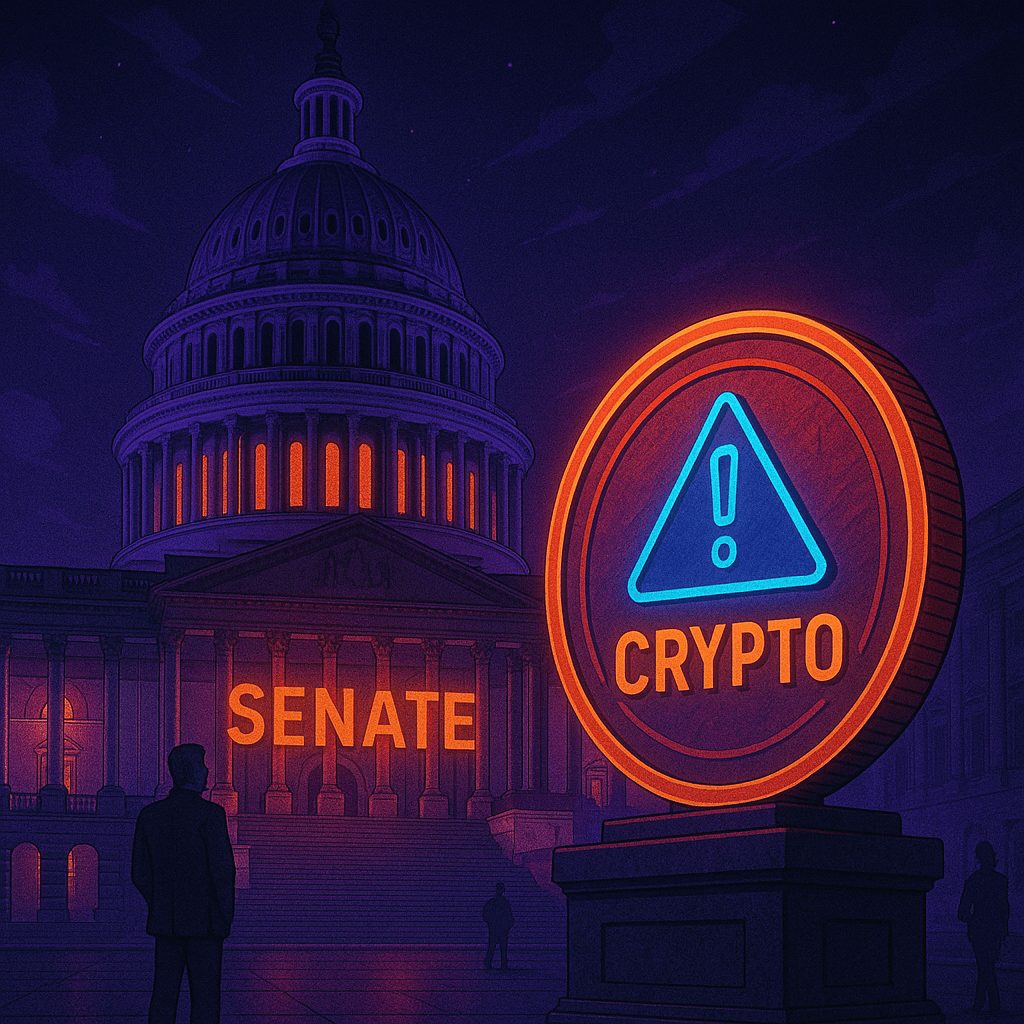
The landscape of cryptocurrency legislation in the U.S. is rapidly evolving, with the Senate currently debating a new framework aimed at regulating the burgeoning market. However, increasing divisions between the political parties could impact its future.
Senator Elizabeth Warren (D-MA) has voiced significant concerns about the lack of daylight in the legislative process. She criticized the recent release of a lengthy 182-page draft by Republicans, claiming it was done without adequate bipartisan consultation or transparency regarding industry feedback.
Warren pointed out that this kind of legislation undermines collaborative efforts and could result in policies that disproportionately benefit lobbyists. “This draft does not reflect a fair process,” she asserted, emphasizing the need for an inclusive approach to governance.
Senate Democrats Present Alternative Vision
Responding to the growing discontent, Senate Democrats have rolled out a concise six-page framework outlining their vision for crypto regulation. This document emphasizes essential areas including consumer protection, anti-corruption measures, and a clearer understanding of regulatory duties among agencies like the SEC and CFTC.
While this framework is less comprehensive than its Republican counterpart, it serves as a starting point for dialogue aimed at crafting cohesive legislation.
Proponents of a balanced approach, such as Senators Kirsten Gillibrand, Cory Booker, and Mark Warner, are backing the new initiative, advocating for regulations that enable innovation while also safeguarding investors.
However, the functional gap between a detailed Republican proposal and a broader Democratic outline may place the latter at a negotiating disadvantage. This could allow Republicans to further dictate the legislative conversation.
Projected Outcomes for Crypto Legislation
The proposed legislation intends to delineate the status of various crypto assets within U.S. regulations, including specific exemptions for practices like staking and airdrops under certain conditions.
Skeptics argue that these exemptions might undermine consumer protections and excessively favor the interests of the crypto industry. Warren has reiterated the need for any bipartisan initiative to be grounded in transparency and accountability, steering clear of undue influence from industry stakeholders.
The White House is also urging a swift resolution, with newly appointed crypto adviser Patrick Witt advocating for a draft that could unify support from both parties. Nonetheless, challenges such as partisan rifts, lobbying pressures, and uncertainties surrounding regulatory appointments continue to loom large.
As both parties take firm stances, the forthcoming weeks could prove crucial in determining whether the U.S. will establish a cohesive regulatory framework for cryptocurrency or if political disagreements will again stall progress.
Image credit: ChatGPT, BTCUSD graph courtesy of TradingView.