In a recent livestream, Cardano’s visionary leader, Charles Hoskinson, emphasized the importance of reestablishing harmony among the main institutions involved with the Cardano network. He has positioned the year 2026 as a significant turning point for the ecosystem.
Reflecting on a tumultuous period, marked by disagreements and operational challenges, he expressed remorse for the conflicts that have arisen, stating, “We all have our share of mistakes, including myself.”
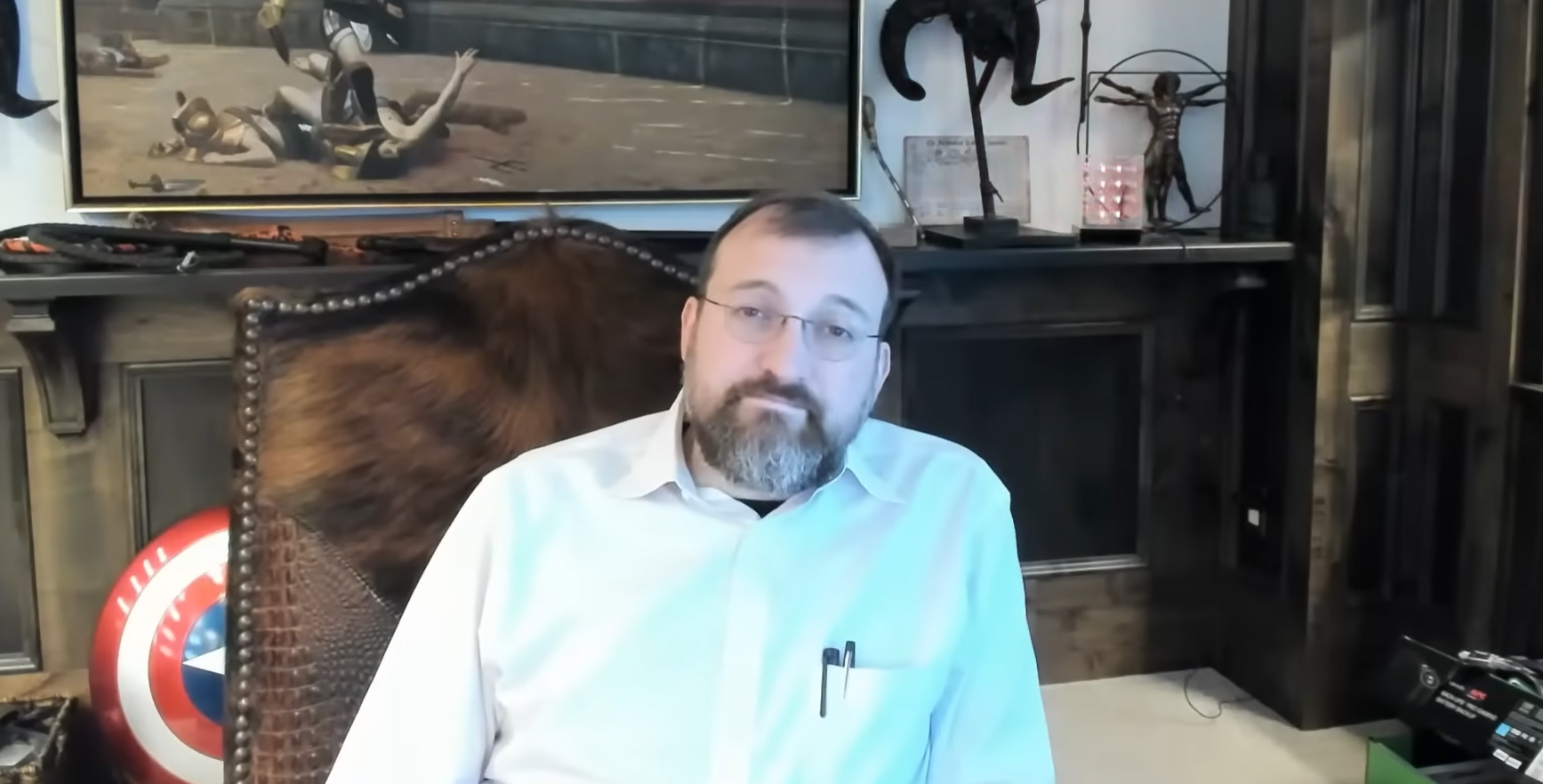
Cardano’s Strategic Vision for 2026: A Call for Unity
Hoskinson recognized that his direct approach and public expressions of frustration have, at times, exacerbated tensions. He underscored that “unity is essential for sustainable growth,” urging stakeholders to move beyond their historical differences and concentrate on future governance models.
This call for cooperation is linked to a collaborative initiative involving key organizations such as IOG, the Cardano Foundation, and others. Hoskinson praised members from various groups for driving discussions aimed at aligning their efforts toward the common goal of strengthening Cardano, announcing forthcoming initiatives to bridge critical infrastructure gaps.
Moreover, he disputed claims regarding the recent soft fork as a failure, asserting that it instead showcased Cardano’s robust framework. He highlighted the network’s innovative proof-of-stake mechanism that facilitated a seamless recovery, ensuring the integrity of its foundational structure.
Using comparisons to historical instances in Bitcoin’s development, he noted that temporary splits can serve an essential role, enhancing the system’s overall resilience and ability to adapt over time. This experience served as a reminder of the potential for disparate chains to eventually reconcile.
Looking ahead, Hoskinson considered 2026 to be a pivotal year for the implementation of Cardano’s strategic roadmap. He pointed to various promising developments, such as the advancement of Hydra for decentralized finance (DeFi), and initiatives that seek to engage new markets.
Achieving this vision demands a collective effort from newer organizations as well as established players in the Cardano ecosystem. This coalition includes diverse stakeholders from technical infrastructure teams to community members, all of whom play a critical role in the progression of the platform.
During his address, Hoskinson drew attention to the ideological divide shaping the future of cryptocurrency. He articulated two distinct approaches: one aimed at enhancing traditional financial systems with minor improvements, while the other seeks to liberate economic interactions from centralized authority, aligning with the foundational principles of decentralized technologies.
Positioning Cardano, as well as its affiliated projects, within the latter framework, he passionately stated, “We are committed to ensuring every individual has the opportunity to engage freely within our ecosystem.” He expressed optimism that by fostering a cohesive governance structure, the platform can achieve substantial growth in a year’s time.
The livestream marked a significant moment following the introduction of a joint governance framework among core stakeholders, indicating a new trajectory in their collaborative efforts. A recent announcement echoed this commitment, with plans for integrating vital infrastructure now being discussed by the community stakeholders.
As could be observed in the market, ADA was trading at $0.42 at the time of the update, reflecting the community’s growing recognition of Cardano’s future potential.