The cryptocurrency landscape continues to evolve, and Ripple is at the forefront of that transformation. XRP investors are expressing concerns as they navigate Ripple’s aggressive strategies, raising questions about whether these efforts are yielding tangible benefits for token holders. The anticipation surrounding Ripple’s ventures often contrasts sharply with the muted reactions in the cryptocurrency market.
XRP Faces Challenges Amid Ripple’s High-Profile Developments
In early 2026, the announcement of a major partnership marked a pivotal moment for Ripple. Many believed that such corporate advances would significantly elevate the status and value of XRP. However, despite the optimism that surrounded this occasion, the token’s market response has been lackluster, leaving many disappointed.
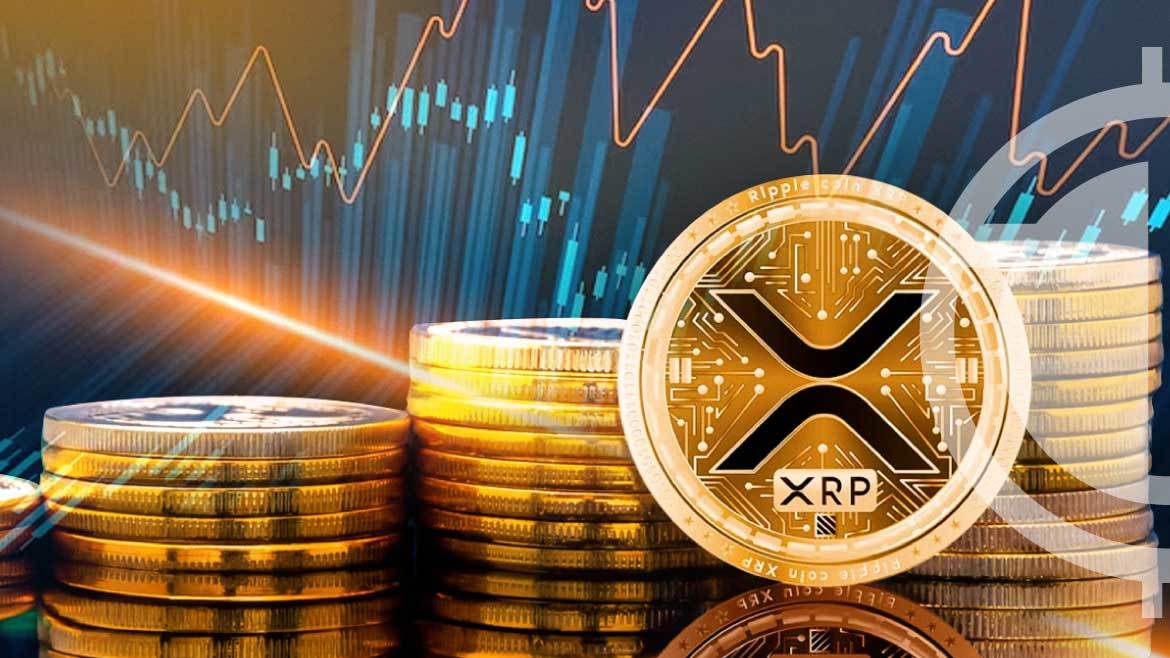
During a crucial two-month period, XRP’s value plummeted by over 30%, even while corporate updates painted a picture of growth. While news like this typically generates volatility, XRP found itself struggling to maintain any positive momentum. This recurring trend raises important questions about the alignment of Ripple’s corporate growth narrative with actual investor outcomes.
As dissatisfaction forges among xrp holders, a notable analyst recently highlighted how Ripple’s strategic moves often seem to benefit executives more than investors. With vast resources invested in acquiring traditional financial institutions, many feel left behind as token holders see minimal returns. For those focused on short-term gains, such acquisitions are insignificant unless they lead to a demonstrable increase in XRP’s valuation.
This disconnect only deepens the concerns of holders who seek fundamental aspects like capital growth, liquidity improvements, and sustainable value. High-profile acquisitions sharpen expectations, yet when market reactions fall short, these hopes often morph into wariness. This pattern of fleeting optimism followed by uninspiring price outcomes amplifies scrutiny of Ripple’s overarching expansion strategy and its actual benefits to XRP investors.
Acquisition Strategy: A Longer-Term Perspective
The acquisition of Hidden Road is merely a segment of Ripple’s broader strategy. Garlinghouse has also drawn attention to several key establishments, including GTreasury, Rail, Standard Custody, and Metaco, which reflect a robust focus on enhancing Ripple’s market presence.
In 2023, Metaco was brought into the fold, fortifying Ripple’s infrastructure for institutional-quality custody services. Standard Custody followed in 2024, augmenting capabilities for regulated asset protection. Rail introduced new avenues for payment processing, while the integration of GTreasury provided critical tools for enterprise financial management. Collectively, these acquisitions have expanded Ripple’s reach in custody, settlement, payments, and the financial services domain.
In addition to acquisitions, Ripple has cultivated alliances with banks and payment solutions worldwide, establishing its framework within traditional finance. These collective efforts symbolize long-term positioning and comprehensive integration, rather than sudden market triggers.
Although XRP’s current pricing remains a primary concern for investors, these strategic integrations may lay the groundwork for future demand. The various elements of institutional custody, treasury tools, and payment systems could potentially bolster the token’s utility in Ripple’s growing ecosystem over time.
While immediate price fluctuations dominate current discussions, the accumulation of regulated firms alongside high-capacity platforms indicates that Ripple might be constructing a solid foundation before a potential market shift. The effectiveness of this groundwork in driving sustained appreciation for XRP will depend on various factors yet to unfold.