The enigma surrounding the identity of Bitcoin’s creator, Satoshi Nakamoto, continues to spark intrigue. A recent article from a prominent U.S. newspaper claims to have identified Adam Back, a notable figure in cryptography, as the possible mastermind behind Bitcoin.
Identifying the Face Behind Bitcoin
The pursuit to unveil Satoshi Nakamoto is far from new. Over the past 15 years, many theorists and professional journalists have set out to uncover the identity of Bitcoin’s creator. Yet, this report by John Carreyrou represents a significant moment as it marks a major media outlet naming Adam Back, a 55-year-old British cryptographer, as a candidate.

Back, who is the CEO of Blockstream and a creator of Hashcash, has often found himself at the center of speculation regarding Bitcoin’s origins. Despite repeated denials of his involvement, Carreyrou’s investigations have lent new weight to this long-standing hypothesis.
Carreyrou became particularly intrigued by Back after viewing a documentary that referenced an alternate suspect, which led him to scrutinize Back’s reactions and past claims.
The Document Trail
One of the investigative avenues Carreyrou pursued involved a cache of e-mails attributed to Nakamoto, released during a legal dispute involving Craig Wright. These e-mails hinted at Nakamoto’s views on copyright, suggesting a preference for open-source models — a stark contrast to legal claims about ownership of the Bitcoin whitepaper.
Emails exchanged between Satoshi and early adopters have previously surfaced. However, the volume found during this recent court case provided a treasure trove of insights that could be pivotal in revealing Nakamoto’s identity.
This correspondence reportedly showed Back engaging with Nakamoto in discussions about Bitcoin, indicating that their intellectual exchanges may have been deeper than previously recognized, especially considering essential components of Bitcoin’s framework were also discussed.
The Cypherpunk Connection
The investigation draws connections between Back and Nakamoto based on their shared participation in various online forums centered around cryptography. The discussions on these platforms often revolved around themes of digital privacy and decentralized finance — core tenets of Bitcoin.
Back’s previous works aligned with Bitcoin’s core principles. His contributions included concepts such as decentralized electronic cash and anti-censorship technologies, laying the groundwork for discussions that would culminate in Bitcoin’s launch. Critically, Back’s code-writing proficiency overlapped significantly with that of Satoshi, further fueling speculation.
While Back minimized his involvement with Nakamoto during Bitcoin’s inception, his prior engagement in the cypherpunk community raises questions about his potential influence on Nakamoto’s ideation.
For over ten years, Back was an active voice in discussions related to digital currencies, yet he seemed to vanish from the conversation as Bitcoin gained traction—an intriguing absence.
Back’s advanced academic background in distributed systems further aligns him as a valid candidate to have developed Bitcoin’s complex network infrastructure.
The Language Analysis Perspective
To delve deeper into stylistic similarities, NYT utilized AI-driven analysis to investigate linguistic patterns in cypherpunk writings. This analysis revealed specific quirks in Back’s writing style that matched Nakamoto’s early communications.
The investigation suggests that the confluence of ideology, technical competence, and communication style among these figures raises compelling questions about coincidence versus intent.
Even when confronted with these connections, Back maintained his innocence, adding layers of complexity to the narrative surrounding Satoshi’s true identity.
Impacts on the Cryptocurrency Market
Historically, each theory surrounding Satoshi has faced challenges due to a lack of hard evidence. While various candidates have emerged, none have conclusively proven their claims through cryptographic validation. The overarching narrative that Bitcoin lacks a defined creator serves to enhance its appeal as a decentralized currency.
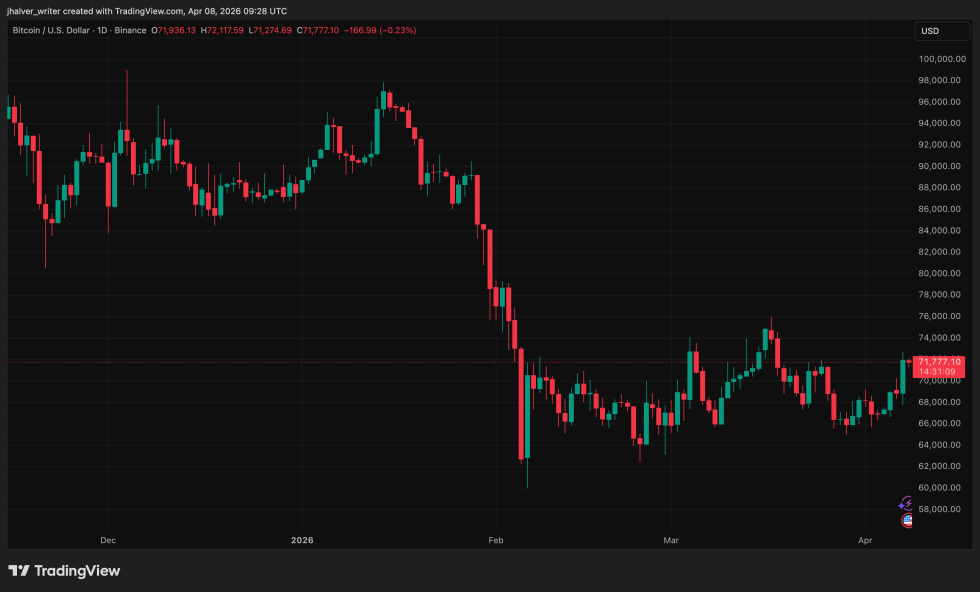
Speculation about Satoshi’s identity, especially when linked to regulatory discussions, could have significant implications for Bitcoin’s market dynamics and perceptions.
Without tangible evidence emerging from blockchain activity associated with Nakamoto, market reactions may temper, leaning instead toward analyzing other factors such as funding and trading strategies.
In summary, while the quest to uncover Satoshi’s identity continues, the implications of this inquiry may shape the future of cryptocurrency regulation and investor confidence.