In Brazil, approximately 90% of cryptocurrency transactions are conducted using stablecoins. This statistic has prompted regulators to take significant action in the ever-evolving landscape of digital assets.
Regulatory Action: Resolution BCB No. 561
On May 1, 2026, the Banco Central do Brasil (BCB) officially issued Resolution BCB No. 561, which prohibits the use of virtual assets to facilitate payments within the country’s electronic foreign exchange (eFX) system. This regulatory framework is crucial for governing international transfers and cross-border payments.
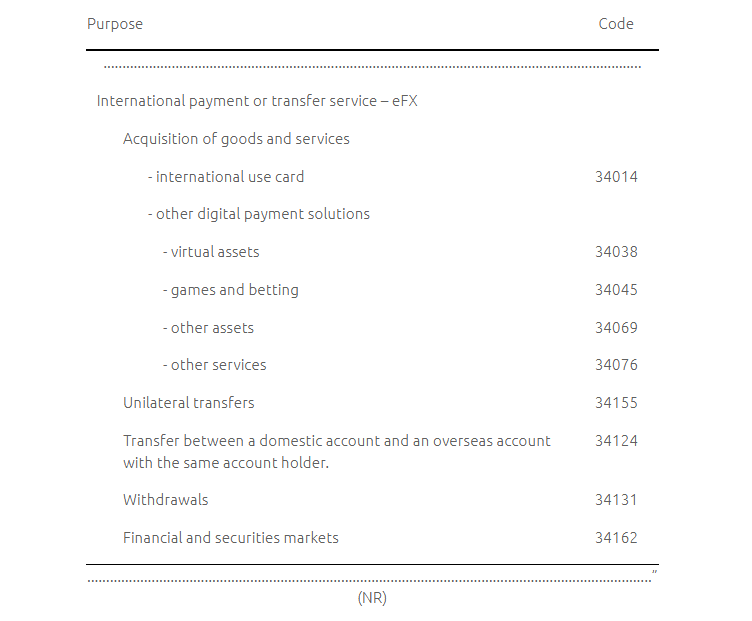
According to the new regulation, eFX providers and their partners abroad are mandated to complete transactions solely through recognized foreign exchange operations or non-resident Brazilian real accounts. This implies that cryptocurrencies are excluded from these processes.
This rule extends to companies currently classified under a transitional eFX status. Such firms must seek approval from the central bank by May 31, 2027, to continue offering eFX services, but they, too, must adhere to the prohibition on virtual assets for transactions.
Brazil Central Bank Updates eFX Rules, Bans Crypto for Cross-Border Transfers
Brazil’s central bank has issued Resolution BCB No. 561, revising rules for international payment and transfer services (eFX). The regulation explicitly prohibits the use of crypto assets in… pic.twitter.com/V428C8I2tn
— Wu Blockchain (@WuBlockchain) May 1, 2026
It is important to clarify that this does not equate to a total ban on cryptocurrencies across Brazil. Individuals can still engage with digital assets outside of the eFX framework; however, the BCB emphasizes the need to maintain control over monitored cross-border payment infrastructures.
Concerns Surrounding Stablecoins
In February, BCB Governor Gabriel Galipolo expressed his worries regarding the sharp increase in cryptocurrency usage within Brazil over the last few years, especially the role of stablecoins, which make up around 90% of these transactions. His concerns center on issues such as:
- Taxation: Questions arise regarding how gains from stablecoin transactions are taxed.
- Money laundering: The potential for illicit activities increases in less regulated environments.
- Asset backing: Uncertainties about whether stablecoins are sufficiently backed by tangible assets pose risks.
The central bank’s efforts to regulate cryptocurrencies have been ongoing; for instance, in November 2025, new authorization criteria for virtual asset service providers were detailed, particularly for those dealing in foreign currencies. The recent eFX restrictions build on these existing frameworks.
BRAZIL CENTRAL BANK CRACKS DOWN ON CRYPTO USAGE
The Banco Central do Brasil has officially issued Resolution No. 561, banning the use of cryptocurrencies in all regulated cross-border payment frameworks.
The new eFX rules mandate that international transfers must be processed… pic.twitter.com/m0jaCxcTYq
— BSCN (@BSCNews) May 1, 2026
Additionally, the BCB has indicated that stablecoins not regulated by its oversight may face restrictions or bans in Brazil. Concerns include:
- Regulatory fairness: Ensuring equal competition among various providers.
- Monetary control: Maintaining the integrity of the country’s monetary policy.
- Jurisdictional risks: Addressing complications associated with foreign-currency stablecoins.
Future Implications for Crypto Providers
For eFX providers currently utilizing virtual assets for cross-border settlements, adaptations will be necessary. The timeline for compliance is strict. Providers operating under transitional status have until May 2027 to obtain the required authorization. However, they must implement changes to accommodate the immediate prohibition on cryptocurrencies for eFX transactions.
Overall, while Brazil’s approach seeks to address various regulatory concerns, it highlights the ongoing tension between innovation in the cryptocurrency sector and the need for effective governance.
Featured image from PlanetofHotels.com, chart from TradingView