In recent trading sessions, Bitcoin experienced significant volatility, dropping below $80,000 for the first time in three weeks. The decline followed a report indicating that U.S. producer inflation outpaced market expectations, stirring apprehensions among investors.
Bitcoin briefly dipped to approximately $78,000 after the U.S. producer price index (PPI) for September showed a year-over-year increase of 6.3%, significantly higher than the anticipated 5.3%. Additionally, core producer inflation came in at 5%, exceeding forecasts of 4.4%. These figures suggest persistent inflation pressures affecting the broader economy.
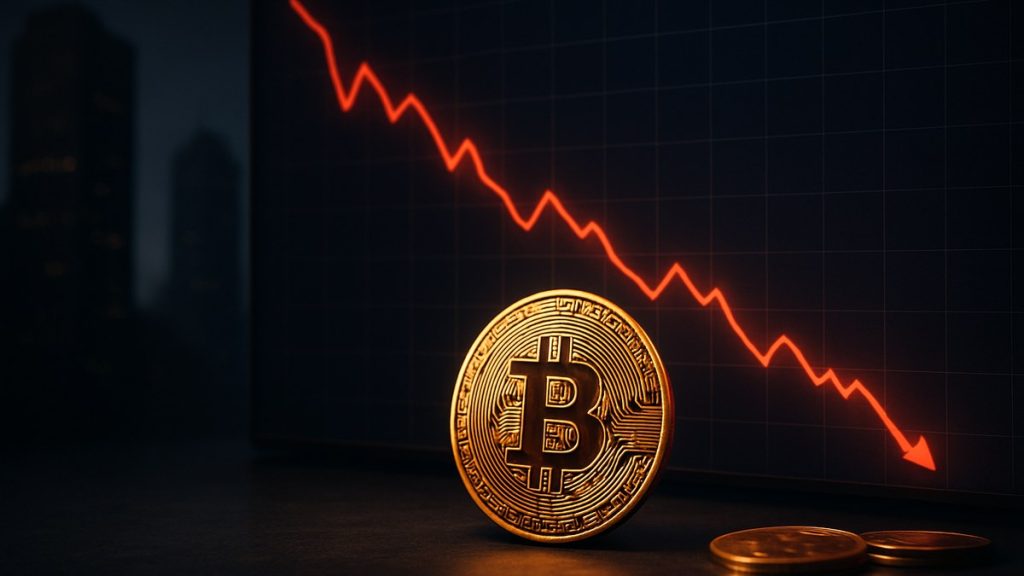
The monthly producer price increases reported were the highest since March 2022, which, coupled with elevated consumer inflation data released earlier, intensified concerns regarding the Federal Reserve’s monetary policy. Analysts fear that sustained high inflation may compel the Fed to maintain elevated interest rates longer than expected, or possibly initiate another rate hike. Such conditions can diminish the appeal of volatile assets like Bitcoin as investors gravitate towards safer, interest-bearing investments.
Despite the initial downturn, Bitcoin managed to recover to around $82,000, indicating some resilience in the market. Market observers note that the previous drop below $80,000 should not be viewed as a definitive breakdown of price support.
Technical analysts suggest that the price may retest lower levels, particularly the $78,000 range. Current observations of Bitcoin’s performance also point to its 21 and 50-week exponential moving averages situated near $76,144 and $78,459, respectively, which could serve as critical support levels moving forward.
This fluctuation in Bitcoin’s price underscores the ongoing challenges posed by macroeconomic factors, particularly inflation and interest rate dynamics, in shaping the cryptocurrency landscape.
This article is not investment advice.