Recent market trends have highlighted notable shifts in the relationship between Bitcoin and traditional stock indices, particularly as political events have influenced market performance. Following the Democrats’ victory in the U.S. midterm elections, which secured their control of both the House of Representatives and the Senate, a significant sell-off was witnessed across markets, particularly in U.S. technology stocks.
The downturn prompted sharp criticism from former President Donald Trump, who attributed the plummeting stock market and the erosion of Americans’ 401(k) retirement accounts to the Democrats’ electoral success. He stated that the Democratic win was directly linked to the market’s negative response.
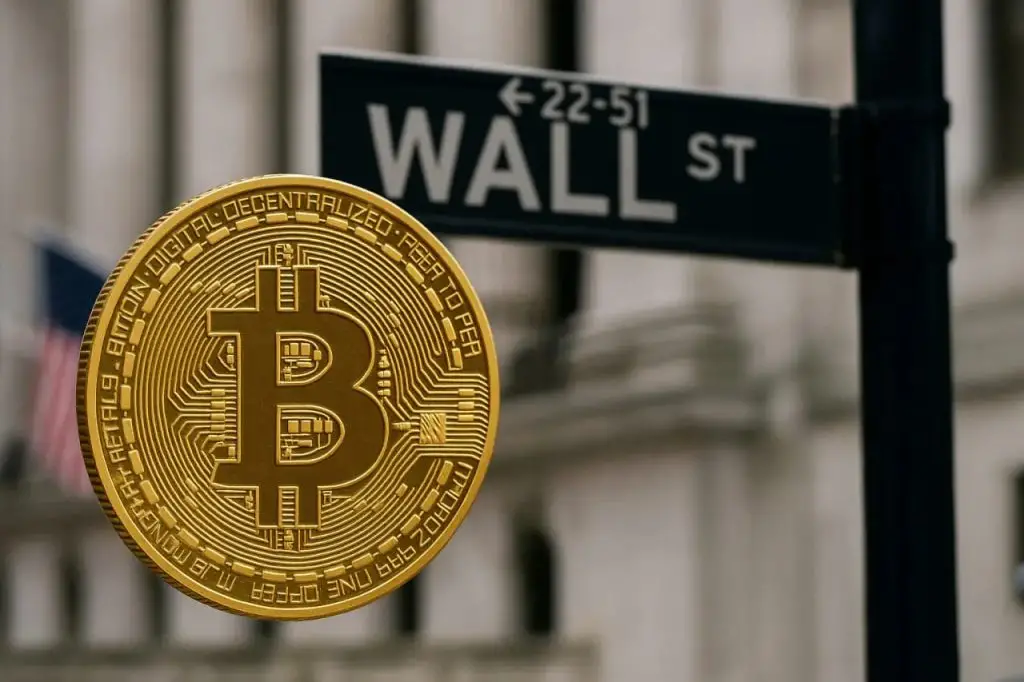
Impact on Bitcoin Amid Market Sell-Off
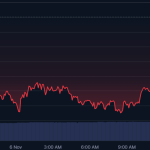
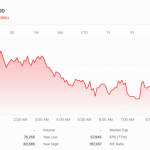
As technology stocks faced intense selling pressure, Bitcoin also experienced a downturn, falling to approximately $75,000. However, while Bitcoin’s decline was noticeable, it was not as severe as that of major tech indices, creating an extraordinary market phenomenon.
Tech Stocks Suffer Greater Losses
The U.S. stock market’s technology-heavy indices, especially the Nasdaq Composite and Nasdaq 100, sustained heavy losses. The Nasdaq Composite Index dropped by 5.5%, while the Nasdaq 100 Index saw a decline of 6.3%. On the other hand, Bitcoin’s decrease was limited to about 5%, marking a rare scenario where cryptocurrency’s decline was less pronounced than that of the stock market.
A Historical Comparison
Macroeconomic analyst Alex Krüger noted this unusual market occurrence in a recent post, indicating that it marked only the second time in history that Bitcoin saw a lesser decline compared to the Nasdaq’s significant drop. The first instance occurred on March 16, 2020, when the Nasdaq 100 fell by 12% while Bitcoin’s value decreased by 10.6%. In the recent market movement on November 5, 2026, as the Nasdaq 100 fell by 6.4%, Bitcoin’s drop was limited to 5.3%.
This pattern showcases a potential decoupling of Bitcoin from the traditional stock market, a development that investors and analysts will likely continue to monitor closely.
Note: This analysis does not constitute investment advice.